Outside of “Blue Monday” being Orgy’s universally acknowledged claim to fame, the band very rarely come up in music discourse. There’s obviously good reason for that; the band fell into the NU-metal whirlpool at the height of the genre’s popularity and were quicky chewed out with the slew of other bands clambering to make a decent name for themselves. Unlike most bands in that scene though, I always lamented the unharnessed potential Orgy wielded in the early noughties. Candyass and Vapour Transmission were really solid albums, and, while far from perfect, demonstrated a competent blend of NU-metal and industrial in a way that gave them an edge over their peers – their own inimitable identity. Unfortunately, the band were never able to make that potential truly flourish, as their third album, Punk Statik Paranoia, sealed their own demise (at least until their return in 2015). It was a record that stripped the band of their fundamental qualities in favour of derivative trend chasing, which ultimately finished the band off in the process.
Since their return in 2015, the band have followed suit in a way that feels as though they never really left or learned from their previous shortcomings – that glaring wound of unfettered, untouched potential staring back at me as they bleed generic dance beats and vapid pop melodies into my ears. This new single, “Empty”, stays the course in this vein, vomiting autotune and scintillatingly optimistic electronics with the only consistent thing…
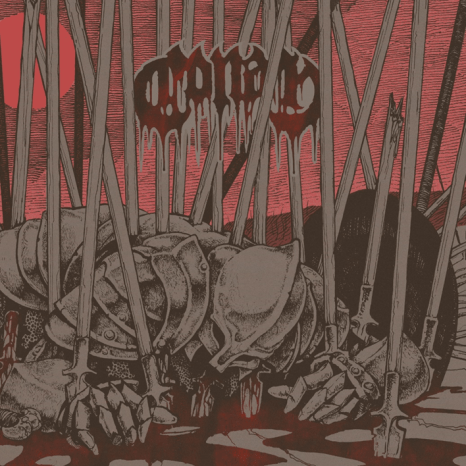
With the release of their fifth full-length instalment, one thing about Conan is abundantly clear: It exists as a powerhouse of doom metal that embodies a distinct stubbornness. A stubbornness almost equalling the unstoppable forces of geology which created our very existence. Evidence of Immortality exhibits the staunch refusal of Conan to let the quality of their music slip below the commendable standard fans have come to expect. Containing monumental, crushing doom riffs, faster, more bellicose sludge passages and a desperate sense of mounting tension, this album can be considered somewhat a summary of the material comprising the preceding four albums all neatly packaged into an incredibly satisfying 50 minutes of apocalyptic doom metal bliss. Get comfortable and whack that volume up!
Immediately, the humongous opener “A Cleaved Head No Longer Plots” fast-forwards a simulation of the formation of Pangaea (a supercontinent which began to break up again roughly 200 million years ago at the start of the Jurassic period to form the arrangement of continents we know today). The robust sound dominating the album is impressive for a three-piece and atmospherically speaking, the sense of foreboding projected is nothing short of remarkable. The listener is transported to a medieval and geological war zone where all hope for survival rapidly evaporates. It’s just a question of whether you will succumb to a horrific wound from Jon Davis’ battle axe or if you’ll be swallowed whole by the…
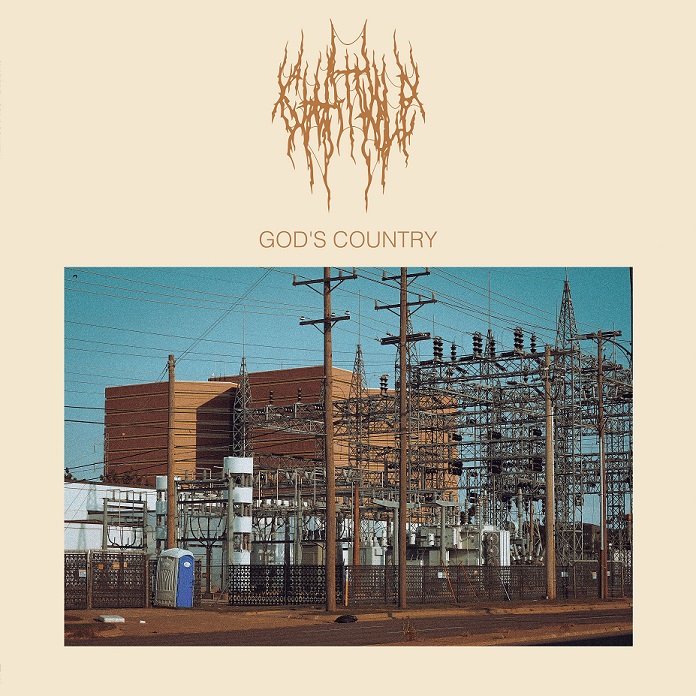
A mere three days before the end of July, Chat Pile’s debut release became available to the masses after having been the subject of much hype. After the initial listen, God’s Country leaves one feeling like a corkscrew has been inserted into each ear and violently twisted. What has one just experienced? The answer, a savagely exasperated assault on a broken western society, transported to the ear canals with unprecedented levels of rage. While lyrical content concerning the failings of society is a well-trodden path with each new endeavour having potential to project yet another rehashed and redundant message, God’s Country does anything but.
You might ask what prevented God’s Country from falling into the rehash trap. It all comes down to the earnestness with which the message is delivered – no generic “fuck the government” material can be found here. Vocalist Raygun Busch launches a wide-ranged and carefully calculated attack on several aspects of modern American society which is both unapologetically scathing and depressingly accurate with its content. Amongst the themes of homelessness, mass meat production and the disgraceful condition of the environment are pockets of truly harrowing material in relation to the ongoing mental health crisis but rather than giving off the impression of wallowing, the overall message is one of downright rage, giving the record authenticity and ultimately, lyrical relevance.
While there is nothing overly complex musically speaking, the genre-fusion on offer…
During the early ‘10s I went through a phase of listening to a lot of tech-metal, but there was one band in particular that really apprehended my intrigue. That band was Cyclamen, masterminded by one man, Hayato Imanishi. What impressed me back then and even more to this day, is that he lives his life on pushing boundaries for both himself and the music he makes; for a guy that can shred on the guitar with ferocious virtuosity, it’s somewhat refreshing to hear him humbly talk about always improving. Between 2010 and 2015, Cyclamen became a driving force in the scene, with extensive touring and steadfast recorded output – all managed solely by Hayato while he organised events for bands like Dillinger Escape Plan in Japan. However, after Amida’s release in 2018, things got steadily quieter. This year Hayato announced that he was going to sell the ownership of all his works, including the much-revered Cyclamen tracks that have been released over the years.
After reading the post with a small amount of shock, I reached out for an interview, not just to get a better understanding of why he was selling the rights to his labours, but just on where the band is at this point, and where Hayato intends to go artistically moving forward. After kindly accepting, I caught up with him while he was back in Japan helping his sister, to talk about the music industry’s business model, getting a buzz from complete…
Of all the bands I love, Artificial Brain is the one that has taken me the longest to wrap my head around. As someone who prefers the more freewheeling skronkfests of avant-garde death metal, Artificial Brain’s steadier, more nuanced approach to the genre was lost on me. Yet it always felt like I was missing something obvious with the band, like a lost puzzle piece smothered between couch cushions. When premier single “Celestial Cyst” dropped, I had an epiphany: Artificial Brain are playing at a scale far beyond human comprehension. The band’s music feels like depicting galactic warfare, but there’s no glory found in the destruction. Its view is a top-down perspective, where fiery explosions appear as minor blips, and all that’s left to do is pray for the loss of life both corporeal and mechanical.
Examining their album covers gives clues to how their world building manifests sonically. Labyrinth Constellation’s grimy robotic skirmish on floating rocks is a perfect representation of Artificial Brain’s hectic yet laser-focused songwriting; it’s as fully realized a debut as you can find. Infrared Horizon depicts the aftermath with a robot cradling the decapitated friend of the same model, foreshadowing the black metal influence creeping forward. For their newest record, depicted with a rusted spider mech covered in moss, the production has gotten a lot murkier and muddier than previous outings. While it might not have the same frayed electrical…
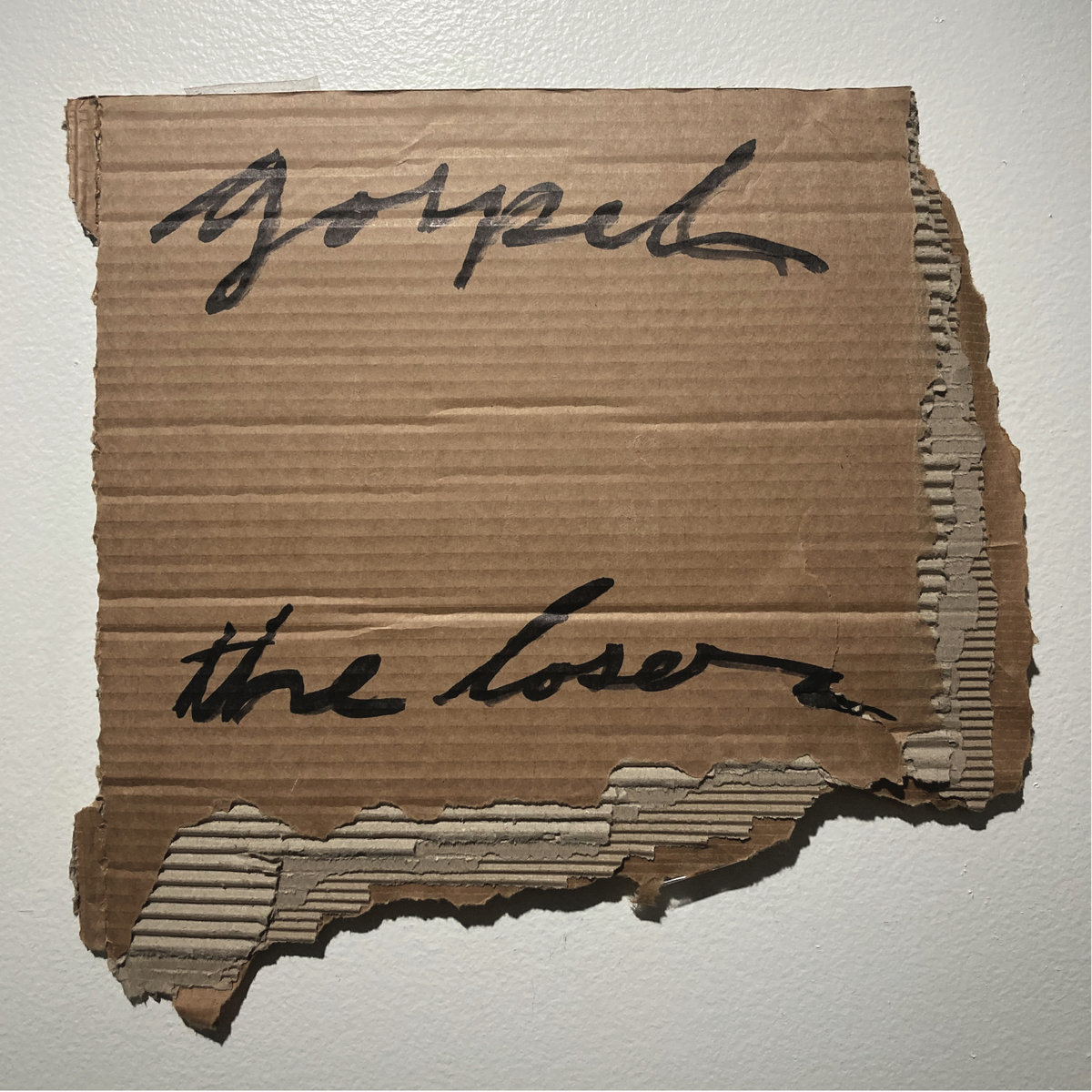
There was never an intense desire for The Moon is a Dead World to finally have a sequel. In the realm of screamo or screamo-adjacent music, one-offs are par for the course, with the genre littered with classics delivered by groups that endured for a handful of years at best. These titans gradually generate their own mythology, and they transform into stories told ‘round the campfire by weathered stalwarts—tales of triumph we must strive to recreate. Of all those predecessors, however, it can be reasonably asserted that Moon was the most irreplicable of them all. The scene at large didn’t dare to take a stab at it; observing the trajectory of Gospel’s associated music influences reveals how few, if any, tried to capitalize off their work. It was equal parts the daunting critical reception, the eclectic grab-bag of genres, and the stunning musicianship required to tie it all together. It’s not likely for that drumming performance to reappear, nor is it probable for progressive rock sensibilities and keyboards to reunite in a category seemingly adverse to them.
Who else to perform Gospel again than, well, Gospel themselves? From the obscurity they once disappeared to, they decided to return in what could be the most shocking comeback witnessed in the industry. It’s impressive not only for the absurd waiting period between releases, but also due to its quality; The…
“In typical fashion,” a phrase synonymous with Tool and one you’ll be reading a couple of times during this review.
Seventeen years ago, an ex-girlfriend of mine handed me a copy of Ænima and told me to listen to it. At the time, my very limited music taste hadn’t stepped outside of the realm of NU-metal, American Alt-rock/metal, and sporadic classic rock bands, but the seeds from that album would be well and truly planted for what would become a total obsession a couple of years later. With the exception of maybe Linkin Park and DIR EN GREY, I haven’t poured so many hours into a band. Justin Chancellor was a monolith for developing my own bass playing; a player who encouraged people to disregard this dichotomy people had with playing a certain way. Their enigmatic disposition, avoiding the spotlight and being as contrarian as possible only stood to bolster my obsession for the band, and by 2010 my fascination for the band was at its apex.
However, by 2013, with a lack of new material and the constant delays with making what would become Fear Inoculum, as well as never doing their own tours – only doing the odd festival (something I’ve never enjoyed going to) I never got to see them live – I eventually began to lose interest in the band and move my interests elsewhere. By the time Fear Inoculum came out, I was so indifferent to its release, given how much time had passed since…
I’ve seen HEALTH on several occasions over the years, and even though their stage production is likely restrained by austere limitations when compared to the band playing in a high-end venue in a capital city, or one of their shows in the States, they’ve always been able to blow it out of the water – no matter where they are playing. Indeed, The White Hotel in Salford is probably the most austere venue I’ve seen them playing in; a venue that literally looks like it was converted from a car garage into a music venue. A solid bare-brick-walled room with a towering PA system and a little stage in the corner. The room was pitch black, bar the slender beams of blue and red stage lighting breaking through the dense darkness and waves of stage smoke, while Max Payne 3’s most poignant track “Pain” played in the background before the band came onto the stage.
One thing that should be mentioned is that HEALTH approach their shows slightly differently to the myriad of other bands I’ve seen over the years. For these guys it’s clear, first and foremost, the music is paramount. That’s not to disparage other artists who perform live, but there’s a brazen and abrupt way to how HEALTH perform live. There’s no banter – bar the quick sentence Jake gets in halfway through the set, thanking everyone who came out to see them play – and most welcoming of all, they never do encores and haven’t done…
It’s 4:30pm on a dull, grey Tuesday afternoon in Manchester. The band have just arrived at their next gig, The White House in Salford; a music venue arbitrarily situated in an industrial estate just on the outer rim of the city. It begins to rain as I stand in the doorway of the club, staring at the factory buildings in the distance as they pump out light hues of smoke from their tall chimneys – towering over mesh fences and brick walls laced in barbed wire, with broken glass scattered all over the dilapidated roads. I chuckle over how perfectly this environment encapsulates the band’s image. John Famiglietti approaches me with his typically jovial disposition and asks if I want a beer while they get ready for soundcheck. The band are slightly jetlagged from their flight a day or so ago, but they’re in good spirits as they titter and jest over various things whilst setting up their equipment. Shortly after, as with my own assessment of the area, the band’s guitarist and singer, Jake Duzsik, gleams “this place is so Manchester, I love it!” For those who have felt the post-punk undertones (Joy Division, New Order) in the band’s works, talking to Jake affirms that influence, as it’s clear he has a huge amount of reverence for this city – which is largely down to the pantheon of incredibly important bands who spearheaded the post-punk movement in the 80s. After a little small talk about how the tour…
Denzel Curry’s work has always been a bridge between the old and the new, between the precise cuttings inherited from his influences and the exuberant energy of his contemporaries. It resulted in highly conceptual albums that also worked on a purely anthemic level. Now, Curry is ready to slow down. Ditching most of the roaring basslines and dynamic 808s to favor softer and jazzier hip-hop, Melt My Eyez, See Your Future is the rapper’s most suave album. Not that it induces somnolence, but rather that the Floridian’s other influences are more strongly felt than before: you can hear jazz, R&B, funk, soul, and even a bit of that punk energy Curry has always had.
And while some might regret the absence of a banger like “Ultimate” or “Ricky,” it’s gratifying to see Curry’s personal growth reflect his artistic maturation. The album ends with “The Ills”, where he states how his introspection drives him to take bold creative steps. It’s a powerful final thesis, illustrating why Denzel Curry felt it was time for him to take a new direction. He remains true to himself but still dares to venture into different spaces – proving that he is indeed the most artistically interesting Southern rapper these days. He constantly tests himself, opens up his possibilities, and manages to raise the bar with every album. Whether Melt My Eyez, See Your Future will be his definitive…
It was only through watching the bland music video to Red Hot Chili Peppers’ new single, “Black Summer”, that I remembered John Frusciante had rejoined the band (again). The results are pretty evident of this reformation as well, because let’s be honest here – the band haven’t written a great song with Frusciante behind the wheel since By the Way. I know, I know, I’m probably sounding a little harsh here, but know that I don’t facetiously parade my sentiment around with no meaning behind it. It might sound like a knee-jerk reaction, but the thing is, when I realised John had returned (again), all of those emotions from Josh Klinghoffer’s firing came flooding back. The thing is, I wouldn’t even say that I’m a fan of the band – I really enjoy some of their albums, but I wouldn’t go out of my way to put one of them on – however, I can affirm one thing with certainty: The Getaway was the best thing the band had done since By the Way, and that was with the help of Josh. Yeah, I’m With You sucks, but I put that down to Josh getting a feel for his surroundings before easing himself into the writing process.
So, it goes without saying that I was a little disappointed Josh had been ripped from the band at a pivotal point in his tenure, as we could have potentially seen an incline in untapped potential within the band post The Getaway,…
Where did this come from? Bad Omens – once a generic Bring Me the Horizon wannabe band – are set to drop their most ambitious album to date on February 24th; and they are poised to make, dare I say, the best core album in a very long time – if we’re judging The Death of Peace of Mind on its current string of singles. The eclectic spray of styles from this album’s line-up of promotional tracks is both eye-bulgingly impressive and exhilarating to behold. Not only is Noah taking his vocal capabilities to unprecedented levels, the band are taking their talents to new and exciting pastures. This is coming from someone who rolls his eyes at the flaccid state of metalcore, and generally avoids the style like the plague at this point. Nevertheless, I can’t help but feel a sense of overwhelming excitement for this album’s potential and the good it will bring the genre as a whole if they pull it off.
Ironically, this is probably not the best single to showcase on the Sputnik Singles series, as I would consider it to be their weakest track from the four singles released thus far, showcasing the most derivative qualities of the band. However, with all of that said, “Like a Villain” still manages to be a bloody good song in its own right. I would concede that “Like a Villain” rides dangerously close to a BMTH track from the Sempiternal era, but I still think there’s enough…
When you look at industrial as a genre, I don’t think it has an equal in terms of just how broad, vague and elusive it can be. On the one hand, the sounds pertaining to industrial are tangible, distinct, and inimitable; on the other hand, the genre has fragmented and infected so many other styles of music over the years, it gets to the point now where you wonder what prerequisites are required to even make an “authentic” industrial record anymore – if there is such a thing. I recently gave Skinny Puppy’s magnum opus Last Rights a spin; the jam had such a lasting felicity, it made me want to go through some of my favourite industrial albums again. After all, as some of you may well know, the genre is somewhat of a staple of mine, albeit one I tend to overlook these days – which is a shame, because in recent years, incidental or otherwise, industrial has been getting a resurgence that’s creeping back into the stratosphere (mainstream or otherwise) again. Bands and artists from all walks of life are implementing industrial’s cold, sterile drum snaps and dystopian electronic backdrops into their own styles of music – styles of music as far-reaching as pop, or the deepest crevasses of metal’s underbelly. So, if you’re new to this genre and you want some of my essential recommendations (for whatever they’re worth), grab a coffee and dive into the disparate world of industrial with the Doctor.…
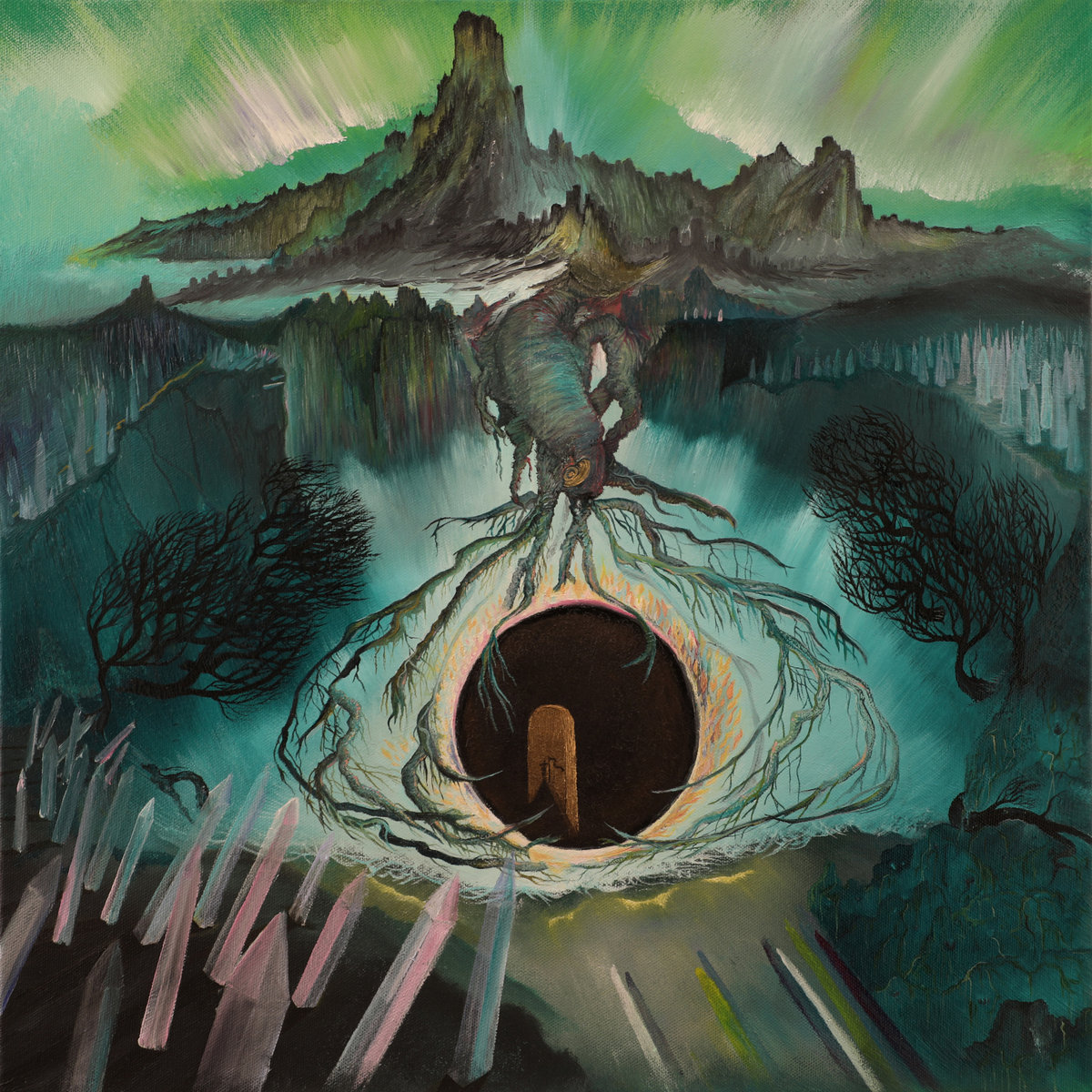
Kayo Dot – Moss Grew on the Swords and Plowshares Alike
Kayo Dot’s 10th LP, Moss Grew on the Swords and Plowshares Alike, is one more proof that Toby Driver’s genius is, fortunately, still with us. His borderless brand of experimental and progressive metal invites 80s synth music and post-punk/gothic vibes this time in this uniquely brilliant record. Moss Grew on the Swords and Plowshares Alike is a sonic voyage that reflects upon the pagan mind’s cyclic vision of the world with great charisma and emotion. For this task Toby recruited all the original members from his previous project, Maudlin of the Well, which is fantastic news for all of us who held Maudlin of the Well close to our hearts. Sound wise this album sees Kayo Dot expanding their late synth-driven brand of prog metal/rock as they incorporate some new elements from 80s post-punk and gothic rock that endow the music with a unique, reflective tone that feels very fresh yet very reminiscent of the 80s rock and dark music. Imagine Rush’s Power Windows era meeting Joy Division and then add Type O Negative’s dark vibes and Ulver’s experimental approach to the mix to get an idea of what you should expect here.
Compositionally the album is very interesting. Although at first glance it may look simple, the songwriting is actually intricate and very thoughtful (as is always the case with Kayo Dot) – getting full use out of the synth as a background atmospheric…
A man had a dream where he nibbled at glory. The years went by and the man lived that glory but then left the known world. Eventually the man returned and had the wisdom of another reality. The man was rejected by his once fellow man for he had become unrecognizable to the brainwashed majority. One hundred knives met with cold direction. – Storm In A Teacup