Back in the early-to-mid 2000s, Earshot were key players in spearheading the American alt-rock movement, releasing massive hits like “Get Away”, “Not Afraid” and “Wait” respectively, with their influence and success getting them significant radio airplay, as well as being featured on a number of video games including Madden ’05, MX vs. ATV Unleashed, and Project Gotham Racing 2. However, despite all the success of 2002’s Letting Go and 2004’s Two, the band would go through several line-up changes and their momentum would gradually wane, not releasing their third LP, The Silver Lining, until 2008. After this, the band would recede into the shadows for over a decade, releasing only a 4-track EP in 2015 and a couple of singles during Covid. Thankfully, all of that is about to change: with a brand-new line-up that includes ex-Breaking Benjamin guitarist, Aaron Fink, Earshot are set to make a massive comeback in 2025 with their first new album in 17 years. The band’s first single “Where Were You?” recently dropped to a strong reception from fans, and the band are currently in the throes of planning their next moves. I recently caught up with the band’s founding member and frontman, Wil Martin, who candidly discusses the band’s history, its tribulations, and the bright future that lies ahead of them, so I hope you enjoy it. (Please note: the transcript from this interview was edited and some of the wording changed for a more concise reading experience. For the definitive version of this…
Author Archive
7 Comments
For any Sputnik regulars that have interacted with me in the thirteen years I’ve been on this site, you may already know that I play the bass and have done for nearly twenty years. So with that context in mind, for no reason at all, I woke up this morning and decided I wanted to pick out a bunch of tracks I think have awesome basslines. The criteria for the chosen ten songs on this list is rather arbitrary, but essentially the main purpose is to highlight some subtle (and not-so-subtle) basslines that aren’t immediate if you’re not a bass player yourself, maybe prompting you to listen to these songs and hearing the magic unfold within them from that perspective. Maybe you’ll even listen to them and never again be able to look at them the same way. After all, that is the beauty of the bass guitar – an instrument that has been treated rather thanklessly throughout history, but is nevertheless an essential ingredient needed to make a good song even better. With that, I hope you enjoy the playlist I’ve created and my thoughts on these fantastic songs. Jennifer Paige
Let me tell you, as a guy riding hard in his 30s, basslines in pop tracks tend to have some of the best grooves you’ll ever hear. Of course, when you’re an impressionable teenage contrarian, or a knuckle-dragger in your early 20s like I was, looking for edgy NU-metal angst, putting-the-world-to-rights… Previous Diagnoses: Paradise Lost|Primus|Faith No More|Paramore|HEALTH|Dir En Grey|Mc Ren|Black Light Burns|Shellac|Nickelback|Daft Punk|Nathanael Larochette|My Epic|Earshot|
Band/Artist: Earshot Origins: Los Angeles, California Founded: 1999 Members: Current Members: Wil Martin – vocals (1999–2010, 2014–present) Andy Stafford – guitar (2020–present) John Novak – bass (2020–present) Mike Sylvia – drums (2020–present) Aaron Fink – guitar (2020–present) Previous Members: Guy Couturier – bass (1999–2000) Johnny Sprague – bass (2000–2005) Billy Blair – bass (2005–2009) “Rooster” – bass (2009–2010) Scott Kohler – guitar (1999–2009) Mike Callahan – guitar (1999–2005) Travis Arnold – guitar (2005–2009) Chris Loveless – guitar (2009–2010) Josh Guinn – guitar (2009–2010) Todd Wyatt – drums (1999–2003) Chas Stumbo – drums (2003–2005) Darren Pfeifer – drums (2005–2010) Studio albums: 3 Active: Yes Welcome, denizens, to the fourteenth edition(!) of A diagnosis from a (faux) Doctor. Today’s examination is going to be a bit of a nostalgia trip, walking back into a liminal period where you crippled the family computer downloading music off Limewire after discovering a choice band you discovered playing a video game. In the case of Earshot, like the vast majority of us, I discovered this LA-based rock unit playing the classic Madden game: Madden… As someone who was mercilessly ribbed for liking NU-metal at the height of its popularity in the late 90s and early-to-mid 00s, as well as Limp Bizkit themselves being one of the main punching bags for the movement, it’s somewhat bizarre and vindicating to see Limp Bizkit being one of the most revered live metal acts in the industry today. The funny thing is, even with the vitriol for the band at the time, my friends would haughtily dump on the band whilst occasionally letting out a gritted-teeth concession that they hate them, but “Break Stuff” is pretty “fun”. All of this cognitive dissonance and tribal nonsense out of the equation though, Limp Bizkit have always been a very talented band, with an unbelievable set of musicians making memorable songs with gargantuan payoffs, and a charismatic frontman who’s able to bring it all together. It’s this dynamic and chemistry that has, ironically, galvanised their sustainability and relevance for over thirty years, where other “more respected” bands in rock and metal have long since capitulated and fallen into the void of irrelevance. One of the main reasons for Limp Bizkit’s success, outside of their arsenal of classic tracks, is their reputation for putting on incredible live shows. Despite loving their music for almost two-and-a-half decades, I’d never actually seen them perform live, which, getting straight to the point, they didn’t disappoint. One of the most alluring qualities was Fred Durst himself, who was once known for being the infamous, edgy…
Peter Connelly is one of my most revered composers, not only for being involved in some of my all-time favourite games growing up, but because the music he created for those games expanded upon Nathan McCree’s iconic formula for Tomb Raider in a way that made it, arguably, better. By the time Connelly came in to compose the scores for Tomb Raider’s 4-6, the direction taken amped up the sombre sophistication and exotic, Bondian-esque string arrangements to match the darker, more serious tone the series was heading in at the time. So, in light of the release of Tomb Raider IV-VI remaster, which came out a couple weeks ago, I thought it was a good time to catch up with the man responsible for the scores to these classic games. As an established composer, what was your musical upbringing like? It was relatively normal but I was always fascinated by music and musical instruments. My father introduced me to Burt Bacharach at a very early age and I was obsessed with Burt’s music, melodies, his approach to music and his arrangements, so much I remember wishing that, one day, I could also be writing for an orchestra. I’ve not heard a Bacharach song since I was a kid, what a blast from the past. Bacharach’s known for so many catchy classic songs. His compositional style has a rich network of emotions, layered with a lot going on if you dig into a song, but there’s something immediately alluring and easy-going about… Lo, it’s back! Embrace the warm bosom of Sputnik Singles and be a valued participant in deciding what sucks and what doesn’t. Today’s track, fresh out of the oven, comes from NU-metal titans, Disturbed, who have dropped their first new song in nearly three years. So wrap those headphones around your ears and lets decide if it’s shite or not. For me, I’ll be honest; I’ve not listened to a Disturbed record since subjecting myself to their disastrous seventh album in 2018, ironically titled Evolution. To be clear – I’ve never been a huge fan of the band, but I’ll concede I enjoy a lot of their songs in a throwaway fashion. Draiman is a solid singer who brings this Iron Maiden-esque bravado to their music, crafting these claustrophobic verses and detonating them into an apodictic tension-releasing chorus of soaring earworm melodies and chubby guitar riffs. Of course, they’ve not been able to do this to the same effect since 2008’s Indestructible, with albums getting progressively more lifeless and rudimentary. By the time Evolution came into being, they’d managed to strip all of their gusto away for piss-weak rock songs with none of the distinction behind them. After skimming through their 2022 album, Divisive, for this review, the issues carry over from Evolution but the problems are nowhere near as prevalent, and as a result make the record feel more forgettable than bad. So where does that leave “I Will Not Break”? Well, it has that modern day… Previous Diagnoses: Paradise Lost|Primus|Faith No More|Paramore|HEALTH|Dir En Grey|Mc Ren|Black Light Burns|Shellac|Nickelback|Daft Punk|Nathanael Larochette|My Epic|
Origins: Charlotte, North Carolina Founded: 2005 Current Members: Aaron Stone – vocals, guitar Tanner Morita – bass, guitar, keyboard, backing vocals Nate Washburn – guitars Previous Members: Jeremiah Austin – bass “Cousin” Matt Doran – drums Jesse Stone – drums, backing vocals Studio albums: 4 Active: Yes Welcome denizens of Sputnik and welcome to the thirteenth edition of A diagnosis from a (faux) Doctor. Today’s medical examination is going to be on Charlotte, North Carolinians, My Epic. I’ve been going through a renaissance of sorts with the band and have been fervently playing their discography on the regular the last couple months now. As such, I thought it would be good to analyse their work as it’s really surprised me. I was always a lover of Behold and thought Yet was a great album, but I didn’t fully grasp the extent of their talents. As we shall touch on, this is primarily down to the fact I don’t gravitate towards extended plays – something the band has solely focused on for the last decade now, until only recently breaking the cycle with their 2024 album, Loriella. However, my eyes are open and I feel My Epic deserve to be in this series where, hopefully, people who… Previous Diagnoses: Paradise Lost|Primus|Faith No More|Paramore|HEALTH|Dir En Grey|Mc Ren|Black Light Burns|Shellac|Nickelback|Daft Punk
Artist: Nathanael Larochette Origins: Ottawa, Canada Active: Yes For people well-versed and passionate about their music, they will understand where I’m coming from and relate to the cathartic kick that comes from supporting your favourite “underground” artists. Hell, it’s this passion for supporting great independent acts that creates terms like “trve” black metal, or having breakout bands having “sellout” hurled their way when they attain wider appeal and success. There is some satisfaction to be had in enjoying and supporting smaller acts as it creates a more intimate relationship between the fan and the artist – like a secret club the Radio One-chomping-masses aren’t privy to. However, in some cases, there is a level of frustration that comes from certain bands and artists not receiving the recognition they rightfully deserve. One such case, in my opinion, is multi-instrumentalist, composer and producer, Nathanael Larochette. While he has many amazing achievements and accolades under his belt, and a thriving following for his many projects, when you listen to the sheer quality and lateral thinking that comes from some of the albums he’s produced and been involved with, it’s bewildering to me his name and accomplishments aren’t as well-known as they should be. And so, for this addition of A Diagnosis from a (Faux) Doctor, I thought I’d do something a little bit different and cover… Previous Diagnoses: Paradise Lost|Primus|Faith No More|Paramore|HEALTH|Dir En Grey|Mc Ren|Black Light Burns|Shellac|Nickelback
Band/Artist: Daft Punk Origins: Paris, France Founded: 1993 Members: Thomas Bangalter Guy-Manuel de Homem-Christo Studio albums: 4 Active: No In a lot of ways, I regard Daft Punk the Tool of their respective field. What I mean by that is, in terms of how they created and released music, it was always an event in the industry – as if the world stopped turning for a brief moment so all eyes could be locked onto what they were doing. That’s because, like Tool, they carved out a venerable reputation for themselves that was known for innovation and quality, with their meagre catalogue of music only adding to the fervent demand for more of it. When they released an album you knew, the wait was worth it. Daft Punk formed in Paris in 1993, however it would take four years before the enigmatic duo would release Homework, a trend that would follow suit for the two albums that succeeded the 1997 debut, followed by an eight year wait for their ambitious final record, Random Access Memories. Similarities in a lean catalogue aside, at one point both acts sold fans an enigmatic mystique that made their image and music all the more alluring.…
With the recent announcement of Linkin Park’s return, there has been heated debate on whether Mike Shinoda should have brought the band back after Chester Bennington’s untimely death in 2017. I fall on the side of fervently abhorring the decision, and as the weeks have trickled past since their proclamation of return, it’s got me thinking about a few things, most prominently: what makes a band? So folks, not a single person has asked for it, but this is something that has been passionately eating away at me since it was announced, so you’re getting pinned down like Alex from A Clockwork Orange and having my two-cents shovelled into your mouth, whether you agree with it or not. What is a band? Before I talk about The Linkin Park Conundrum, I want to take it back a bit and define what a band is. The most elemental description of a band is a group of like-minded individuals – typically friends starting out – who want to make music they enjoy listening to. It’s a collection of individuals who come together with the common interest of creating music; each member picks a role, be it singing or playing one or more instruments, and they set out to make music. Outside of this simple materialistic description, there are two other important factors I think define a band. This is the value an individual brings, and the band’s chemistry. Value Value comes from each member of the band – a… Sput has had a Youtube channel for nearly 4 years! Feel like I don’t do enough to plug it and make people aware we have one, exacerbated by the fact there’s an inconsistent flow of content on there. Anyway, I saw Wormrot last night at Barrow-In-Furness’ Funeral Fest 2024 and they were excellent; here’s some footage from their face-melting set. Shock-horror, the drummer is fucking insane and their set was a nice balance of old and new stuff. Follow the channel, and if you’ve got any ideas for content on there, I’m more than open to hearing suggestions.
The Ferret in Preston is a venue very close to my heart, as I’ve played there a few times in various bands over the years. However, I hadn’t been to Preston for quite some time and obviously didn’t know what The Ferret was actually like since the last time I had been there (about a decade ago). When I walked in, the place was exactly how I had remembered it being, only now the vibes were even better. The stage had been moved to the opposite end of the room, with a really eye-catching neon “The Ferret” sign adorning the back wall of the stage, as well as some moody red lighting which receded the room’s dominating darkness. The first act of the night was Fuck Money – a band I knew by name but hadn’t actually had chance to check them out before seeing the show. Four guys walked onto the stage, with the band’s frontman – a towering, intimidating figure (he’s actually a really nice guy) sporting a striking mouth grill, suited out in a black boiler suit with their logo and some black face paint. Immediately, the band grabbed the audience with their ferocious blend of hardcore, punk, and noise rock. The musicianship was excellent, with bassist Jeremy Humphries in particular really catching my eye with his blistering down stroke technique, but as a whole the band were supremely tight and the songs were concise and engaging to listen to and watch. TaSzlin kept the energy up… Previous Diagnoses: Paradise Lost|Primus|Faith No More|Paramore|HEALTH|Dir En Grey|Mc Ren|Black Light Burns|Shellac
Band/Artist: Nickelback Origins: Hanna, Alberta, Canada Founded: 1995 Members: Current members: Chad Kroeger – lead vocals, lead guitar (1995–present) Ryan Peake – rhythm guitar, keyboards, backing vocals (1995–present) Mike Kroeger – bass (1995–present) Daniel Adair – drums, percussion, backing vocals (2005–present) Former members: Brandon Kroeger – drums (1995–1997) Mitch Guindon – drums (1997–1998) Ryan Vikedal – drums, percussion (1998–2005) Studio albums: 10 Active: Yes Are Nickelback the Kings of buttrock? For this edition of the Doctor’s Diagnosis series, I thought I’d give things a little shake up and throw myself out of the comfort zone. Thus far, the artists I’ve covered are both well-respected in their respective fields, and they only have a couple of blunders at worst in their back pocket. With that in mind, I felt it was time to tackle a genre I’m not particularly thrilled about and double down still on a band I have relative ambivalence for. Why? Well Nickelback are a curious case, gaining momentum with their third album Silver Side Up and peaking mainstream success with All the Right Reasons, albeit quickly garnering an ire so intense it became a cultural movement. Was the hatred warranted? That’s what the Doctor is here to find out – so, Nickelback, it’s time to spread ‘em… Previous Diagnoses: Paradise Lost|Primus|Faith No More|Paramore|HEALTH|Dir En Grey|Mc Ren|Black Light Burns
Band/Artist: Shellac Origins: Chicago, Illinois, United States Founded: 1992 Members: Todd Trainer – Drums, Vocals Studio albums: 5 (soon to be 6) Active: Yes Sample: Here Has there ever been a more distinct guitar tone? Welcome, denizens of Sputnik, to the ninth edition of the Doctor’s ‘Diagnosis Series’, where I go through a band or artist’s catalogue of music and analysis the core strengths and weaknesses found within their recorded works. Shellac recently announced their first new album in ten bloody years, so I felt it was an auspicious time to run through the trio’s work, which sprawls over three decades. So, sit in the waiting room for a minute and grab a coffee while I get my coat, stereoscope and gloves to run through this bitch. At Action Park (1994)
The Doctor’s rating: 4/5 Analysis: Named after the infamous theme park in Vernon, New Jersey, where at least six people were known to have died as a result of the park’s negligence and failure to follow health and safety regulations, Shellac’s 1994 debut sets the groundwork for their illustrious future. Being that this band is one third Steve Albini, you can only imagine the abrasive… Previous Diagnoses: Paradise Lost|Primus|Faith No More|Paramore|HEALTH|Dir En Grey|Mc Ren Good day denizens of Sputnik and welcome to today’s edition of the Doctor’s diagnosis series, where I take on a band or artist’s studio recordings and formulate a comprehensive diagnosis by looking at the artist in question’s simmering highs and disappointing lows. On this eighth instalment, I will be putting on my latex gloves and analysing the mighty Riff Lord Wes Borland and his seminal project, Black Light Burns – a scintillating artistic affirmation that has only spawned three records and a compilation album hitherto, but has left a lasting resonance. So, join me while I grab my stethoscope and go over the Black Light Burns catalogue.
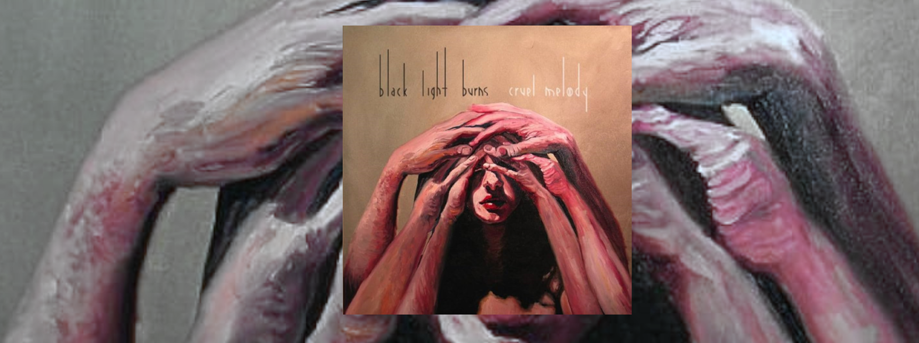
Band/Artist: Black Light Burns Origins: Los Angeles, California, USA Founded: 2005 Current Members: Wes Borland – lead vocals, guitars, bass, keyboards, synthesizers, programming (2005-Present) Previous members: Nick Annis – guitar, Backing vocals (2005–2013) Danny Lohner – guitar, programming, sound design, producer (2005–2007) Josh Eustis – synths, sound design, engineering (2005–2007) Josh Freese – drums, live percussion (2005–2007) Sean Fetterman – bass (2007–2008) Marshall Kilpatric – drums, percussion (2007–2011) Dennis Sanders – bass, backup vocals (2008–2013) Dylan Taylor – drums (2012–2013) Studio albums: 3 Active: Hiatus (?) Cruel Melody (2007)
The Doctor’s Rating: 4.5/5 Analysis: Though Wes… |

|