In case you haven’t noticed: the charts are finally updated and the default year when adding new albums to the database is 2019. Sayonara, 2016!
26 entries make the cut for Q2 2019 (as always, thanks to BlushfulHippocrene, DrGonzo1937, insomniac15, manosg, Rowan5215, and verdant for pitching in!), so while I was perilously close to throwing in a power metal entry, I’ll tell you instead to check out Slavic Spirits by EABS if you want to whet your improvisational jazz whistle (the best songs run a bit long for a mixtape).
Let us know what we missed (or who you miss, because we probably miss them, too) and see you in Q3!
88-Keys f/ Mac Miller & Sia – “That’s Life” That’s Life Listen if you like: reminding yourself why life is worth living
Mac Miller’s unreleased discography may be more imposing even than his fantastic run of mixtapes and albums from 2013 until his death. Especially now there’s no new music to come, the presence of Mac’s vault attains near-mythical status among his fanbase; the tape with Madlib, Pharrell collabs, unfinished companion album to Swimming tantalisingly just out of reach. We’ll take minute-long scraps as cause for celebration. Thankfully, “That’s Life” is no scrap, rather a shining example of how to do a posthumous single with respect and taste.
88-Keys had the unenviable task to polish and clean up the raw demo known as “Benji the Dog”, which with its heartfelt performance from…
Who had a more productive and revered ten years than Kristian Matsson? The man started off the decade by earning top honors from multiple publications for his 2010 masterclass in folk, The Wild Hunt. From there, he cemented his position atop the genre with There’s No Leaving Now – a great and oft overlooked gem. Dark Bird is Home stretched his sonic boundaries, and I Love You. It’s a Fever Dream. reminded us that he never lost his touch through the aforementioned record’s experimentation. Needless to say, his legacy – at least with regard to the 2010’s – was never in doubt.
“Burden of Tomorrow” embodies everything about Mattson’s music in a tidy three and a half minute package. It’s like a spur of the moment road trip through the countryside: the deceptively complex fingerpicking and skeletal guitar-and-vocals songwriting approach feels like a refreshing breeze blowing through the open roof of a car. It’s as if that sensation, that joyous spontaneity that Matsson has become known for across the span of his career thus far, was captured in a bottle.
It’s not overly showy; it’s just Kristian’s raw, scratchy vocals atop acoustic guitar plucking – pretty standard fare by any means. What makes this track special is his delivery and the melody. He’s not an artist renowned for his hooks, but this track’s chorus is one of his very best – and the way he belts it out showcases his…
Of late, Kevin Morby has turned into a one-album-wonder for me. I got into his music with 2016’s Singing Saw, from which “Destroyer” hails, and the album is a borderline classic in my opinion. City Music and Oh My God followed in rapid succession with tepid results, failing to live up to the beauty of their predecessor. But that’s okay when we’re talking about songs of the decade, because all you have to do is get hot once – and Kevin Morby absolutely hit the nail on the head with the gorgeous, jazzy folk of “Destroyer”.
Sometimes I wonder if the song title pays homage to Destroyer the artist, because at times it sounds like it belongs on Kaputt (for those following this series — foreshadow warning!), what with its blend of atmospheric indie-folk/pop and rich, textured jazz horns. The song moves along very leisurely, Morby’s vocals floating without a care in the world atop a repetitive but elegant piano line. The turning point comes around the 2:30 mark when Morby elevates the emotion of the entire song with the line “And now I go down, towards the dirt…In which we died.” From that point on it becomes the most gorgeous, sexy, and downtempo blend of lush indie-folk and jazz, this seductive intertwining of genres that is melodically pleasing and emotionally transformative. The female backing vocals that brush up against the jazzier sections of the track are a subtle stroke of genius, added atop an already…
First thing to note: I won’t pretend to be able to analyze the hype phenomenon here (though hopefully I can offer some insight into why you might enjoy this album; at any rate, definitely give the two reviews a read). Rather, I want to delve into some specific themes that particularly endear Clairvoyant to me — its portrayals of love, spirituality, and vengeance.
The most central component of Clairvoyant is love — specifically, love without boundaries, universalized love, the sort of love that brings solidarity and acknowledgement of some shared humanity. Everyone involved in the transmission and reception of this message (i.e. the band and the listeners) is, I think, aware of the very idealized nature of such love; and to be sure, it’s never presented as anything easily attained (or even attainable at all in full). But if anything, Clairvoyant is a dogged pursuit of that ideal, a blunt confronting of the bitterness, loss and violence that inevitably precludes it. The religious allusions (often but not exclusively to Christianity), though somewhat ambiguous in attitude, lend more context to where the ethos of Clairvoyant comes from: within the album, Christianity is variously a cleansing force, a mechanism of rebirth, but also prone to corruption. “Contaminature” sings of “birdcages lined with Bible verses” — the implication could be that the desecration of the religion is a pitiable thing, but perhaps it’s a more general comment on hypocrisy in the political climate in which State Faults (who happen to be American) compose.
At any rate, the spiritual dimension of Clairvoyant is evident. The albumdoesn’t…
Here’s a list of major new releases for the week of June 28, 2019. Please feel free to request reviews for any of the following albums from staff and/or contributors.
State Faults is a band that hardly needs any introduction on this site. Coming off of a 6-year hiatus, they’ve received universal acclaim for their newest album, Clairvoyant. Lead singer and guitarist Johnny Calvert-Andrew was kind enough to correspond with me about their comeback. Enjoy, y’all.
,
Slex: First, I wanted to address the hiatus. What brought you guys back together? Is it safe to say you guys are here to stay?
Jonny Calvert-Andrew:Well we had tried a couple times getting together and playing the songs but the spark wasn’t really there. Last year Noisey published an article listing R/D as like a top ten hardcore record of the decade or something, and that got us looking around and realizing people were still listening and waiting. We each got the itch, went into the practice space again around September or October of last year and this time the spark caught flame, it felt like we were a brand new band.
S: Seeing as how you guys are a 3 piece now, how has that changed the dynamic? Did it make songwriting more difficult, or less?
JCA: It certainly changed our writing dynamic. I think it forced us to be more rhythmically interesting you know? Our older songs more or less relied on dual guitar parts for dynamics. Switching to one guitar, I had to make the riffs interesting haha. It was way more fun honestly instead of having to come up with rhythm and lead parts. This…
On the heels of 2009’s Swoon, Silversun Pickups’ trajectory over the course of the ensuing decade will depend on who you ask. There’s a lot of staunch supporters of the band’s first two albums who feel that everything they’ve done since has been varying grades of disappointing. For me, I think the band continued its ascension and peaked with 2012’s Neck of the Woods, an album that almost feels like being in a haunted house. The themes are darker, the lyrics are creepier, and there’s even song titles like “Bloody Mary.” The band really pursued its electronic ambitions here, without sacrificing too much of the raw grit that was noticeably absent on later albums like Better Nature. For me, this is the quintessential Silversun Pickups release – and from this record, “Skin Graph” stands out like no other track. It’s epic and sprawling, taking nearly half of its six minute run time to finally erupt into its long-anticipated chorus, one that is interrupted by guitar/drum interchanges that feel like a series of mini-breakdowns. Afterwards, it drifts off into ambient territory, Aubert’s wispy vocals seemingly lost in the wind before it all comes charging back on the heels of tense, swelling electric riffs that re-open the floodgates to the song’s trademark melody. Everything ratchets up a couple notches during the second lap, Aubert’s vocals sounding more urgent and frightened, the riffs louder, and the drumming more chaotic. It’s the perfect opener for any SSPU album,…
Here’s a list of major new releases for the week of June 21, 2019. Please feel free to request reviews for any of the following albums from staff and/or contributors.
– List of Releases: June 21, 2019 –
Bad Breeding: Exiled
Genre: Hardcore/Noise Rock
Label: One Little Indian
Bedouine: Bird Songs of a Killjoy
Genre: Indie-Folk
Label: Spacebomb Records
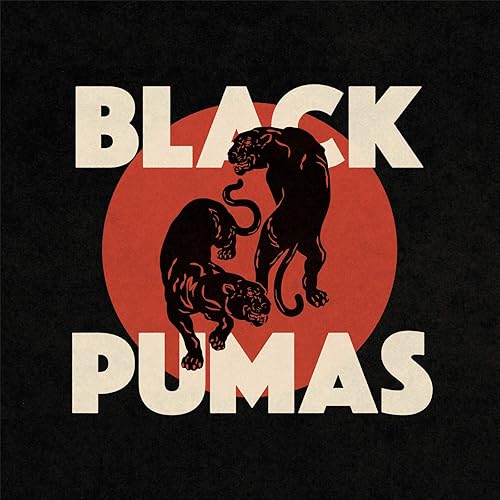
Black Pumas: Black Pumas
Genre: Alternative/Indie Rock
Label: ATO
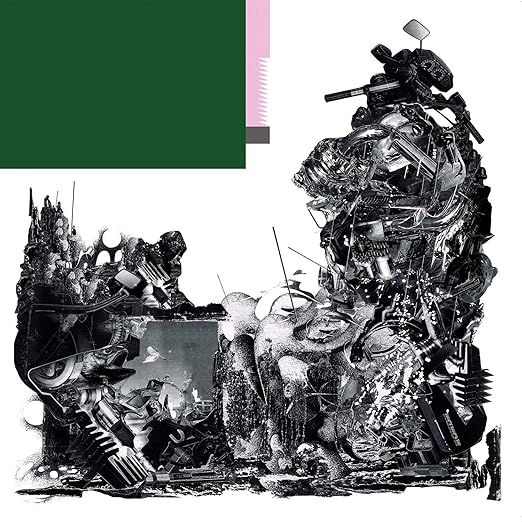
Black Midi: schlagenheim
Genre: Noise Rock/Math Rock/Experimental
Label: Rough Trade
Blick Bassy: 1958
Genre: Folk/World/Country
Label: Nø Førmat! / Tôt ou tard
Buddy & Julie Miller: Breakdown On 20th Ave. South
Genre: Country/Americana
Label: New West
For Episode 2: Electric Boogaloo of the Sputcast, join Bloon and neekafat as they talk about the new Remo Drive, the Batushka controversy, the going-ons of Sput, and other miscellaneous tangents in a leaner, meaner 43 minutes.
1) As I mentioned in my review, you guys seem to use calmer/more melodic moments differently than most heavy bands I’ve been listening to in the fact that they exist as their own movements and not just a prelude to a breakdown or climax. Was that something that was intentional, or did it come about naturally? Does that come more from an emotional place or a songwriting one?
This was intentional. Cory has been doing solo ambient performances for a long time now and has a regular gig at a yoga studio in Austin where he plays a lot of stuff similar to the movements on the album you mention. One reason they’re their own tracks is because we wanted them to serve as reflections on their he previous tracks so they sink a little more. The other reason is to break up the formulaic crescendo-based post rock structure and let the bangers be bangers and the chill pieces be chill pieces.
2) Your first album was a bit more aggressive, whereas Spotted Horse is more spacious and dense-what heralded that shift between albums? It really seems like Memorial hinted at that shift a little bit, was it a case of picking up where Memorial left off, or no?
The first record is definitely a beat down but I think Spotted Horse is actually more powerful with its use of dynamics. It lets you breathe before punching you again and I think that comes from our evolved collaboration…
Here’s a list of major new releases for the week of June 14, 2019. Please feel free to request reviews for any of the following albums from staff and/or contributors.
– List of Releases: June 14, 2019 –
Alle Farben: Sticker on My Suitcase
Genre: Pop
Label: b1
Bad Books: III
Genre: Indie-Rock/Folk
Label: Loma Vista
Baroness: Gold & Grey
Genre: Sludge/Progressive Metal
Label: Abraxan Hymns
Bastille: Doom Days
Genre: Pop/Rock
Label: Virgin Records Ltd
Ben Vince: Don’t Give Your Life
Genre: Jazz/Experimental
Label: 33 33
Bill Callahan: Shepherd in a Sheepskin Vest
Genre: Folk/Americana
Label: Drag City
Bruce Springsteen: Western Stars
Genre: Rock/Americana/Folk
Label: Columbia
Butcher The Bar: III
Genre: Indie/Alt-Rock
Label: Bobo Integral
Christopher Willits: Sunset
Genre: Electronic
Label: Ghostly International
On 2016’s Dangerous Woman, we witnessed Ariana turn a corner and hit her stride as an artist: one who became aware of her strengths and how to best utilize them. Sure, Yours Truly and My Everything demonstrated flashes of brilliance, but even those moments sounded more like question marks than resounding statements – as if Grande was testing the water to figure out which end of the pool had just the right temperature. It wasn’t until Dangerous Woman that is felt like she had it all figured out and was ready to throw everything she had at us. “Into You” represents the culmination of her songwriting maturation, and better yet, it sounds astoundingly effortless. It’s carefree reflection – a fun, flirty summer jam.
“I’m so into you I can barely breathe” is the breathy utterance that captivates us during the leading seconds of the track, and one can almost feel the sweat beading up on his/her forehead as the club begins to heat up. “Close ain’t close enough, til we’ve crossed that line” has you feeling the magnetic draw of the person dancing with you, your bodies beginning to intertwine. “Look what you started, the temperature’s rising in here…is this gonna happen?” It’s vintage Ariana, teasing us with her sultry vocals and suggestive lyrics until the upbeat chorus bursts through – “A little less conversation and a little more touch my body” – an excerpt that headlines a song destined for clubs and car rides alike. With a thumping, rhythm-drivenbackbeat, there is no shortage of danceability to…
I was late to the Tame Impala party, finally discovering them in 2017 through a co-worker who played ‘Elephant’ for me – and it blew my mind. Who were these modern Beatles, playing their psychedelic hearts out, only to an even more addicting rhythm? The sheer confidence and craftsmanship made me a fan immediately, and I proceeded to download all their other albums without so much as even giving any of their other songs a listen. There’s only a handful of songs in the last decade that have had such an effect on me – it’s something we all experience, even if rarely – and it’s a damn fine feeling when it happens.
There’s a couple points where the song elevates its game. The first is the synth break between the opening two verses, right after the whispered line (here he comes). It’s such a refreshing moment on an album otherwise mired in abstract psychedelia (the best kind, mind you), and it takes up the entire middle of the track. Speaking of which, it’s kind of a cool song structure: verse-synth breakdown-verse, with no actual “chorus” to speak of. The second moment that I love is when they come back in with that final/second verse, where they add in some well-timed yeah‘s and alter the time signature and melodic progression. It’s truly stuff of genius, yet they make it seem so easy – like they just decided mid-song to shake things up. It’s astounding execution, and…
Oh hey, 2019 represent! Sometimes a song is just too brilliant; too immediately impactful and emotionally profound to be placed on the back burner. “Don’t Settle” falls into this category – a track that defines Hansard’s superb record This Wild Willing in such a way that putting off recognition is sheer folly. This song has it all – from the sullen, Nick Cave reminiscent piano balladry early on to the brass horns that join the mix about halfway through – and then finally to the song’s emotional pinnacle and subsequent cathartic release of energy, where Hansard shouts into the surrounding emptiness like Roger Waters on ‘In The Flesh.’ It’s this transcendent moment where he doesn’t sound much like a folk artist at all…nope, two songs in to This Wild Willing, Glen Hansard is more like a modern day rock hero.
The track takes on even greater magnitude in the context of Hansard’s broader discography. Understanding that he’s been a humble folk troubadour a la Damien Rice for most of his career helps illuminate exactly why his launching into emotionally wrought shouts should hit you like a freight train. “Don’t Settle”, when it reaches this apex, is a gorgeous, epic, experimental indie-rock tour de force – and quite frankly one that came out of left field. It’s an evolution from singer-songwriter to something more along the lines of post-folk – and the aftershocks of this moment ripple throughout This Wild Willing like a rock dropped…
When you’re a well-established musician, it can be difficult to surprise listeners and achieve success at the same time. St. Vincent’s self-titled record accomplishes that feat, and it’s in no small part due to “Digital Witness” – an expansive, artful pop masterpiece.
The lyrics are a scathing indictment of “the selfie age”: I can’t show it, if you can’t see me / What’s the point of doing anything?, and the song uses just about everything in its arsenal from a sonic perspective. From the insanely infectious rhythm to the unprecedented prevalence of horns, the track immediately grabs your attention. Annie Clark’s delivery is on-point, crafting one of the catchiest choruses in her entire discography with a layered and highly addictive vocal melody. On top of that, the muted post-chorus (This is no time for confessing) adds yet another hook. Basically, “Digital Witness” comes at listeners overflowing with insanely catchy qualities – from the instrumentals to the multiple melodic hooks – and it’s all wrapped up in a tidy three and a half minute package.
When I think of 2014, there’s no song that sticks out like this uniquely rhythm-driven pop song. It’s telling that NPR ranked this as the #181 greatest song by a female or nonbinary artist in the 21st century. Annie Clark is highly deserving of such recognition, and “Digital Witness” easily belongs on this decade list.
Read more from this decade at my homepage for Sowing’s Songs





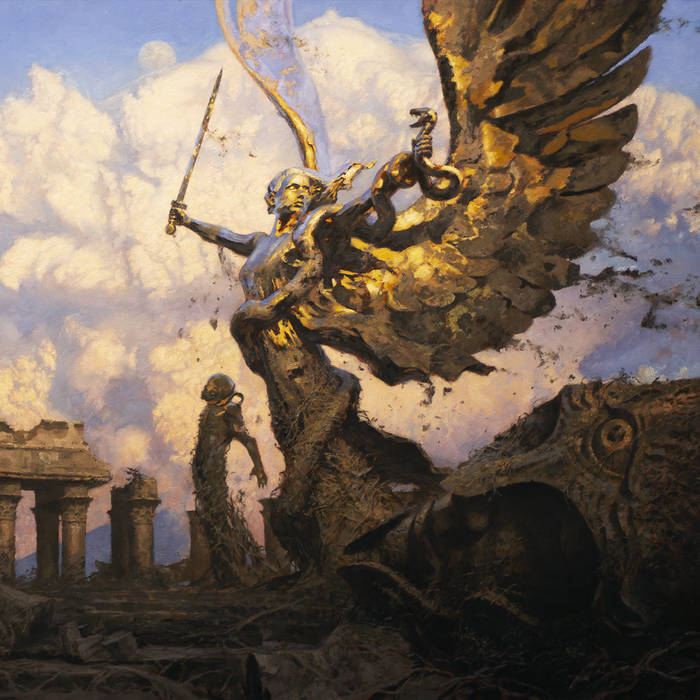

![Indigo [Explicit]](https://m.media-amazon.com/images/I/81tdZRUHQFL._SS500_.jpg)


![The Question [Explicit]](https://m.media-amazon.com/images/I/81bLpbhOxrL._SS500_.jpg)


![Stranger Songs [Explicit]](https://m.media-amazon.com/images/I/81V2NbR2duL._SS500_.jpg)

![Exiled [Explicit]](https://m.media-amazon.com/images/I/91oBwzJ2tUL._SS500_.jpg)








![Doom Days [Explicit]](https://m.media-amazon.com/images/I/81Qp2IW712L._SS500_.jpg)


![Iii [VINYL]](https://images-na.ssl-images-amazon.com/images/I/8114BdL8wTL._SX522_.jpg)



![Between Us [Explicit]](https://m.media-amazon.com/images/I/71PTtI+77NL._SS500_.jpg)