|
User
Reviews 6
Approval 93%
Soundoffs 72
Album Ratings 708
Objectivity 66%
Last Active 01-05-23 12:08 am
Joined 04-20-18
Review Comments 1,506
| For Mourning - Pt 2
Strange how a funeral can be a positive event. But, as designed, the modern funeral is a family reunion, a
Reflection of one’s life, a sermon for those moving forward, and a support construct for the bereaved. Hard to say, but in death - my Cuz brought my formerly estranged, extended family back together again. Now we all communicate with each other over text - and his children also take part in this. And we make a more coordinated effort to visit with each other, when in proximity. Below are my Cuz's favorite artists/bands. -----------------------------------------------------------------------------------------------------------------------------------------------------------------This has reminded me to finish my Death series - on how different societies in the past have respected the deceased, after death and/or burial. Several of these practices are in direct opposition to and contrary to what we (in the Western [Christian] World) would consider a proper funeral, internment, and tending of the grave. As based on the following sources: "Life After Death" by Alan Segal; "The Pagan Book of the Dead" by Claude Lecouteux; and "The History of Death" by Michael Kerrigan. | | 1 |  | Amy Grant
Greatest Hits
In Mesopotamia, relatives cared for the recently deceased. Beer, honey, bread, and water was laid out for the deceased - to sustain the departed's during their long journey to the West, where the sun sets - and where the great gates to the underworld were located. Due to fear of ghosts troubling the living; the relatives ensured that corpses were buried and tended their graves. Alternatively, if the deceased suffered a violent or unjust death, a dishonorable end, or was left for predation by scavengers; their ghost could escape the underworld and provide great harm to their living relatives. | | 2 | 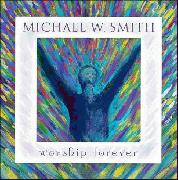 | Michael W. Smith
Worship Forever
In Canaan, the dead were first deliberately disfigured or dismembered, to render them harmless in any future hauntings, and their heads were painted with glaze. Next, the dead were buried. This was followed by a wake and commemorated with a great drinking party (a marzih). This was a cultic meal and drinking party, often including sexual entertainment. After this event, the son's duty was to support the father in his drunkenness. The dead were buried with grave goods. | | 3 | 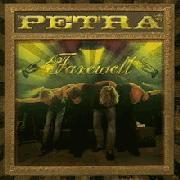 | Petra
Petra Farewell
In ancient Israel, a good death was to die at a ripe old age and be gathered to one's ancestors (i.e., merging of one's individuality with collective ancestry of the people); an untimely death was a bad death. The dead were buried, similar to Canaan, with grave goods; this was a common practice. However, contrary to Canaanite custom, there was no feasting or drinking, no sighing aloud, and no visual mourning for the dead. Death was considered punishment and the end of wedding joys. Israelites did not regularly offer food or drink to the deceased. | | 4 | 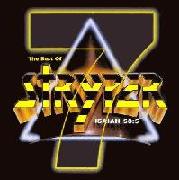 | Stryper
7: The Best of Stryper
For the Greeks, a long and honorable life was having interred one's parents beautifully, and to be beautifully interred by one's own children. Small coins were placed in corpses mouth before the funeral to cover ferry costs across the river Styx. After the funeral, offerings were made to the dead; graves were fitted with sophisticated plumbing pipes for periodic delivery of libations to the deceased's remains. | | 5 |  | Newsboys
Greatest Hits
Study of the Celts indicate that they made sacrifices (e.g., cremated slaves and clients) concurrent with select funerals. Examples include the wicker man (setting alight and sacrificing live men within an image built of limbs of interwoven branches), alter sacrifices (drenched by the blood of prisoners), and divination (consulting gods by means of human entrails; making prophesies based on death spasms). Further, the Celts would keep the heads of a deceased enemy (as the head was regarded as the seat of the human soul), out of fierce and joyful pride in victory, and to take possession of the deceased enemy's strength and warlike prowess. | | 6 |  | Audio Adrenaline
Adios: The Greatest Hits
Sacrifices - including death to slaves and/or family members - was also observed in Skandinavian cultures, as well as specific Indian casts (Santi) and in Ghana (Asanate Akrafo). These slaves/family members were believed to be an aspect of the deceased (e.g., his selfhood), when that patriarch died. | | 7 |  | Guardian
Almost Home
In Haiti, relatives pour water before the tombs of the deceased. This is believed to be an offering to the ancestors of the household - and used to secure goodwill before meeting with living members of the family. | | 8 |  | Shakira
¿Dónde Están los Ladrones?
In Benin (of Ghana), blood of the living was provided to the dead for sustenance. Oppositely, cannibals believed that eating of the dead fed back into life. | |
JDubb
01.20.25 | Know these albums don't necessarily fit with the text. But wanted to include the bands/artists my Cuz listened to. From memory, he was mostly into 80’s Christian rock. A white light he was, in comparison to my black light… | BallsToTheWall
01.21.25 | Incredible list. Death Karma based their songs on funeral
Rites | efp123
01.21.25 | The thoughts, and information here was a nice read |
|