» Edit Band Information
» Edit Albums
» Add a Review
» Add an Album
» Add News | Blue Cheer
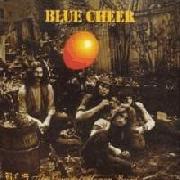
Blue Cheer was an American rock band formed in San Francisco in 1966, whose heavily amplified sound helped lay the groundwork for heavy metal. Initially a larger blues outfit, the group adopted a power trio format after seeing Jimi Hendrix perform. Its best-known early lineup consisted of bassist and vocalist Dickie Peterson, guitarist Leigh Stephens and drummer Paul Whaley. The name referred to a variety of LSD associated with the city’s psychedelic scene.
Their debut album, Vincebus Eruptum (1968), featured a radically heavier interpretation of Eddie Cochran’s Summertime Blu ...read more
Blue Cheer was an American rock band formed in San Francisco in 1966, whose heavily amplified sound helped lay the groundwork for heavy metal. Initially a larger blues outfit, the group adopted a power trio format after seeing Jimi Hendrix perform. Its best-known early lineup consisted of bassist and vocalist Dickie Peterson, guitarist Leigh Stephens and drummer Paul Whaley. The name referred to a variety of LSD associated with the city’s psychedelic scene.
Their debut album, Vincebus Eruptum (1968), featured a radically heavier interpretation of Eddie Cochran’s Summertime Blues. The single reached number 14 on the US singles chart, while the album peaked at number 11. A second album, Outsideinside, followed later that year, introducing additional studio layering and more developed arrangements while preserving the trio’s forceful playing and distorted guitar sound.
Stephens departed after the second album and was briefly replaced by Randy Holden. New! Improved! (1969) documented two different configurations: Holden’s power trio and a quartet featuring guitarist Bruce Stephens and keyboardist Ralph Burns Kellogg. Norman Mayell subsequently replaced Whaley, while Gary Lee Yoder later took over from Bruce Stephens. The albums Blue Cheer (1969), The Original Human Being (1970) and Oh! Pleasant Hope (1971) explored boogie, more relaxed blues rock, and folk and country influences.
Periods of inactivity and reunion followed during the 1970s. Blue Cheer returned to studio recording with The Beast Is Back in 1984, their first new studio album in more than a decade. Subsequent releases included the Jack Endino-produced Highlights and Lowlives (1990) and Dining With the Sharks. Peterson, Whaley and guitarist Andrew “Duck” MacDonald eventually established a lasting touring lineup, releasing What Doesn’t Kill You in 2007.
Peterson died on October 12, 2009, aged 63, bringing the band’s activity to an end. Archival releases have continued to expand its catalogue, including Junk (2025), which collected previously unreleased recordings alongside a live performance of Summertime Blues.
Blue Cheer’s signature early sound combined blues-based riffs with fuzz, feedback, forceful drumming and Peterson’s rough vocals. Extended guitar sections and the sheer weight of the amplification pushed their music toward an abrasive form of psychedelic hard rock. Peterson identified musicians including Howlin’ Wolf, Muddy Waters and John Lee Hooker as formative influences, and described physical impact as a deliberate aim. The early albums subsequently became important reference points for grunge and stoner rock. « hide |
Similar Bands: Blue Oyster Cult, Steppenwolf, MC5, Deep Purple, Sir Lord Baltimore Contributors: discovolante, Mad., arcane, rockandmetaljunkie, ratowitz, 23-inch dude, Rocksta71, The Jungler, porch, Voivod, rockandmetaljunkie, sonictheplumber,
|