Review Summary: Second wind
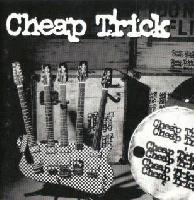
Naturally, the self-titled album by Cheap Trick is meant to signify a new beginning, and in the case of the Rockford quartet, this statement is truer than ever. This work feels like the band’s most convincing and vibrant statement in years, returning us to the electrifying edginess of their debut. The musicians have finally shaken off the fake gloss of the late eighties and early nineties that major labels had stubbornly forced upon them for years. Although the first steps toward this liberation could already be heard on
Woke Up with a Monster, it is right here that the guys returned to their very roots: loud guitars, concise chords, and melodies that get permanently stuck in your head.
The unadorned sound immediately wins you over with its spontaneity, but the main secret to success lies elsewhere – in a return to their own songwriting origins. Finally, all the material presented here is written by the musicians from start to finish (with a tiny exception), without a crowd of imposed co-writers and overseeing managers. Thanks to this, the record feels delightfully cohesive, and every track sparkles with energy that seemed to have permanently left the band’s studio sessions. The music has stopped resembling a business project; it is now pure, unadulterated pleasure in every single chord struck.
True, the opening track
Anytime might at first puzzle you with an attempt to flirt with the still-fashionable grunge style of that time. Perhaps this is the only moment where the band stumbles slightly, trying to put on someone else’s awkward costume that does not harmonize in the best way with their recognizable attire. Fortunately, what follows is sheer magic: a string of convincing tracks returns the album to the mainstream of power pop, which the band itself had avoided for a long time. The concentration of successful melodic solutions here significantly exceeds anything Cheap Trick released over the preceding decade.
Eight Miles Low reminds us right from the doorstep that the guys haven’t entirely lost their signature, biting sense of humor. The dark side of their talent, pushed into a corner in the chase for an elusive radio hit, breaks through once again via the anxious atmosphere and sharp riffs of
You Let a Lotta People Down.
Robin Zander’s vocals in
Yeah Yeah carry a forgotten anguish and piercing quality that are guaranteed to give you goosebumps. The more mature
Hard to Tell and
Wrong All Along prove that the band has grown up alongside their listeners, even when discussing the eternal themes of breakups. Well, the acoustic tracks – the soul-rending
Shelter, dedicated to departed parents, and the incredibly tender
It All Comes Back to You – win you over with absolute, ringing sincerity.
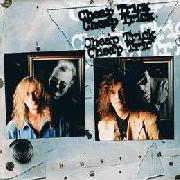
If the previous album felt like a moment of realizing a creative dead end, this self-titled work boldly claims to be a true second wind. The minimalist black-and-white cover here is not just a nostalgic reference to the past, but a sign that the musicians are hungry for good music again and full of determination. They have realized the main thing: real rock and roll has no expiration date if there is soul and craftsmanship behind it. The Rockford quartet hasn’t just returned – they are back in the game.