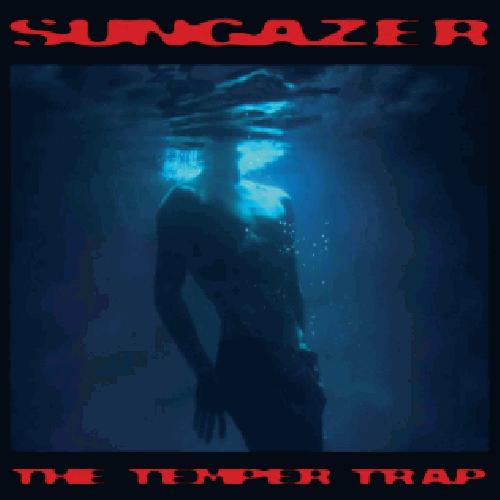
Review Summary: A new spark from the Australians
Life catches up with each of us, turning some dreams into wonderful memories – or leaving them as such, which is also completely fine when family, children, and new life priorities come to the forefront. For the Melbourne band The Temper Trap, these dreams did not fade, but it took about a decade of reflection and internal search before their new, fourth studio album,
Sungazer, saw the light of day. The musicians admit that the main reason for such a protracted creative burnout was the exhausting, almost manic pursuit of the shadow of their own hit,
Sweet Disposition.
Yet, reducing the work of the Australian collective to a single track has always been a disservice, and the band’s long-awaited return convincingly proves this. Ten years after their previous record,
Sungazer is perceived as a confident rebirth of a group that has rediscovered its creative spark. It is an echo of their past selves, a declaration of who they intended to become. Time away from the stage did the quartet good: they returned renewed, embracing a wider sonic range while carefully preserving the soaring emotional core that once made them such an irresistible force.
The album's opening track,
Lucky Dimes, bursts into space with shimmering guitars, an infectious rhythm, and Dougy Mandagi’s unmistakably recognizable falsetto. Familiar? Absolutely. Predictable? Not a bit. The composition feels richer and denser, balancing between sweeping indie rock and flashes of modern electronic textures. The pulsing rhythm signals that we are not looking at a mechanical revision of past material, but rather the result of Mandagi’s creative searches over recent years, which can be tracked everywhere: the track combines sampled drum fragments with a heavy guitar sound rarely found in the band's early repertoire.
In the tracks
Into the Wild and
Bird on a Wire, the collective turns to themes of exhaustion, uncertainty, and the emotional price paid for touring life. The latter is particularly skillful at combining lyrical vulnerability with an uplifting crescendo. In turn,
Giving Up Air, inspired by the suffocating pain of a grieving mother, cleverly juxtaposes introspective motives with infectious musical momentum, once again confirming that melancholy and euphoria remain natural allies in the band's world.
The emotional center of the album is the title track – a touching dedication to Mandagi’s newborn son. Built around shimmering guitars, subtle trip-hop influences, and restrained arrangements, it intentionally avoids an explosive climax. Instead, its quiet, raw sincerity creates one of the strongest moments on the disc, where the subtle sensitivity of psychedelic pop merges with modern electronic rhythms, sounding both timeless and utterly relevant.
Among the rest,
Dystopia Radio stands out as the boldest and most daring statement of the record, pushing the band's style into uncharted territory without sacrificing melodic individuality. The closing track,
Kuru, gracefully returns the listener to the spiritual, almost religious atmosphere of their early work. Curiously, it was this composition that convinced the reunited musicians of the viability of their brewing comeback. The track features Mandagi’s strained, fragile vocals, which in their most candid moments evoke the tragic piercingness of
Jeff Buckley.
Perhaps
Sungazer lacks the instant spontaneity of their hit, but in this context, that is a virtue rather than a flaw. Instead of a fruitless chase after past triumphs, The Temper Trap have recorded a cohesive, and emotionally resonant work. This is a return built on organic growth rather than cheap nostalgia, which makes it sound all the more convincing. Even though the musical world has long been captivated by other currents and new heroes storm the stadiums, The Temper Trap have achieved the main thing – they brought back the inner spark that makes getting on stage worthwhile in the first place, clearly proving to skeptics that sometimes stepping into the shadows is the only way to truly return to the light.