Review Summary: Hard Power
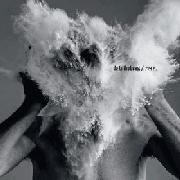
For four decades in rock music, Greg Dulli and his stalwart band The Afghan Whigs are celebrating in a surprisingly upbeat mood and with a new album,
Soft Control. The record belongs to that category of works you typically expect from music veterans with a slight skepticism, yet end up accepting as a matter of course. It continues the group’s tradition of delivering dense, dark rock opuses rooted in soul and funk, which allows the band to make peace with the harsh reality of modern times. In this regard, The Afghan Whigs’ vector of movement remains steadfast since their reunion, creating the impression of a force that has not slowed down for a single second.
The album’s title was inspired by
David Bowie’s quote on aging as
“Aging is an extraordinary process whereby you become the person you always should have been." Among other things, it prompted Dulli to rethink his journey from the frenzied anger of youth to a quiet inner confidence. In turn, this allowed him to view the recklessness of his early material with a sharper focus. Today, The Afghan Whigs no longer display their former bloodthirstiness, but they have no intention of burying their past either, demonstrating the mature wisdom of veterans.
This is precisely why, in its spirit and reflections on aging,
Soft Control comes closest to the works of
Bruce Springsteen and
Billy Joel. There is far less of the former “boiling” and seething here, yet the recognizable harshness and heaviness of nineties alternative rock remain in place, which is distinctly audible right from the first track. The album opens with
Jungle Roux, reminiscent of a cheeky cocktail of R&B, soul-rock, and guitar jangle that creates a feeling of intoxicating and desperate passion.
Once the album settles into its rhythm, resisting it becomes impossible. This is especially felt on the track
Duvateen, where the band skillfully layers a steady, rich soul onto modern compositional traditions, its lighter motif contrasting with the overall dark message. It is precisely in moments like these that
Soft Control captivates with genuine humanity. Not the least role in this is played by Dulli himself with his vocals, masterfully turning his own “creaks” and imperfections to his advantage. He remains the center of gravity that cements the entire material.
On tracks like
The Deepest Part of the Darkest Shadow and
77, Dulli’s voice sounds rich and noble, while on
Loose Talk it breaks into a grandiose, passionate chorus. At the same time, beneath the surface layer of the album lies something more than just an attempt to please the crowd. It is a delicate balance between deafening volume and gloomy reflections, between the joy of the moment and a constant glance at the clock, as well as an awareness of the various absurdities of existence.
The Afghan Whigs remain true to themselves, which is why many tracks on
Soft Control sound distinctly polished. The band’s dark impulses have mostly dissipated rather than vanished entirely, coming together into a cohesive work where every element is in its proper place. The piano, strings, and delicate percussion in
House of I hint at the aesthetics of a big-city rock star. The brass in
Mariah Luster or the intoxicating harmonica in
Memphis, Texas bring a necessary audacity to the sound that clearly suits the album. Even in something as simple as the reverberating guitar baritone in
My Lover, there is something irresistible and catchy to the ear.
Of course, The Afghan Whigs remain a cult band with a fiercely loyal, if niche, following, but Dulli is completely unfazed by this. The musicians continue to move forward with surprising grace, proving that in mature age one can remain relevant without looking back at others’ expectations. They remain masters at reconciling deafening volume with dark reflections, demonstrating a convincing creative impulse capable of conquering new heights with astonishing elegance. Whatever else may be said, it is far too early to write off The Afghan Whigs.