Review Summary: Companions of loneliness on the edge of an endless journey
On her album
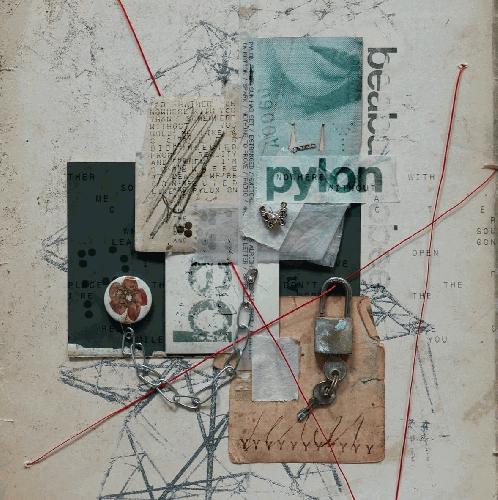
Pylon, we once again witness a stylistic shift, where Beabadoobee’s familiar bittersweet pop-rock acquires a fresh, sharper edge. The previous charming infantilism is still there, but it is now complemented by intricate guitar loops, viscous riffs, and a squealing feedback that plunge the sound even deeper into 90s rock aesthetics. It feels as though the artist is taking a gamble, the stakes and the familiarity of the motives known to her alone.
The record was crafted during the tour in support of
This Is How Tomorrow Moves, so the album's new snarl was shaped by endless distances, the inevitable long absence from home, and detachment from ordinary life while the musician remained on an extended tour. The only constant, literally linking one place to another for Beabadoobee, became the ubiquitous powerline pylons visible from every window. It was precisely this sense of isolation, the need to maintain long-distance relationships with those close to you, and the state of constant motion that led to the sonic form we hear on
Pylon, where each track feels like an honest reflection of this long journey.
The opening title track immediately transports the listener into the atmosphere of loneliness on the road, building up a churning string arrangement before pulling the pin on a distortion grenade whose static crackle reflects the turmoil raging within. The motif of alienation develops rapidly in
Sun Has Set, where crunchy emo notes and a sharp guitar riff convey the accumulated frustration of being unable to be close to loved ones. The feeling of physical and emotional distance permeates
Estranged as well, smoothly leading into the more restrained
Switchblade, where broken guitars and unhurried drums create a fragile alternative rock backdrop of the 90s, vividly emphasizing how severely the necessity of constant movement breaks the routine lifestyle.
Acting as a guide through this sense of isolation from the familiar world is
Powerlines, recorded alongside Brendan Yates of
Turnstile. The duet directly addresses that very infrastructure of powerlines – the familiar view from the window that connects worlds separated by distance with buzzing guitar feedback. Overcoming distances through music also resounds in the collaboration with
Hayley Williams on
Nothing to Prove, whose defiant vocals and choral hooks create the extra energy that is born only in moments of collective work, helping to cope with the oppressive loneliness of touring.
The second half of the record continues this road through weighted, bittersweet jangle-pop on tracks like
Radio with its stinging guitars and the brief
Spark, whose minimalist brilliance illuminates the created world with a fleeting flash. The final period in this endless journey is set by
Satellite, accompanied by a constant noise, as if underscoring the feeling of loneliness. The image of a satellite strives to finally bring together the artist’s fragile vulnerability and the crushing necessity to leave home for a long period of time.
Pylon does not seek to erase Beabadoobee’s soft side completely, and such a thought hardly ever arose. Yet it is precisely because of the existing dichotomy between the familiar form and something coarser brought into the record that its best moments are born, where overdriven guitars impart new power to the melodies rather than masking them. But even where the balance feels less refined,
Pylon looks like a worthy step forward for an artist who, constantly changing and moving forward, remembers where it all started, delivering a strong work that fervently celebrates a fiery, gloomy, and ultimately inspiring view of her own circumstances.