Review Summary: Dwell on the forbidden cover, and a classic goes unheard
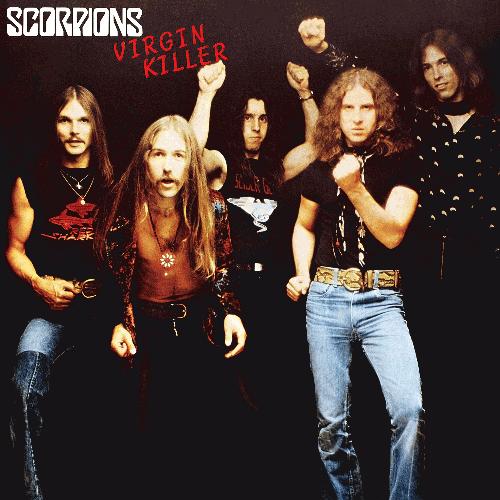
The original sleeve of
Virgin Killer has occupied far too much of the conversation about Scorpions’ fourth album. The objections to its use of a child’s nudity are understandable, and the decision to market the record that way deserves criticism. Accounts from the musicians identify the record company as the source of the idea, though the band went along with it. For all the attention that publicity stunt attracted, it also left some extraordinary music overshadowed by its packaging. As the album approaches its fiftieth anniversary, I would much rather spend time with the songs. There is an awful lot here worth unpacking.
The big ’80s hits introduced me to Scorpions, but
Virgin Killer was actually the first album of theirs I bought. The four studio LPs stretching from
Fly to the Rainbow to
Taken by Force remain their most underappreciated run, and choosing between the different eras depends entirely on what each listener wants as an aural experience.
Virgin Killer catches them writing with tremendous confidence, already capable of the choruses that would fill arenas while retaining a taste for stranger melodies and less predictable guitar work.
Much of its appeal comes from how readily those qualities coexist. Across roughly thirty-five minutes, the band fits an impressive amount of invention into songs that rarely require a second hearing to make an impression. The chorus of
Catch Your Train has that irresistible lift, with Meine sounding thoroughly carried away by the rush around him. The title track pushes harder, its snarling riff and aggressive delivery making the heavier ambitions of this lineup plain. Even the uncomplicated rock ’n’ roll of
Backstage Queen contributes to the album’s enjoyment. Rudolf Schenker’s rhythm guitar keeps the arrangements firmly on course, with Francis Buchholz and Rudy Lenners supplying the necessary drive. Dieter Dierks’ production gives the performances enough definition to follow the individual parts without smoothing away their bite.
Then there is Roth, whose playing makes even the most straightforward passages worth paying close attention to. He can make a lead sound graceful and unruly within the same phrase, and his solos have an abundance of ideas without becoming detached from the surrounding song.
Pictured Life is a particularly persuasive example of how naturally his guitar belongs in these arrangements. Its melodic appeal owes as much to the leads as to the singing, and the two seem perfectly at ease together. Alongside the familiar blues vocabulary and classical flourishes, I also hear Eastern colors in his phrasing, an intriguing meeting of Hendrix and Anatolia. Such touches give this music a flavor that the band’s later, more streamlined records seldom revisit. For all his obvious influences, Roth was more than capable of taking a song on uncharted territory and make it unmistakably his own.
That imagination becomes especially valuable when the pace eases. The quieter material has a tenderness that I find difficult to resist, with the guitars gradually deepening the mood.
In Your Park benefits enormously from its succession of leads, particularly the final solo disappearing into the fade. The restrained verses leave Meine sounding exposed, and the simplicity of the melody makes that vulnerability convincing.
Crying Days develops a more troubled atmosphere, gathering force through its chorus and guitar work, while
Yellow Raven’s masterful structure and key changes allow Roth’s gentler phrasing to linger on, leading the audience on a quite memorable journey. Together, these passages give the record an emotional range that its more forceful moments alone could never provide. Scorpions were already exceptionally good at making softness belong on a hard rock album, and they exemplified those traits from very early on.
Meine deserves considerable credit for holding these different moods together. His high register lends the faster songs their excitement, but I am equally taken with the way he moderates his delivery elsewhere. There is some roughness in his voice, a slightly strained quality that makes the effort audible without spoiling the tune. It suits music this eager and occasionally restless. He sounds involved in what he is singing, whether urging a chorus forward or settling into a quieter passage. Hearing him work so comfortably alongside Roth makes their partnership one of the album’s greatest pleasures.
Unfortunately, Roth’s own appearances at the microphone interrupt that pleasure.
Hell-Cat and
Polar Nights expose the limits of his singing, and I repeatedly find myself wishing Meine had handled the vocals throughout. The latter is particularly frustrating because its instrumental writing has so much commotion underneath it. Roth’s Hendrix fixation can also become too conspicuous in these songs, leaving me impatient for the individual imagination heard elsewhere. I understand the affection behind those mannerisms, but he hardly needed to lean on them so heavily. These are noticeable shortcomings on such a short record, although the guitar playing continues to reward attention even when the singing tests my patience.
Those reservations have never displaced my affection for
Virgin Killer. Its finest songs combine the instant satisfaction I first found in Scorpions with the musical curiosity that made exploring their earlier catalogue so worthwhile. There is enough character in the quieter performances, and enough exhilaration in the louder ones, to keep the record fresh after repeated visits. I still wish Roth had occasionally left the microphone alone. I would scarcely change a thing about the freedom he was given with his guitar. Nearly fifty years later, this remains some of the most rewarding music the band ever recorded.
Recommended tracks:
Pictured Life
Catch Your Train
In Your Park
Backstage Queen
Crying Days
Yellow Raven