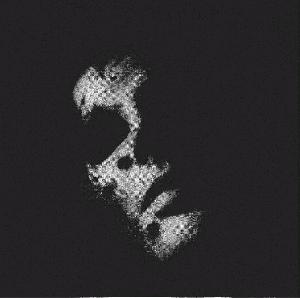
Review Summary: An excellent template for fusing post punk and heavy metal
In hindsight, 2013’s Sister may be one of the more understated influential metal albums to come out in the last couple decades. Gothic metal was certainly a thing but In Solitude’s method of applying gothic sensibilities to a classic metal foundation wasn’t seen too often before it. It also made sense in the context of the band’s personal trajectory, providing another angle for their dark aesthetic and playing well into their combo of Mercyful Fate-tinged riffage and mid-range vocals.
But rather than this merely offering a blend that groups like Unto Others could rip off wholesale, there are enough idiosyncrasies here to maintain a unique identity. A claustrophobic production job leads to a fairly abrasive presentation with the vocals are delivered in a distant and occasionally unhinged bellow while the rhythms have a slightly disjointed slant that serves the often brooding songs. I also find there to be something of a desert atmosphere at play that recalls a mix of Fields Of The Nephilim and The Cult, especially when acoustic guitars are integrated for extra color.
While this combined with the subtle songwriting can make the album tricky to feel out in spots, there’s also a great deal of variety at play. The opening one-two of “He Comes” and “Death Knows Where” immediately highlight the contrasts at play as the former gradually creeps in off-kilter before the latter takes on more explosive speed. “A Buried Sun” stands out for its percussive flow but the album really finds its momentum with the upbeat “Pallid Hands.” From there, “Lavender” throws in a quirky psych tinge while the title track and “Horses In The Ground” thrive on infernal bounces. The eight-minute “Inmost Nigredo” also makes for a splendid finale, grounding the tempo down to a doomy halt with grinding drums.
I’m not sure if Sister will ever reach the recognition of a modern classic, but it makes for an excellent post punk meets heavy metal template. As tragic as it was for In Solitude to disband just a couple years after the album’s release, the developments displayed here reflect the growth they experienced since their 2008 self-titled debut. It’s easy to imagine how much further the band could’ve taken this fusion but it also invites the notion of a torch having passed to groups like Unto Others, Sonja, and The Night Eternal among others to push the style even further.