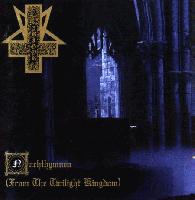
Released in 1995,
Nachthymnen (From the Twilight Kingdom) is widely regarded as the Austrian collective’s opus magnum, and it’s especially clear why after putting it into the context of the previous records. The band’s initial run of demos already showcased their classical influences and melodic sensibilities, which came to – at the time – full fruition on their debut
Verwüstung – Invoke the Dark Age. An album so perfectly somber and ripe with enthralling guitar leads that Abigor could’ve easily continued in that direction and still keep releasing classics. Only four months later however,
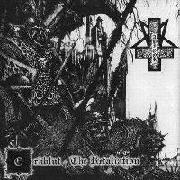
Orkblut – The Retaliation presented a different approach: simpler, more dissonant and aggressive, complete with blistering percussion and extensive use of ambient interludes to provide balance. This is where the appeal of Nachthymnen comes from. It was a logical continuation of both of these records, combining and refining their strengths while tastefully including a whole batch of new elements.
An immediately noticeable aspect of
Nachthymnen is the duality between guitars and drums. While both provide technically and emotionally diverse lines, the former immediately stand out as the more defined, melancholic side of the record. The extreme edge is surely being brought, but what’s better is how incredibly memorable the riffs are. That, coupled with distinct classical influence greatly elevates the listening experience, not to mention the amount of diversity at play. Apart from the typically black metal tremolo riffs, the album is rich in acoustic segments, which, like the outro to “Scars in the Landscape of God”, contribute to the permeating sense of dread and finely showcase the aforementioned classical tendencies. The guitar work overall is greatly chilling, only rarely breaking out of it through double-guitar harmonies; in “Dornen”, it even comes close to doom metal, to the advantage of the track. The drum lines are equally intense, albeit rather through the means of unpredictability. Although Abigor functionally found the middle ground between the endless onslaught of blast beats found on
Orkblut and the more tactical dynamics of their debut album, the percussion on
Nachthymnen still utilises plenty of caleidoscopic savagery. Speed changes occur rapidly and almost constantly. Punishingly intense sections swiftly transition into slower, moody segments and back. What’s most interesting is how aggressive the drumming is even during parts when, considering how somber and melodic the guitar work is, one would normally expect it to follow suit. This dynamic underpins many of the moodier moments with chaos, creating a sense of fragile balance between the two – one that’s expertly handled and elevates the tension immensely.
Outside of frantic drumming, another trait that
Nachthymnen inherited from
Orkblut is the emphasis on the atmosphere. However, instead of its predecessor’s slightly folky medieval aura handled mainly by acoustic guitars and flute, it opts for a darker, gothic approach. Varied keyboard parts, ranging from nocturnal organ impressions to outright aural notes, as well as a wide range of background effects and production tricks, are applied with a surgical precision. “Reborn Through the Gates of Three Moons” showcases that well with haunting bell ringing, layered screams and abrupt breaks into sounds of sweeping wind and ritualistic spoken word, among others. The outro in “Dornen” leaves a lasting impression by topping off the slow, doomy track with a sudden speed increase and a keyboard staccato. The closing piece “A Frozen Soul in a Wintershadow” features some of the most startling sound samples on the entire record, later transforming into a tenebrous metal beast with the keyboards subtly working in the background. The album makes an especially heavy use of reverberation, which adds another layer to its already deep and unsettling sound; this is most audible in the plethora of echoing, thunderous drum hits littered all throughout. But what truly elevates the experience is the singing of Elisabeth Toriser. Undoubtedly a gifted vocalist, as also evidenced by her own project Dargaard, her contributions to
Nachthymnen are nothing short of enthralling. Not only do these clean passages create a pleasant contrast to the tormented screams of Silenius, they evoke a sense of haunting beauty beyond what the band’s sonic wizardry alone could have achieved.
It is without a doubt that the people forming the classic lineup of Abigor were masters of their craft. Even put against the numerous qualities of their previous two albums and the following
Opus IV,
Nachthymnen (From the Twilight Kingdom), for all reasons mentioned, shows the band at the peak of their musical capability and serves as the prime argument for their classic status in extreme music circles. Over three decades since its release, it stands the test of time as one of the most accomplished records within the realm of black metal.