Review Summary: Isn't it lovely?
Framing Hanley exist in this odd grey zone between being a nostalgic jam for many and being barely discussed at all. They had a good run years ago, didn’t they? Their emo-tinged debut
The Moment, the radio rock concept album
A Promise to Burn and the slightly unfocused
The Sum of Who We Are were nothing groundbreaking, and didn’t need to – they still succeeded at delivering energetic, heartfelt songs with hooks for days and quite a few interesting instrumental solutions tossed into the fold. But eventually, 2015 happened; the project was put to rest and turned into a gradually fading collective memory.
Until they returned. Yes, we are talking about Framing Hanley in 2026 here, but what might have gone over some people’s heads is the fact that their reactivation took place whole eight years ago and resulted in two records already. This is important, because their comeback album
Envy is easily their most focused, diverse and riff-loaded effort to date, automatically setting a high bar to clear for its successor. But again, does it really need to?
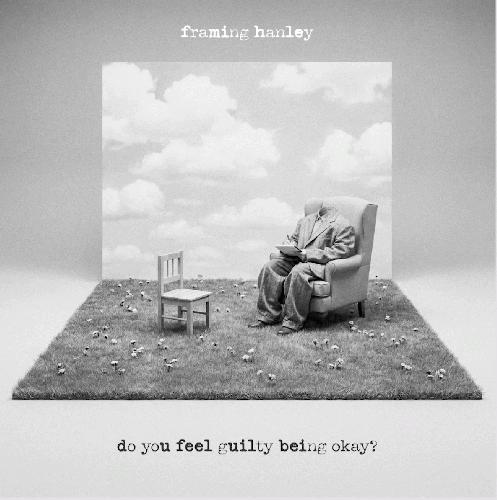
Do You Feel Guilty Being Okay? sees the band in a new coat of paint, but doing the same thing the world came to love them for – crafting simple, fun music and putting their whole hearts into it.
The band’s fifth studio effort constantly balances between hard-hitting rock and much lighter sounds. The riff work took a little step back this time around, giving way to heavy chugs and exchanging lead functions with a plethora of engaging synth lines. That, coupled with surprisingly hardcore-adjacent drumming makes songs like
The Reckoning and
Mean It the heaviest that the Nashville rockers have ever recorded. At the same time, the album taps heavily into electronic and pop influences, and features a few sweet acoustic sections – most noticeably the retrospective ballad
Poor lil’ Me. Obviously, what’s bound to draw the most attention are Kenneth Nixon’s vocals. Two decades into his career, he sounds like he hasn’t aged a day and keeps delivering his idiom-loaded lyrics with the same skill and emotion as always. A slight issue is the amount of digital effects at play. All the reverb, vocoders and stuff contribute to a slick, modern sound, and aren’t nearly as overused as they might seem; at times though, all you’d ask for is hearing Nixon less filtered. Despite this complaint, it’s worth noting how clean and spacey the record sounds. While I’m not a fan of Richard Wicander’s own band Fire from the Gods, his work as a producer here is nothing but pleasant.
One could just slap the 'saccharine pop rock' label on this music and call it a day, but there’s more to it than meets the eye.
Gimme Gimme is a great opening track thanks to its bouncy two-part chorus and the hip-hop-inspired bridge followed by a charming synth line. The high-pitched guitar leads in
Mean It leave a chilling, desolate impression, while the 'hit me like you mean it' post-chorus makes for a wonderful emotional climax to the song. Of course, it also thrives on nostalgia by being a thematic and melodic continuation of
Photographs and Gasoline – my absolute favourite “classic era” Framing Hanley cut. The most unique track here is the melancholic alternative/post punk piece
Sweet Tooth. Despite straying from conventional rock stylings, it loses none of the appeal – the fleshed-out bassline, engaging guitar work, lush electronic layer and somber singing, fittingly soaked in effects and featuring some of the deepest notes Nixon has ever hit, all come together immaculately.
In 2026, you might not expect much from an alt rock band that used to be moderately popular almost two decades ago (provided that you’re even aware of their continued presence), but the truth is that, musically, they are doing just as well as ever. While the days of
Hear Me Now and
Criminal are long gone, the current squad of Ken Nixon, Nic Brooks and Jonathan Stoye knows damn well how to make cool, emotional songs not unlike the band’s back catalogue.
Do You Feel Guilty Being Okay? is a bittersweet, satisfyingly well-flowing record and a fine new chapter in Framing Hanley’s history.