Review Summary: Cocaine is one hell of a drug
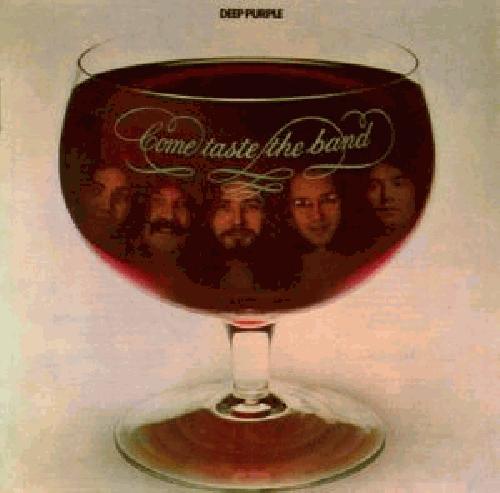
1975’s Come Taste The Band might be the most chaotic album that Deep Purple ever released. With it being their first outing to not feature guitarist Ritchie Blackmore, there’s a degree of uncertainty at play that is exacerbated by the decadence that was going on behind the scene. Yet at the same time, there’s also a sense of freedom with nothing holding back the soul and funk influences that had accrued on Burn and Stormbringer from completely taking over. For better and for worse, this is the product of a bunch of horny coke fiends feeding off each other’s relentless energy.
Guitarist Tommy Bolin integrates himself well into their current dynamic; duels with the keyboards don’t happen like they used to but his scorching tone and tasteful sensibilities do play well with the style at hand. The dual vocals also seem even more emboldened with Glenn Hughes holding down his signature bass grooves and Stevie Wonder-esque wails while David Coverdale gets ever closer to his Whitesnake-era cock rock strut. Fortunately, the band’s two original members still get to have their says as Ian Paice’s drums give the funk riffs a heavy punch while Jon Lord’s keyboards provide an often airy presence.
While that enthusiasm also showing up in the songwriting could risk things being a little too breezy, the tracks are structured enough to keel together and it’s interesting to see how the dynamic fluctuate over the course of the album. “Comin’ Home” is a fast-paced opener that provides the shot in the arm that subsequent tracks like “Lady Luck” and “Gettin’ Tighter” ride eagerly. Tracks like “Dealer” and “I Need Love” scale the tempo back with more grounded grooves that still keep an upbeat flow while “The Drifter” puts in some catchy fanfare. The piano-driven lament turned instrumental showcase on “This Time Around/Owed To G” signals a moody shift that leads to “You Keep On Moving” closing out in beautifully somber fashion.
Come Taste The Band might be a little too messy to be among Deep Purple’s best work but it is one of their more underrated efforts. While having a certain familiarity with the genres they were tapping into can help deepen one’s appreciation of what they were going for, it also has the sort of hustling energy that can endear itself to hard rock sensibilities. Either way, it’s a hard driving listen where you can feel the sweat and swagger behind every funk break or high octane harmony. The subsequent self destruction culminating in Bolin’s tragic passing can make this feel like an inherently doomed effort, it’s still easy to wish that the lineup could’ve gotten more time to explore their budding chemistry.