Review Summary: An interesting and experimental folk album with plenty of twists and turns
Whether it fully gels with you or not,
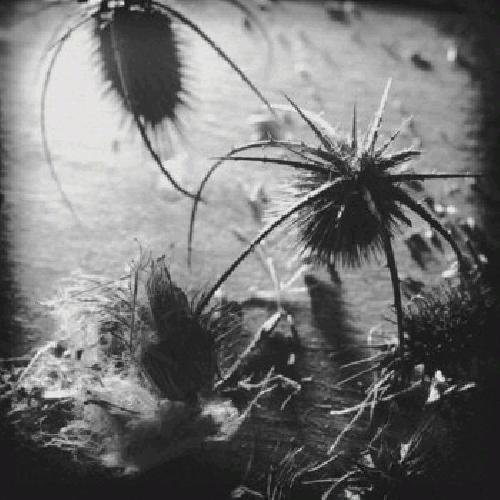
Wars of Abstraction is one of the more interesting albums of 2026. The basis of L'eveil’s debut album is simple: stick the incredibly gifted Matthew Nichols in a room with his acoustic guitar and watch his incredible fingerstyle unfold – drawing from a wealth of styles and influences to create a vastly complex web of ideas for you to traverse. Produced by The Night Watch and Musk Ox’s Nathanael Larochette, Nichols and Larochette genuinely dig deep and push the acoustic guitar to its limits on this thing, offering four huge, labyrinthian tracks for (mainly) fans of a progressive disposition. “Ascending” wastes no time in showcasing Nichols’ impressive skillset, with a breakneck fingerstyle and a sortie of harmonics in the mid-section of the track for good measure. However, what makes
Wars of Abstraction such an interesting record – for better or worse – is that while it’s essentially a raw acoustic guitar album with no bells and whistles, the writing itself is clearly berthed in adulation for all things metal. It’s a record that supersedes atmosphere and mood, going for the jugular and offering a more riff-based experience with ever-changing grooves and sections. The fingerprints of Metallica, Tool, Agalloch, Tenhi and Ulver, to name a few, are all over Nichols’ compositions, with the virtuosic dial cranked high. Unfortunately for me, while
Wars of Abstraction is an enjoyable journey with fantastic musicianship and mind-bending songwriting, some of the ideas don’t quite land.
Indeed, it’s incredible hearing some of the stuff Nichols can pull off here, yet the central problem for me is the record’s austerity.
Wars of Abstraction is an ambitious album with grand and complex ideas at the heart of it, but the decision to make this a solo acoustic guitar record feels like L'eveil has handicapped some of his potential. As I touched on earlier, because the writing is for the most part set at a breakneck speed, with the odd moment of respite in between, the album doesn’t really give off much atmosphere or mood like you’d expect from this type of music, and because it’s such a densely packed riff-er, clocking in at over 40 minutes, it all bleeds together and dulls the impact at times. Simply put; these songs would have benefitted from, at the very least, some layering and guitar effects to make a bigger impact during certain moments of songs. “Ascending” and “Wars of Abstraction” in particular, if they were translated to a conventional band setting, I feel like the power behind the songwriting would be on full display and they would hit so much harder. As it stands, it feels like there’s a disconnect between Larochette and Nichols’ intensely ambitious vision and the limited toolset they are working with. Of course, this is just my preference. While I adore this type of music, I lean more into space and the atmosphere that creates over a full-frontal assault on the senses. “Asleep in the Laurel” and “Narrows Hill” provides a more tranquil reprieve over the first two riff-laden numbers, but the album overall doesn’t quite connect with me like other albums in the scene.
With all that being said, this is still an enjoyable album that showcases an extremely talented musician. If you’re looking for a challenging classical-folk hybrid with metal worship at the heart of it, this will be right up your street. Regardless of my overall thoughts on
Wars of Abstraction, one thing is for certain: with a skillset like Matthew Nichols, L'eveil is one to watch out for in the future.