Review Summary: What must we lose in order to preserve the beauty of the Earth?
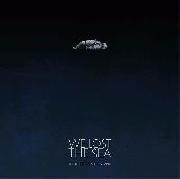
On July 4, 2025, We Lost the Sea released their fifth album, A Single Flower. It’s an album with only six tracks, yet it runs for seventy minutes—the final track alone is twenty-seven minutes long. The creation process for this album took around five years. The band spent a huge amount of time developing ideas, going through countless trials and errors, and using a wide range of unusual gear and custom-made guitars to get as close as possible to the sonic vision and goal they had in mind.
What we hear here is essentially a concept album—but it’s important to understand that the idea of a “concept album” in a lyricless post-rock work is completely different from what we usually associate with the term. There are no lyrics or vocals here to tell you a story. There is only the music and the feeling it conveys. You are the one who has to understand it, to discover the narrative by connecting the tracks side by side, front to back.
We Lost the Sea created this album with the climate catastrophe and the world approaching an apocalypse in mind—framed through a theme of resistance and revolution, but ultimately about transforming grief into beauty. The album’s title, A Single Flower, is taken from The Road by Cormac McCarthy (which was also adapted into a film), and in many ways the album’s overall concept circles back to that book. The story takes place in a post-apocalyptic world, where a father and son try to survive in a ruined landscape. One of the questions raised by the main character is this: what price must be paid for us to be able to see a single flower? As humans, what must we lose in order to preserve the beauty of the Earth?
That same perspective shapes A Single Flower. Here, the flower is something beautiful but fragile—easily damaged, yet capable of growing again. In this album, the single flower becomes a symbol of small but resilient hope, something that gives us a reason to keep going. Just like the tracks themselves, which begin in darkness and rise toward hopeful climaxes, almost as acts of rebellion against despair.
One of the defining traits of this band’s music—something that reaches its peak on this album—is their use of three guitarists. But the vastness I mentioned doesn’t come from simply layering multiple guitar tracks. This isn’t about numbers; it’s about the division of roles. At almost no point do you feel the guitars repeating one another. One guitar serves as the main pillar, stretched out, sustained, built on gentle drones. Another moves forward, using repetitive patterns and simple melodies like a compass, giving direction. The third defines the core texture, shaping the atmosphere through melodies and controlled noise.
The key point is that these roles aren’t fixed to specific guitarists. Not only can one guitarist take on a certain role in one track and a different role in the next, but even within a single track, these roles constantly shift and rotate among them.
To put it simply: this album is a masterpiece—and a new world for a band that has never reached this high, this wide, this beautiful a flight before. My recommendation is this: keep everything I’ve said in mind, take a look at the track titles, then press play from the first track to the last, close your eyes, and let these six long, powerful pieces take over your mind and soul.