Review Summary: I dont want to forget you
Lower Definition are a post-hardcore band from San Diego, California. It’s been sixteen years since their debut album The Greatest of All Lost Arts came out, and for a long time it felt like that might be the only full album we’d ever get. Some people count Moths as their first record, but it feels more like an EP than a proper full-length.
The band called it quits in 2011, and it wasn’t until 2018 that they resurfaced, reuniting to celebrate the ten-year anniversary of their debut. Then, between 2021 and 2022, a handful of singles appeared and suddenly there was hope again. Maybe a new album was finally happening. That excitement didn’t last long, though—money issues put everything on hold, and things went quiet once more.
Until 2025.
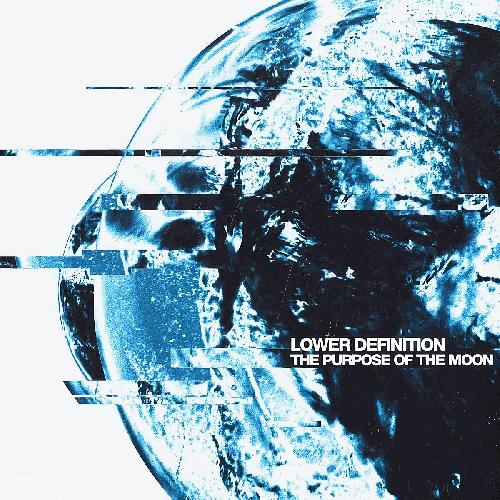
When the follow-up to The Greatest of All Lost Arts was finally announced, longtime fans (myself very much included) were ecstatic. The singles started rolling out, the buildup gained momentum, and it genuinely felt unreal that this record was actually happening.
Right from the start, opening track “Loom” feels like being reunited with an old friend. It’s instantly familiar, but still interesting enough to pull you in. Warm, reverb-soaked chords set the tone, soaring vocals glide over the top, and a distorted guitar lead sneaks in before the band fully kicks the door down. It’s classic Lower Definition, and it feels amazing to hear it again.
Everything that makes this band work is here: crushing breakdowns, thick low-end bass, and a tight, impactful rhythm section. “Loom” is the perfect opener because it does exactly what it needs to do—remind you who Lower Definition are—while also adding small electronic touches that freshen things up. Lines like “This could be perfect” hit especially hard, resonating both with the band’s long journey and with more personal moments in the listener’s own life.
“What Are You Running From” keeps that emotional momentum going. It’s raw, melodic, and intricately put together, with vocals that sound completely believable in every word they deliver. The title track follows, blending softer, spacious sections with bursts of aggression. The drums, guitars, and vocals all feel independent here, never stepping on each other’s toes, which gives the song room to breathe. Lyrically, it’s just as strong, with lines like “This came to me in a dream, and all I could do was drown it away.”
“Blackflower” brings screamed vocals back into the mix and really leans into the contrast between melodic and aggressive sections. Choir-like chants behind the main vocals add a dramatic edge. It’s one of the shorter tracks, but it’s easy to imagine this becoming a fan favorite—and a song people will be begging to hear live.
Then there’s “Miami Nights II,” which honestly feels like an instant classic. As a follow-up to “Miami Nights” from the debut, it feels like coming home. The slower, more spacious approach makes the song feel massive, and the hook is ridiculously catchy. This is one of those tracks that reminds you just how good this band can be. It might even be one of their best songs, full stop.
“Potion Castle” carries on that atmosphere, built around spacious guitar work and memorable vocal moments, especially the line “Two candles in this circle, levitate with me.” It’s another track that feels both intimate and huge at the same time.
“Spires” shifts gears again, throwing you straight into the aggressive, rhythmic side of the band. A softer piano section with soulful vocals (and a touch of autotune) provides a brief pause before the song crashes back into heavy breakdowns and intense screams. The contrast here is one of the album’s biggest highlights, matched with lyrics like “I just want to stay asleep now, it is the only place that I can see you.”
“Godmode” might be the weakest track on the album, but that’s really not saying much. It’s short, sharp, and still packed with a great bassline and strong lyrics. It just doesn’t hit quite as hard as the surrounding songs. Still, it works well as a quick reminder that the band hasn’t lost their identity.
“Signs” is the shortest track on the record, coming in at under two and a half minutes, and it absolutely rips. Intricate guitar leads clash with soaring vocal melodies, bouncing effortlessly between melodic passages and chunky breakdowns.
“Apparition Room” is the album’s longest track and makes great use of synths to build atmosphere. While it doesn’t reinvent the wheel, it brings together everything the band does well and delivers some of the strongest lyrics on the album, including “Can’t help myself, push the metal to skin… watch me circling it.”
“Abbatoir,” one of the earlier singles, feels like the most personal song here. The lyrics sound very specific but stay just vague enough to let listeners project their own experiences onto them: “Shoot a text at 3 just to see if you will reply…”
The album closes with “Aphasia,” and it’s the perfect ending. Instrumentally, it feels like the culmination of everything that came before it. The repeated line “Repeat and run it back” feels intentional—like a hopeful nudge that this won’t be the last time we hear from them anytime soon.
In the end, The Purpose of the Moon is a genuinely satisfying and emotional follow-up. It keeps the classic Lower Definition sound intact—catchy hooks, soaring vocals, heavy riffs, and reverb-soaked melodies—while subtly modernizing things with touches of electronics and autotune. Nothing feels forced or out of place. More than anything, this album sounds like a band rediscovering themselves and remembering why they loved making music in the first place.