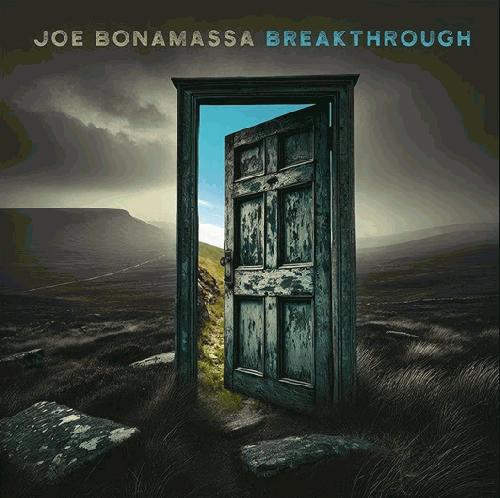
Review Summary: Classy blues, exuding style and finesse, yet somewhat superficial and shallow
Joe Bonamassa is widely regarded as a phenom within contemporary guitar circles. His skill behind the fret-board is extraordinary, positioning him as one of the most accomplished players of his generation. Equally notable is his work ethic, a relentless drive that has sustained a prolific output over two decades. By 2025, Bonamassa had released more than fifty albums (collaborations included) and maintains a schedule that seems to hinge on perpetual creation and touring. This combination of virtuosity and stamina defines his artistic identity and explains why he remains a central figure in blues-rock today.
Bonamassa’s professional trajectory began in earnest in the early 2000s, but his public emergence as a guitar prodigy dates back to childhood performances. Right from the get-go, observers recognized a rare blend of technical mastery and expressive sensitivity. He has since evolved into a versatile stylist, able to navigate a spectrum of influences while retaining a distinctive sonic fingerprint.
Breakthrough, his latest album, exemplifies this tendency. It presents a colorful fusion of genres -Texas blues, soul, southern and country rock- yet all channels through Bonamassa’s recognizable filter: a guitar-forward approach underpinned by narrative vocal lines and a polished production aesthetic.
The album’s sound is dominated by tight, expansive production that many listeners will associate with modern, high-fidelity rock records. The ensemble -an 11-piece band featuring players such as Josh Smith, Calvin Turner, and Lemar Carter- delivers cohesion that feels cultivated over years of collaboration. This group work creates ten tracks that breathe and interlock while allowing individual voices to shine within a unified whole. In live contexts, Bonamassa often performs with the same or similar personnel, underscoring a stability that translates into a confident studio performance. The result is a soundscape that is rich, warm, and highly polished, enabling the music to travel comfortably across audiences who expect accessibility without sacrificing technical precision.
From a guitarist’s standpoint, Bonamassa is a master of range. His solos unfold with surgical precision, serving a narrative purpose rather than reaffirming virtuosity alone. Songs such as
Trigger Finger emphasize intensity through controlled attack, while tracks like
I’ll Take the Blame and
Drive by the Exit Sign leverage percussion to drive momentum. Conversely, pieces such as
Life After Dark reveal a more soulful bent, and moments of tenderness in
Broken Record hint at a broader emotional palette. The balancing act between guitar arrangements and vocal lines is deliberate, with space allotted for the lead vocal and backing vocal textures, including female voices, to breathe.
Superficially, the album sounds fantastic from start to finish. The craftsmanship is evidently there but my main problem with Bonamassa has always been one thing: memorability. I’ve never been Bonamassa’s biggest fan, although I’ve listened to a bunch of records, cause the result is always the same; the vibe just isn’t clicking. The production’s polish can, for some listeners, suppress the grit and immediacy that might render a song more indelible. The result is a credible, accessible blues-rock record that leans toward mass appeal rather than pushing the artistic boundaries of the genre. For aficionados who crave instrumental storytelling with vocal support receding, this approach may feel slightly detached. Yet even with that caveat, Bonamassa’s place in the pantheon of contemporary blues-rock remains secure. He has not simply survived the shifting sands of the music business; he has thrived by turning opportunity into influence while continually refining a signature sound.
Evaluating this blues rock record, one can track the artist’s constant, deliberate shift towards broad appeal. The album targets the masses rather than guitar enthusiasts, offering streamlined arrangements and a balance of instrumentation with pop-flavoured blues. For listeners seeking accessible sounds, it succeeds. For me the problem remains unchanged; Joe Bonamassa's music leaves me emotionally detached…
Recommended Tracks:
Breakthrough
I’ll Take the Blame
Broken Record
You Don’t Own Me
Pain’s on Me