Review Summary: The Dark Times of Symphonic/Gothic Metal, Part 2
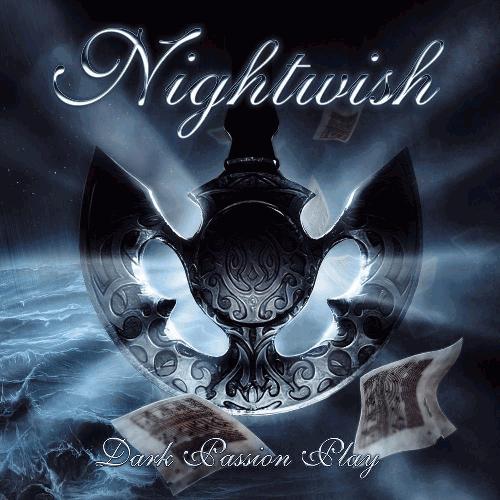
I'm bringing my other Metal Archives review to Sputnik, because today, it's time for the big one. By now, you've probably heard every possible opinion on Nightwish's controversial album "Dark Passion Play", and here I am to... say it's not as bad as its reputation would suggest, but it could never be considered Nightwish's best.
There's a lot on this album that's pretty good, and a lot that's really bad. It had the potential to be good, but something didn't work. Let's explain why. I was introduced to this album with its first single, "Amaranthe". It's chorus is incredibly catchy, and its last line "Rain, rain!" is also pretty memorable. I also love its "Wounded Angel"-inspired video. But musically, it's such a stereotypical example of a generic gothic/alternative/ barely symphonic and barely metal song that it feels strange coming from the usually more ambitious Nightwish. And considering the most ambitious song on this album is "The Poet and the Pendulum", I have all the reasons in the world to worry. This one is nearly 14 minutes long, full of changing melodies and moods, symphonic metal bombast and an infectious "Fly away, lead me astray" chorus. I heard this and thought Nightwish had not lost their creativity... and then came that weird, melodramatic bridge about Tuomas Holopainen's tragic death. What started as the best song on the album suddenly becomes an ode to its songwriter's out of control ego. Embarrassing to say the least.
Unfortunately, there are many other embarrassing moments on this album. Especially the songs where the band tries to get back at their former singer Tarja Turunen. "Master Passion Greed" is a fast-paced, ferocious power metal track, mainly sung by Marco Hietala, with lyrics calling out some greedy and evil traitor, who of course deserves all the blame for the failure of their relationship. I love the rage in that song, but it's such an obvious attack on their former bandmate that it becomes a little embarrassing. "Bye Bye Beautiful" is another example of the album having both good and bad ideas. It also has a softer and somewhat more commercial feel, but it's catchy, and its opening line "Finally the hills are without eyes" is very awkward but still kind of works, except the song is one more unsubtle attack on their ex-singer.
But what's on the album, aside from the behind the scenes drama and the obvious radio singles? There are some pretty good songs, like "Sahara", which feels like a long, epic march through the desert. Or the fast-paced and angry "Whoever Brings the Night" and its catchy chorus. On the opposite side, there are also some nice ballads like "Eva" and "Meadows of Heaven". Or some more unusual experiments, like the Celtic-influenced "The Islander" and "Last of the Wilds" or the peculiar, singsongy "The Escapist", for the bonus tracks.
But there are a few bad parts, like "For the Heart I once Had", a rather forgettable song with a generic piano melody and a riff that sounds too much like the one from "Amaranthe". While I like "Whoever Brings the Night" and "Meadows of Heaven", they can be a little too long and repetitive. "Cadence of her Last Breath" is pretty good otherwise, but Annette Olzon can sound, appopriately, out of breath on this one.
I guess I must address the most controversial thing about this album: this was the one that introduced Tarja's replacement, Annette Olzon, who had previous experiences as a pop and rock singer and has a completely different style from Tarja. She is also needlessly hated by some fans, but this time I have to say that while she's not a great fit for Nightwish, she is a pretty good singer. Her voice has a nice, clear sound and lot of energy, creating some really catchy and memorable melodies for the choruses of "Pendulum", "Beautiful" and "Escapist", or sound sweet and soothing on "Meadows of Heaven". When they give her a song that fits her voice, she can make it really shine. The trouble is that Nightwish's music is made for someone with a big voice, that can stand out and express every emotion at the top of her lungs, and Annette's voice just doesn't have those qualities. She can sound a little strained on heavier songs, and her delivery doesn't feel particularly emotional, mostly giving off an air of detachment and artificial joy. Again, her style isn't terrible on its own, just not made for Nightwish. It means they have to dial back their grandiose, over-the-top style to fit her voice, and I'm not interested in a dialed down Nightwish.
This would be the real problem with this album: it feels dialed down and unfortunately dumbed down, compared to Nigthwish's usual work, and that's why, even though I don't really hate this album, I can't call it a great album even though the potential was there. It was a strange experience to listen to, and to review.
I'll just say I have a love-hate relationship with it. I hate its cultural legacy: it made Nightwish look like a joke, and it started a whole trend of previously great symphonic and gothic metal bands getting new singers that just did not fit their style of music or dumbing themselves down into this generic pop metal with vaguely symphonic influences. In other words, it inspired my "dark times of symphonic metal" series. But I don't hate its music, because there are a lot of good things on this album, aside from the obvious missteps. It's not Nightwish's best by any means but it's somewhat enjoyable, if you don't compare it to its predecessors and even its follow-ups, which will not be included in this series. It's definitely better written and more interesting than "Rubicon" or than Therion's "The Gothic Kabbalah", which you could consider the unofficial prequel of this series.