Review Summary: A remedy and solace for the darkest of tales — including the ones we actively consume.
On October 24th, 2025 (this past Friday), Dayseeker released their sixth album,
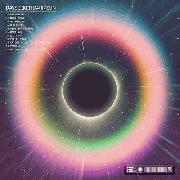
Creature in the Dark Night. Early press from vocalist Rory Rodriguez and the band described it as a darker, more gothic/noir turn both musically and lyrically. I’m not Jay-Z, but lyrical themes around devils, demons, coffins, death (there’s a lot of that), nighttime, reapers, and ghosts all make appearances throughout the album. It’s perfectly on-brand for that gothic edge and fits right in with the late-October, spooky vibes of Halloween in North America. As a fan of Dayseeker, I’d been looking forward to this one — hoping it would complement the fall aesthetic I’d already been living in.
However, on that same day, I decided to watch Ari Aster’s
Hereditary(spoiler-ish details allover this review but I try to keep it vague).
Hereditary isn’t just terrifying — it’s emotionally devastating. Themes of family trauma take shape in a nightmarish story of buried secrets and sins passed down through generations. There’s a sense of evil that seeps into everything, tearing apart the already fragile Graham family and using them as pawns in a larger, horrific plan. The plot, the characters, the imagery — all of it — has been etched into my mind. It’s an unshakable film that left me with anxiety, fear, sorrow, and a strange, heightened awareness of the world around me.
In the days after watching it, I’ve been reeling — replaying moments, diving into analysis videos on YouTube, and trying to process what it all meant. What surprised me most, though, was how much comfort listening to
A Creature in the Dark Night gave me while unpacking everything. The album doesn’t shy away from its own darkness, and in many ways, it feels like it speaks as a reaction to Hereditary. Annie Graham and her mother’s desperate attempts to connect with the afterlife feel eerily aligned with “Pale Moonlight,” both women chasing connection and meeting wildly different fates. The title track mirrors Peter’s storyline — a young man trying to escape his family and find normalcy with a love interest, his friends, all while being hunted by a hidden demon tearing his world apart.
“Shapeshifter” fits Annie perfectly, as she slowly becomes consumed by inner and outer demons, her transformation straining her family in both emotional and physical ways. Rory sings, “It’s not safe to drown inside a river of all your broken lies” on “Soulburner,” which immediately reminded me of all the secrets within the Graham household — Peter lying about parties, Annie lying about where she’s going, Steven hiding the truth about his mother-in-law’s desecrated grave. “Bloodlust” wrestles with the idea of life lost and emotional detachment, watching loved ones become hollow shells of themselves. “Meet the Reaper” feels like Annie’s immediate, gut-wrenching grief following a family tragedy. Other songs like “Cemetery Blues,” “Living Dead,” and “Forgotten Ghost” almost feel like what could’ve been — a version of the Grahams who might’ve communicated better, or maybe chosen to separate before they destroyed each other.
Tangent on the musical details: If you’ve been a fan of Dayseeker since
Sleeptalk,
A Creature in the Dark Night won’t surprise you. It feels like a natural evolution from
Dark Sun, blending the cinematic heaviness of
Sleeptalk with the synth-driven textures Dayseeker have leaned into lately. The guitars, bass, and drums sound massive — cinematic and deliberate, perfectly crafted for dynamic impact. The instrumentation ultimately complimenting Rory’s versatile and dynamic vocals which sit upfront in the mix. If you’ve liked their recent work, there’s not much here to dislike. I’ve seen a few comments about the songs sounding similar or the pacing being too consistent, but honestly, I think that’s part of what works. The steady, mid-tempo heaviness gives it that immersive, gothic tone once you settle into it — though that’s definitely subjective. “Crawling Back to My Coffin” has this soaring yet controlled chorus melody that hits just right. “Soulburner/Bloodlust” gives me the same one-two punch that “Midnight Eternal” and the title track did on Dark Sun. “Cemetery Blues” stands out musically by breaking away from the traditional verse-chorus-bridge structure. Instead, it leans into these Imogen Heap–style stacked harmonies and a pulsing, almost EDM-like rhythm before building and breaking about two-thirds of the way through. Rory’s screams in that moment are some of his strongest to date — easily one of the album’s most emotionally powerful points. “Bloodlust” even gives a subtle nod to Glassjaw’s “You Think You’re John Lennon,” but straightens out the groove and drops it into a sludgy, waltz-like rhythm. Overall, ACITDN has some of Rory’s best melodies and performances to date, comfortably setting himself up as a stand-out in the alternative/metal scene.
I know this review is basically a big comparison piece to Hereditary (and Colin Stetson’s haunting soundtrack which is very much part of that experience), ACITDN is definitely the lighter of the two experiences — but it doesn’t shy away from its own darkness. In fact, that’s what makes it such a therapeutic album to process something like Hereditary with. If the film is about the inevitability of family demons being passed down and the impossibility of escaping them,
A Creature in the Dark Night reframes that idea. It suggests that while we might not defeat our demons, we can learn to live alongside them — and, just as importantly, know when to cut toxic people or patterns out of our lives.
Rory sings, “If it’s all a game to you, I think we need a doomsday. I hate to be the one to tell you, the future is a cold, dead place.” It’s a truth the Graham family never managed to face — and depending on our own demons, maybe one we all eventually have to.