Review Summary: This Ukrainian band's second full-length puts the bands progressive rock talents on display, but is hampered by a lengthy run time and creeping redundancy.
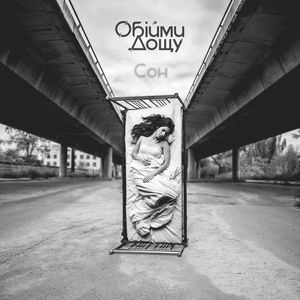
Obiymy Doschu’s second full-length album, COH (translated as “Dream”), strives to reflect the human condition. Through its 11-track, 72-minute progressive rock album, this Kyiv-based band wears their collective hearts fully on their sleeve, musically and lyrically. Regardless of the language barrier at play here (the entire album is sung in Ukrainian with English lyrics available), there is an emotional weight that is ever-present. It is an album that enjoins the listener to dream with the band, to recognize the universality of suffering and redemption; of loss and hope; and of reality and dreams.
It’s important to highlight just how much work and effort went into creating this album. As their Bandcamp page will proudly state, this album is the culmination of eight years of writing and recording and features such a vast array of instruments and influences that it is hard to offer a concise description of what’s on offer. At its core, COH contains all the notable elements of progressive rock, including its slightly groan-inducing length. Songs swing between constraint and bombast. The album’s opener, “The Last Moment,” is an expansive piece that perfectly encapsulates what one should expect of the album over its proceeding 10 tracks: relatively long songs that take their time to build, often climaxing at the halfway point followed by a lengthy denouement. Instrumental breaks are frequent as the band strives to maintain a full-sounding atmosphere and these breaks, at times, border on easy-listening and the album does include a pair of instrumental tracks, one serving as a very brief interlude before directly transitioning into the album’s title track. The other, a four-and-a-half minute instrumental, serves as a bit of palette cleanser before the album moves to its closing track. Outside of progressive rock, the band seems to really enjoy incorporating a lot of jazz influences. Jazz flutes and saxophones are given opportunities to shine and they introduce new flavors to the overall sound which, eventually, start to wear a bit thin.
At times, the heaviness is kept at an arm’s length and the overall lushness of the record tends to soften the edges and, maybe to its detriment, loses a bit of its bite as a result. While there is much to appreciate about this album and it is incredibly important to recognize the effort and talent that went into crafting it, you’d be hard-pressed to recall specific tracks once the album is finished. Tracks tend to follow a specific template and when they do step out of their comfort zone, such as the closer, “Angel”, which primarily features a female vocalist, it feels like a half-measure. Opportunities to push the listener out of their comfort zone or to upend expectations are not realized. The eclectic elements that one expects from the genre become formulaic and by the halfway point of the record, it could be argued that the would-be listener has experienced all there is on offer.
Regardless of my opinion of the record, it is important to recognize the general circumstances and relevant zeitgeist surrounding its creation. “My Beloved Land” is the band’s ode to Ukraine and, likely, written in response to Russia’s capture of Crimea in 2014 and the proceeding conflict that was to spawn from the incursion. “Dream”, the album’s title track and biggest political statement, addresses the cruel reality of human life while lamenting the elements of our humanity that we wish could persist and overcome the bloodshed. That what we experience in the immediate, a frailty of the human spirit marred by warfare and division, can one day be considered a dream in the face of a peaceful, hopeful, and loving reality.