Review Summary: Gold to brown, ashes to dust. May we be forgiven.
Fresh off the nostalgic glow of
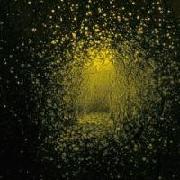
Green to Gold - secretly the best Antlers album - arrives
Blight, the band’s seventh full-length LP. Like each of its six predecessors,
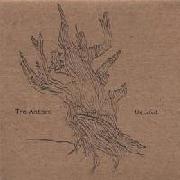
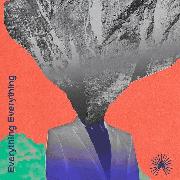
Blight requires you to peel away layers. On the surface, it is unembellished - plain, even. Yet, as each angelic vocal swell draws you slightly further in and each instrumental accent is given just a little more time to flourish, the record’s brownscale artwork begins to reveal depth, meaning…
character. I envision a vast mountain range in the sweepingly dramatic, orchestral strings that erupt midway through ‘Something in the Air’. I can almost smell earthy, green pines when beholding the epic, winding guitar solo which towers over ‘Carnage’. I can feel myself having a panic attack in slow motion on ‘Deactivate’ - its calm, melodic repetition acting like treacherous waves. There is both beauty and unnerving stillness emanating from
Blight, and if The Antlers’ sixth record saw summer fading into autumn with striking color, then
Blight sees the trees barren and the grass glazed with frost. It’s an experience that retains the natural beauty of
Green to Gold, but feels distant…colder.
Perhaps the themes of the album have something to do with that. Frontman Peter Silberman has stated that he was inspired - perhaps
compelled is a better word - by human interactions with the environment. It’s not a rosy picture, and his dreamy contemplations often take shape as sorrowful laments. On ‘Calamity’ Silberman wails, “Who will look after what we leave behind?” and proceeds about getting it right “next time” with the same sense of dread and guilt you might feel while bidding farewell to a terminally ill loved one. On
Blight, the sense is that there won’t
be a next time. It’s why the eerie stillness of ‘A Great Flood’ doesn’t feel the slightest bit peaceful: “Should there come a great flood / Drown out our decisions...May we be forgiven." With that line, there’s palpable remorse - he’s not speculating, he’s pleading with the forces around us, using an unmistakable biblical reference, to unmake us, along with the harm we’ve caused to the planet. You don’t need to be an environmentalist to be moved by his words, because you can feel the truth behind them. After all, even something as simple as childhood innocence has its unintentional destruction: “scooping up the tadpoles, left them on the pavement.”
Musically, those well-versed in The Antlers’ catalog will find plenty of recognizable traits, however different they may sound. Peter Silberman’s falsetto is still otherworldly, but a bit more mature and emotionally weathered. The backdrop is breathtaking, although not quite as dazzling as
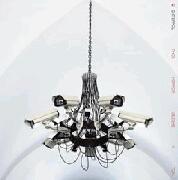
Burst Apart’s most starry-eyed moments and without the majestic horns that reigned supreme throughout
Familiars. The thematic unity is strong, but not as easily grasped as
Green to Gold’s straightforward seasonal arc. Instead,
Blight is sort of just
out there, lost and wandering in thoughtful isolation. The most direct comparison for this record may actually be
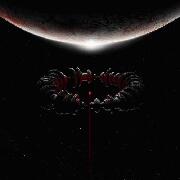
In The Attic of the Universe, because it just feels so expansive - but whereas that record felt macro in its search for celestial truth,
Blight is intentionally micro, taking in the smallest of observations in nature and seeking answers within.
Blight marks yet another step into stark
weirdness and general inaccessibility, which is perhaps the most Antlers thing of all. They reinvent themselves with each release, refusing to succumb to habit. The longer an artist treks into their musical career, the more difficult it is to resist that ever-inviting urge to settle. Give The Antlers credit for continuing to go against that current.
Blight is mysterious, hushed, and often quite bleak, but I’m just glad they continue to
feel this passionately and write with so much purpose. That’s their secret sauce: there’s no bells, whistles, or trappings that can replace songwriting with an important core message. Once again, Silberman and co. deliver that incredible depth and meaning, with an earnestness like only they can muster.