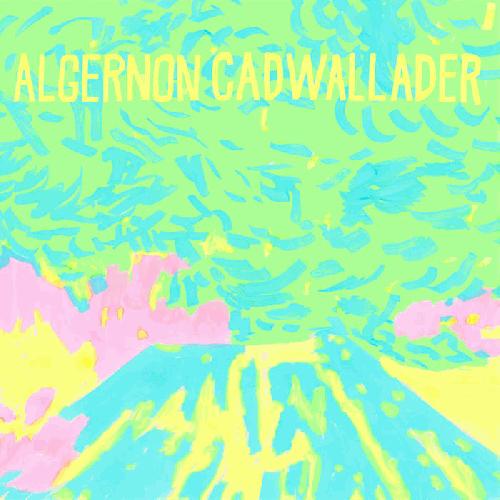
Review Summary: A now beleaguered whiskered leader of battle.
Algernon Cadwallader were the perfect forefathers of the emo revival scene. They took influence from the legends that came before them but had their own twists to create a fresh new sound that would inspire an entire movement. Emo wasn’t dead but by the mid-2000s it had morphed into something much more slick and commercial. The natural response was to create something scrappy, indie, and DIY to bring the genre back to its underdog roots. Nobody else quite did it like them. While most revival acts worshiped at the altar of American Football, Algernon were much more inspired by the superior Kinsella project Cap’n Jazz. Gorgeous mathy guitar licks, an imperfect but incredibly passionate yelpy vocal delivery, sing-along choruses, unconventional off-the-wall lyrics and a distinct punk edge combined for one hell of a complete package. A true five-tool player who put out two of the genre’s seminal releases. Classic emo bands were often short-lived and true to emo tradition, Algernon followed in those footsteps, calling it quits after only two EPs and two LPs in 2012 at the height of the movement they defined.
When Algernon Cadwallader announced they weren’t just doing tours and one-offs but were actually dropping a new album, I was filled with mixed emotions. On one hand, I was excited to see one of the best bands in the genre back in action but after 14 long years since
Parrot Flies, I couldn’t help but raise an eyebrow. The world is a vastly different place now. Emo revival as a movement met a slow death and the members are now in their 40s, which in emo years might as well be geriatric. The fun youthful exuberance of yesteryear has been replaced with the harsh realities of adult living.
Comeback albums to me are always inherently interesting, obviously, as I reviewed two other ones this year. They force bands as well as listeners to reckon with the passage of time and how that time has changed them, especially after such a lengthy hiatus. The fork here usually is: do you try to desperately recapture your youth in embarrassing fashion or, do you evolve as artists and people?
The lone single and album opener “Hawk” is exactly what I was hoping for from a new Algernon Cadwallader album: a wonderful trip down memory lane which feels like a truly logical continuation that grapples with the passage of time. It’s a song about the loss of a friend and the cherished high school memories that persist. It’s appropriately meditative while still retaining the charm the band has always had with lyrics about silly high school moments that now mean everything. Of course, they retain their signature guitar sound full of complex arpeggios, hammer-ons and finger tapping that still delight to this day and this song is chock full of them. They have clearly aged and it is tempered down, but there is still a bouncy energy to the track. The repeated head-bobbing melody paired with hooks that stick is just classic Algernon and really raised my expectations.
As I proceeded into the rest of the album, I quite quickly came to a sad realization: I was bored, just patiently waiting for the album to conclude. This is certainly a feeling I never expected for the band but track after track I kept waiting, but save for a few fleeting moments, nothing really came. I totally understand not wanting to go back to the well again but the manic energy that they built their reputation on has now become neutered with most of the rough punk edges sanded off. There is still an undeniable technical guitar virtuosity on display but it really means nothing if it doesn’t make you feel something. I can’t deny there is still an energy to the vocal performance here even if it is more softly delivered and even-keeled but the biggest issue for me is it just does not match the energy of the almost sleepy guitar dweedling unlike on previous albums where guitar and singing worked in perfect synchronization to create a fascinating dichotomy of serene beauty and unbridled chaos. Those albums were also interesting genre-wise with pop-punk, post-hardcore, slacker rock, post-rock and even a dash of post-punk keeping things fresh while
Trying Not to Have a Thought is much more one gear with no real surprises or innovation. It feels constantly stuck in neutral midtempo that I kept waiting to explode but alas, the spark just isn’t there.
This is best displayed on the three song streak of “What’s Mine”, “noitanitsarcorP” and “Koyaanisqatsi”. Even in their heyday, I found Algernon’s longer tracks to be weaker than their shorter, more direct ones. I always thought the band really excelled at short, punchy, and downright electrifying tracks with enough energy to burn a house down like “Some Kind of Cadwallader” and “Pitfall”. “What’s Mine” bloats to six minutes with half of it taken up by a stripped-down acoustic version of math riffing that just drones on and on, it’s incredibly simplistic with a hook that starts to grate. Eventually the electric guitar takes over and builds to a lethargic, flatly delivered phrase repeated seven times to conclude a dull track. “noitanitsarcorP” has a cloying, elongated hook with a simple chord progression that gets stuck in your head in a bad way and is something I would expect out of a lesser band. Finally, “Koyaanisqatsi” feels like the quintessential exercise in aimless guitar noodling with the song occasionally perking up with bursts of energy in the hook, only to sink back to sparse and meandering passages which had me ready to put on my old timey sleeping cap and head to bed.
One of the larger changes on
Trying Not to Have a Thought is lyrical, swapping the band’s signature Midwest emo witticisms, quirky non-sequiturs, and charming nonsense for direct, blunt-as-a-sledgehammer political commentary. Lyrics I can usually take or leave, honestly, but that wit was their calling card, standing out in a sea of twenty-somethings immaturely whining about trivial issues. They were broader, more interpretable, and downright relatable. There was a fun sense of adventure in deciphering the absurdity. It was poetic and abstract yet filled with meaning. “Hawk” was more direct but captured that vibe nicely with strong imagery that makes me wonder if it had been written during a different time. Trust me, I understand that a fourteen-year gap changes things. Nothing is more downright cringeworthy than forty year old men still writing over the same angsty subjects and to their credit they didn’t do that. It’s commendable to write about values but I will almost always take issue with it being expressed in such an unbearable manner. The lyrics in “Revelation 420” feel like juvenile commentary, loaded with obvious observations from a teenage stoner. The title seems self-aware, but being self-aware doesn’t excuse it. “Attn MOVE” is a better attempt this time telling an interesting piece of Waco-esque bungling of police work that I surprisingly didn’t know of, but it doesn’t really fit their style of music and feels more like slam poetry. It’s all just a bit clunky.
Adding to these shifts, there was a large change in production here going for a cleaner and polished feel compared to their previous more raw feeling albums. It does make sense given their direction but I just crave a bit of personality in the bedroom-esque production. Vocally, the change felt very noticeable. Instead of being buried, the vocals were pushed to the front of the mix and the focus was more so on them than the gorgeous guitar work as it was previously which I felt was an odd creative choice. They are even isolated at points which makes the lyrics really stand out where I probably could’ve overlooked them otherwise.
There is a lot to truly admire about
Trying Not to Have a Thought: the passion and technical wizardry on display, along with subtle musical maturation that is absolutely sincere and genuine. There was a swing here that I respect, but it’s an absolute letdown that I didn’t connect with it. But let’s face it, emo is a young man's game and there's a good reason most classic emo bands disbanded incredibly young. Algernon Cadwallader lit the spark for their generation. Rather than wistfully chasing nostalgia, it’s time to let the next generation take the reins and hopefully birth something as innovative and fascinating as Algernon Cadwallader once was.