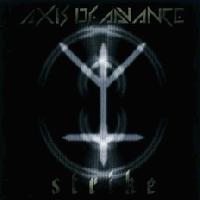
Review Summary: The first step: to understand the fear
Canadian war metallers
Axis of Advance were born out of change. More specifically, after vocalist/drummer Paulus Kressman departed Sacramentary Abolishment to start a solo project in 1998, bassist Chris "Vermin" Ross and guitarist Jason "Wör" McLeod decided to recruit future Revenge studio frontman James Read to take his place, and discard the former name in exchange for using the title of what would have been the third Sacramentary Abolishment album for the "new-ish" lineup. With the album name elevated to the band's name, the three began work on what was essentially their "wipe the slate clean" album,
Strike, which takes a lot of the standards of war metal, beats them upside the head until it cries uncle, and mixes in some brutal and melodic death influence for good measure to create one of the finest albums in the genre.
While the music takes cues from the death metal side of things,
Strike's vocal style is unmistakably rooted in the black metal side. Even though there are the standard war metal growls peppered within (most notably on "Curtailing Factors of Interference"), for the most part grim, raspy roaring in the vein of Darkthrone and Immortal is the name of the game here, along with making vocals out of a
death rattle on "Primeval Expansion" for a rather creative mixture of black and death. Read's drumming is also a major highlight, his unmistakable hammering sounding more like he's firing off a machine gun than smacking around a snare drum and elevating the backbone into something that really fit the band's goals of creating, in their words, "freaked-out, hyper and evil metal". McLeod assists in keeping the instrumental side varied by including slower sections amongst the more speedy parts, such as in album opener "Evanescent Judgement of the Last Era", the entirely instrumental "New World Ruin" (which focuses a bit more, but not much, on the band's slower side), and "Structural Interpretation Via Superfluous Union", the latter also tossing in some melodic female cleans, which does a great job of preventing fatigue from setting in.
Clocking in at seven tracks that total around 42 and a half minutes,
Strike comes in, leaves the impression it wants, and departs. Lyrically,
Strike consists of tales of battles and history within, and not much else. It's bog standard lyricism for the genre, with lines such as "Earliest relevant records recall / An eastern double isle / It ended in the 2nd global war / It was the beginning of the earth sun era" and "Alone at last to see / From dream-state to reality / The power to nix the sphere / Assured destruction now complete" basically showcasing exactly what you get Even though
Strike is obstensibly a concept album, the story it tries to tell suffers because of the lyricism being so standard. Production is the standard muddy, albeit appreciated bass-heavy production, although it hammers home the fact that Ross's bass is more or less following McLeod's guitar note for note. Despite these minor flaws,
Strike succeeds in setting itself apart with both its variation as well as the fact that it does exactly what it sets out to do: bringing out hyper, evil war metal, and it does so in a way that few other bands in the genre can match.