Review Summary: A new chapter of nature in and out of metal
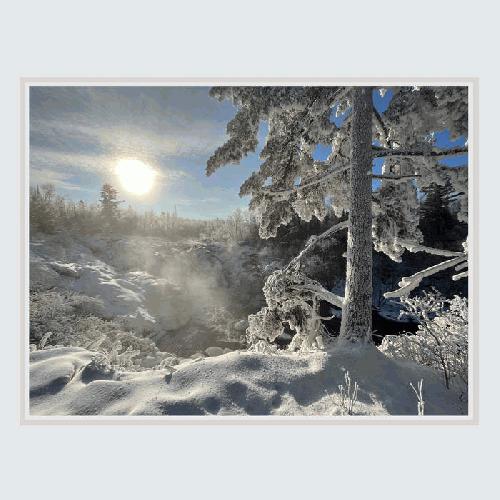
Metal is not separate from nature. It is nature. Those who have felt feel it: blast beats echoing like thunder across mountain ridges, riffs churning like rivers carving valleys, and demon shrieks soaring like wind tearing through pines. Yet thinking that nature is only metal misses its quiet breadth, the silence of snowfall, the stillness of a heron on black water, the hushed rhythm of falling leaves. The twang of acousticals. Metal is the storm, the fire, the restless pulse of earth’s upheavals and maybe even the spark of life itself, but around it live softer cadences—the moss, the dusk, the hidden roots—that hold equal weight. Panopticon's work to date is rich with this, of all that is real and can be felt, reminding that creation isn’t just fury; it’s also patience, fragility, and cycles beyond the human roar.
And now, a new chapter. Until now, Panopticon has gazed beyond metal and conversed beyond its rimed border but never fully placed both feet beyond that frontier.
Laurentian Blue is the moment when Austin Lunn does exactly that. It is an album that commits wholly to the folk and Americana threads that have always been present in the Panopticon of lore, but here they are not interludes or companions—they are the tale itself.
This shift is not a retreat from intensity but a reconfiguration of it. The raw power that once battered us in blast beats and distortion is now carved into the grain of Lunn’s voice, scraped from the touch of bow against string, felt in the intimacy of resonant acoustics in a room we might as well be standing in. Where earlier albums channeled grief and defiance through the wind-parched wilderness of black metal,
Laurentian Blue rebirths those emotions in sparseness, patience, and vulnerability. The themes are familiar to Panopticon’s canon, but as with any rebirth, the infant form demands care and attention. Precious and mewling folk songs.
This album feels less like an aside within Panopticon's discography and more like a necessary event.
Kentucky planted the seeds of folk as protest and place-based identity, while
The Scars of Man tested the dialectic of tremolo and twang.
Laurentian Blue is their natural conclusion, an acknowledgment that the quieter expressions of nature and memory carry just as much weight as the thunderous ones. We hear this best in the stirring "Ever North" and in the momentous album highlight "An Argument With God", a track that demands the listener listen closer and closer with each passing second, rewarding them every step of the way.
It is tempting to chart the album as a break with metal, but perhaps it is truer to see it as another face of the same elemental force. Metal was the storm,
Laurentian Blue is the aftermath, the melancholy resilience that follows upheaval. Together, they form a quintessentially Panopticon premise: music, like the natural world it mirrors, contains multitudes. All are needed to tell the whole story, but for this chapter Lunn tames the beast he once fashioned.