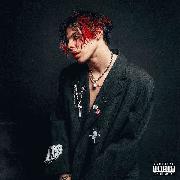
Review Summary: A celebration of the Idols
Which mainstream musician starts their album with a 9-minute song that sounds like three different tracks merged into one? Doesn’t Mr. Yungblud know we suffer from attention deficit, that we prefer the simple, the digestible, the short when it comes to radio rock? And what are those old-school guitars and that solo that feels a bit like Aerosmith? It seems the young Brit hasn’t gotten the memo that hard rock is dead.
Good. Because with his fourth release, he managed to ignore expectations and pay tribute to his heroes in the most “his own” way—heroes who also happen to be our idols. In Idols Pt. 1 you’ll find the carefree melodies of Blur, The Verve, and Oasis, the catchy hooks reminiscent of U2, the restless spirit of Queen blending different styles with flair, and the over-the-top aristocratic ambition of David Bowie. All of this sprinkled with that same dust that once lingered in pop music that feels, thinks, shares, and expresses.
Fearless at 27, Dominic Harrison didn’t flinch when looking the titans of the British scene in the eye. He dares to shout that he’s seeking his own voice through their timeless lessons, in an age where nothing feels new, nothing moves us anymore. Everything sounds familiar to the experienced ear—an ear constantly bombarded with information, letting nothing and no one pass through its defensive shell.
“Zombie” is a love letter—addictive like the old days. It sounds as if it’s written for each of us who worries whether love eventually fades. Of course it does—we all know that. But for the few minutes the song lasts, we forget. Did you miss Bowie? Well, Ziggy lives again through “Change,” and the scream accompanying the solo might be coming from the other side—perhaps someone up there is smiling. The Cure may have visited us last year to remind us how great they are, but the totally Robert Smith-esque “Monday Murder” feels fresh. It’s not a visitor from the past—it’s the present, speaking a language you understand, but telling its own truth.
The moment “Ghosts” starts playing, you realize you’re holding a song in your hands that U2 could’ve written at their peak. Enjoy it—it carries the spirit of mainstream rock when it wasn't afraid to be adventurous. By the time you reach “War,” the comparisons stop. You hear a fully matured artist carving out his own path. The Eastern-inspired intro and the playful tone in his voice will stick with you for days—I promise. Just before the end, “Idols Pt. II” and “Supermoon” blend together like the track Oasis forgot to write, featuring Elton John in the legendary Abbey Road studio. I could go song by song, because no matter how many times I’ve listened to it, not a single track was skipped—but maybe that’s not the point.
What really matters is that I feel the person behind the microphone—like with every great rock album. Yungblud is a chameleon, leaping between genres with ease thanks to an incredible voice and expressive power. He’s hungry to conquer the world, made from the same stuff as the “greats,” yet still different. He sings like the guy next door—a tormented soul who decided to claim his place in the music industry as a new-age rock star: sensitive, aware, fragile, like the kids he sings for—those whose souls have known pain.
If that’s what a new-generation rock star looks like, I’ll take it, even if I’m a boomer raised on the untouchable, godlike icons of rock.
Somewhere deep down, I believed the time when such an album could reach your doorstep through the mainstream had passed for good. But this kid managed, with Idols Pt. 1, to compose a musical celebration—a reminder that the inspiration of our idols can become the voice of today’s youth, when they dare to bring them into the present with boldness. And Yungblud does that—with conviction.