Review Summary: The Pope is dead, all hail Papa V Perpetua!
Only Ghost could release a new album four days after the death of Pope Francis. Is Tobias Forge some sort of clairvoyant of our times? Is American VP, JD Vance, an agent of the Ministry sent on a mission to lay down the foundations for the coming of the new head of the dark Church, Papa V Perpetua? I don't have the answers to these mundane questions but what I do have is an opinion on
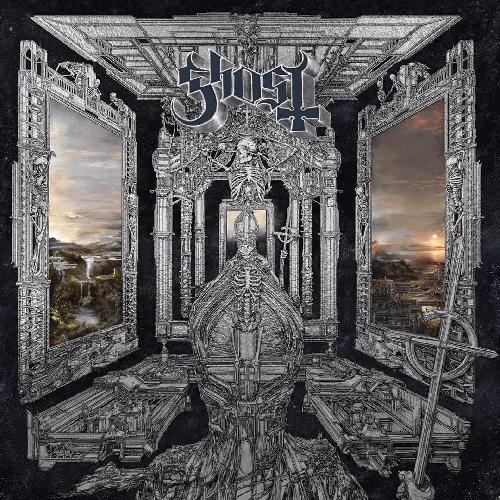
Skeletá, the sixth album of Swedish spooky dubby rock band Ghost, and whether you like it or not... anyway, hear me out.
With ex-Pope Cardinal Copia relegated to be a mere paper pusher against his will, flashy new costumes for the whole crew and a new Pope who can finally smile under the mask, Forge had a golden chance to pull an 180 with this new album and stray away from the 80s hard rock that has been so prominent in the band’s last albums. Many have been craving more of that satanic panic thing that gave "Mary on a Cross" seven hundred fifty million streams only on Spotify, partly thanks to Stranger Things and Tik Tok, but nope. It seems that Tobias has found his sauce, and he’s just never going to dip in other bowls. So rejoice if you’re an aficionado of the pomposity and grandiosity of
Impera and
Prequelle, because Forge has more of that for you, your mum and the whole neighbourhood if so you wish.
Skeletá opens up Ghost's new age with an angelical chant announcing what is my favourite track of the album and the latest of the three singles released. "Peacefields", which has just received the video treatment at the time of writing this review, might remind you to many things: Journey, Bon Jovi, and half of the American rock catalogue circa 1985, and that's ok, because it’s a song that accomplishes the mission: starting the album with an absolute banger. No surprises here, since this has been a constant in every album released by Forge and co. From the days of "Con Clavi Con Dio" and "Spirit", to recent openers like "Rats" or "Kaisarion", Ghost has always put emphasis on the first impression and in that regard, "Peacefields" will have you nodding and vibrating since the first chord.
Since the three singles for the album were published as a countdown, the album follows up with "Lachryma", a song that Forge himself has claimed is his favourite on an interview with Metal Hammer (which I’ll link below in the comments), and there’s good reason for it. "Lachryma" is indeed a great song, something between Vixen’s "Crying" (I’m sure I’ve heard that chorus before) and even fellow Sweds, Europe, but of course, with an 80s horror film twist. "Satanized" must be carved deep into the fanbase's psyche by now since it was released as the ambassador to Ghost's new era and even if it's essentially an older track, it works great in the context of this album. With these three tracks fronting this new record, one goes into
Skeletá thinking that Ghost has managed to capture once more the magic of the 80s, moulding it to fit their brand of Halloween themed rock to create a new set of arena anthems for the masses. For the most part, this is true, but there are... a couple of caveats.
The inclusion of two ballads, "Guiding Lights", which hinders dramatically the momentum of the album, and "Excelsis", which closes the album in Scorpions' fashion, is probably not the greatest idea that Forge had for
Skeletá, especially considering that the former could have been instrumental. I don't have a problem with metal ballads, hell, this comes from someone that grew up thinking Winger’s ballads were incredible stuff, but no matter how positive my pre-disposition is when going into these two, I just can't wrap my head about them. Both songs are beautifully produced, I’ll concede that, but I have a hard time resisting the urge to skip right into "De Profundis Borealis", which fortunately picks up the pace and even turns the heat up a notch being one of the most aggressive tracks of the album. In the above mentioned interview, Forge claimed this was their "black metal" moment (yes, people, he knows this is not black metal), but it’s supposed to feel like... being stuck on a blizzard. Oh well…
Before we talk about Tobias' "love rockets", I should adress Ghost's unapologetical Status Quo moment with "Cenotaph". Forge has always included at least one rarity on his albums that feel like the black sheep of the herd, it happened with "Twenties" in their last album for example, and it happens again with this new release. It’s a nice change of mood, definitely far from being the best thing on the record, but if it was meant to bring some variation to the album, it certainly does so. By the way, it actually includes a killer guitar/keyboard duo that is more than enough to justify its inclusion. And then we have "Missilia Amori".
Ay, ay, ay Tobias, "Missilia Amori" is the moment where many will tap out, cry, laugh, twist or all at the same time. Personally, I don’t hate it, how could I? That reversed snare brings me back, oh… so back, and then yeah… a chorus about love rockets. I feel that this is the song where Forge just wanted to see how hard he could push the band into the less known side of the genre, stuff like Marcie Free's Signal, and still get away with it. It is the album’s lustful moment, and it’s guaranteed to give an excuse to new frontman Perpetua to unleash his demonic piercing pelvic moves on stage to the delight of his ever thirsty audience. "Marks of the Evil One" and "Umbra" (I hope you like cowbells) could have easily been singles, they’re that good, and they solidify
Skeletá as a worthy new chapter in the history of the only mainstream band that is able to sing about Satan in stadiums while having the ultra catholic zealots silent as a grave.
Ghost is no longer hiding their influences, in fact they have incorporated them so seamlessly into their being that reminiscing about Elizabeth rotting in the castle just feels dated and boring at this point. I embrace 80s Ghost with all my being, but I’m pretty sure I’m the target audience. Forge still has plenty of people to convert to his machinations, but
Skeletá is as honest as a proposal can ever be, a thrilling album for the most part with outstanding guitar work and astonish vocal production that sits incredibly well with their rest of their discography, and for the Ministry that is good enough reason to replace a Pope.