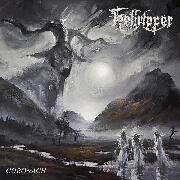
Review Summary: Sparks of chaos, unraveling at the edges.
Initially venturing as a brutal death metal act under the name Deadly Remains and having released one album in 2012, the band’s rebranding to Burning Palace also brought a newfound focus on sharper technicality, shedding their past in favour of something bolder. The debut
Hollow was full of grotesque, twisted riffs, and didn’t miss the mark on intensity as it exercised more progressive frameworks. Claws have been honed even further with the second album
Elegy, offering a more expansive sound that juggles melody, structure and distortion without breaking a sweat, and flows in unexpected directions as if by now it’s an instinct for the band.
What the album embodies is a well-grounded take on technical / dissonant death metal that fits well into the lineage of artists that emphasize compositional fluidity rather than just sheer force. Burning Palace understand that tech death is not always about fretboard gymnastics - it’s about momentum, tension, and elegant continuity that they have achieved fairly well with
Elegy. The album is undeniably suffocating and aggressive, yet often exerts strangely uplifting energy and blends occasional eerie, melancholic lines with a natural propulsion that makes even its most disorienting moments feel like part of a greater design. The most direct aural references to this approach are bands like Artificial Brain, Afterbirth and Sunless, which are all names that should quickly come to mind when
Elegy kicks in, but still it’s not a mindless reproduction. The record also has a sound that is less crisp but more natural than in
Hollow, which helps a lot in appreciating all that has been conceived here, and in offering a more fulfilling listening experience.
Tempos shift at breakneck speed as
Elegy seems to constantly teeter on the edge of collapse, yet always maintains its balance and never feels impenetrable, despite its foundations on chaos. Opener “Birthing Uncertainty” is one of the album’s highlights, while the longer pieces “Traversing the Black Arc” and “Awakening Extinction (Eternal Eclipse)” emphasise how unpredictable but cohesive Burning Palace can sound, with a barrage of scourging as well as more melodic guitar lines that are complex on the one hand, but not unfathomable on the other. However, the noticeable, surprisingly hard leanings towards major-scale brushes, in my opinion, thwart the album’s more ominous (and excellent) undercurrents. This, combined with how the tracks tend to blur together a bit, means what’s memorable instead is a certain set of moments here and there (e.g. the masterful solo in “Suspended In Emptiness” or the calculated Morbid Angel-like grooves in “Sunken Veil”) that actually stand out.
Elegy is left just a shade less distinct than what it could be, even as it dazzles in the moment with its technical prowess.
I couldn’t help but think that the less frenzied “Malignant Dogma” is the least interesting tune among all, but when the band almost falls into a mathcore pothole in the first half of the last, self-titled track,
Elegy is granted a triumphant closure that leaves a positive final impression. With its unrelenting nature, the album’s fashioned pandemonium still feels intuitive and not at all sterile. Burning Palace’s warped identity continues to take shape with
Elegy, a wonderfully visceral but slightly stretched work of atypical technical death metal that should at least keep the already demanding listeners of that particular niche on their toes.