Review Summary: Yeah, the fall is comin’
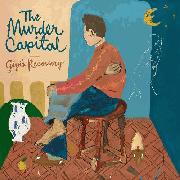
Back in 2023, following a solid debut, The Murder Capital released an impressive sophomore LP and I felt ready to crown them one of the most promising acts of the current post-punk landscape. That album,
Gigi’s Recovery, managed to combine a sense of nocturnal urban menace with hefty doses of melody, all presented within creative song structures. There were still some flaws present, sure, but as a relatively new act, it marked a massive show of promise.
Reading through the promotional materials for
Blindness, the follow-up release, it’s abundantly clear that the musicians themselves were less enamored of their previous work than this reviewer was. Frontman James McGovern describes
Gigi’s Recovery as “
an overwritten record", and, without mincing words, expresses a desire to create songs going forward which “
piss or get off the pot”. All around, it’s evident that The Murder Capital would like a fresh start, a reinvigorated way of making tunes which allows them to move past what’s been a tumultuous period within the group and in the world at large.
This feeling of reaction, of a whiplash against the more elaborate designs of the last album, is omnipresent on
Blindness. The band’s latest stands as a collection of straightforward tunes, delivered as they are without undue varnish. Opener “Moonshot” might give a mistaken impression of an album chock full of energetic post-punk bangers, but the truth is that, while the songs here might be sonically diverse, ranging from upbeat rockers to more dissonant pieces to subdued balladry, every track manages to speak for itself without pretensions. The eleven tracks are reliably “to the point” - in most cases being marked by rather short durations, but even a lengthier track like the six minute “Love of Country” presents itself as a lyrically-focused (and savagely biting) slow-burner without excessive flourish..
Ultimately, this approach suffers a bit from the incoherence of the tracklist - again, it resembles a collection of songs vs. the Platonic ideal of an “album as art form”. And a few of the tunes might be found lacking - the repetitious delivery of the titular phrase in “Born Into The Fight” grinds my gears, for one thing, and “Death of a Giant” feels a bit undercooked, despite being written about Shane MacGowan’s funeral, something I’d imagine being an epoch-defining event for Irish musicians. But, thank heavens, most of the songs are pretty great. “Words Lost Meaning” is a clear-cut highlight, grim but immaculately catchy, “A Distant Life” is brooding but builds upon a foundation which wouldn’t feel out of place in a Faces or Stones song, and “The Fall” is the kind of vicious post-punk tune which forms the band’s bread-and-butter.
As previously noted,
Blindness doesn’t necessarily come together in the way a record ideally would, despite the fact that the songs are largely high-quality. Nonetheless, I’m quite intrigued by the record’s final stretch, which notably improves the overall feeling of this release. After the aforementioned “Death of a Giant”, the album’s final three songs lapse into an increasingly sparse sense of beauty. By the time closer “Trailing A Wing” concludes the proceedings, The Murder Capital’s typical grimy trappings have merged with a kind of ethereal prettiness, and every note played has gained a striking resonance.
Blindness might ultimately be assessed as the discordant results of a band eager to move ahead to the next chapter after being burnt out from incessant touring, but this final segment suggests they may have found direction once more in a gentler, more delicate, path. Is that where they go after
Blindness? I guess we’ll see.