Review Summary: Only Dawson can make collapse sound so hauntingly beautiful
I don't think I need to explain to y'all how shit is hitting the fan really hard right now, but what I can do is telling you to listen to one of the most relevant songwriters of our times: Richard Dawson.
The End of the Middle continues his streak of deeply conceptual folk albums, navigating the liminality of collapse - whether this collapse is societal, personal, or even musical. Dawson has a unique way with words to effortlessly capture the unease of a world teetering on edge, where past structures crumble, and the future remains elusive. And yet, Dawson's lens isn't purely macro; it also trickles down to the personal level, where one wrestles with individual disillusionment, the fading of purpose, and the weight of time. This all musically translates into arrangements that feel at once rooted in tradition and constantly on the verge of unraveling, blending Dawson's idiosyncratic folk with unexpected left turns. If past records of his, like
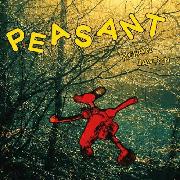
Peasant and
2020, zoomed in on specific moments,
The End of the Middle thrives in uncertainty, balancing past grandeur and future decay.
That sense of instability and decay extends to the music and its thematic core, particularly its scathing critique of capitalism: Dawson has long examined the effects of economic systems on individuals, from
Peasant's portrayal of medieval toil to
2020's vignettes of modern working-class struggle.
The End of the Middle is the natural progression of this idea, depicting a world where the illusion of stability has entirely collapsed. Nowhere is this clearer than on "Boxing Day Sales", a track that turns post-holiday shopping chaos into a bleak, near-apocalyptic scene of frenzied consumerism:
"A writhing mass of elbows, and shrieks, and hands like claws" . Moments like this showcase Dawson's mix of absurdity and brutal realism - an everyday event transformed into a grotesque reflection of late-stage capitalism. Dawson's signature bardic storytelling makes the surreal feel eerily tangible, like overhearing half-finished futuristic-but-not-delusional myths in a smelly tavern.
That same instability bleeds into the album's sound. The record bridges his folk roots with the off-kilter experimentation of
Nothing Important, like the little dissojazz apparition on the otherwise folky "Bullies". All tracks veer between tender, sweeping melodies and moments of raw, unhinged dissonance (sometimes both in the berserk vocal melodies in "Knot"), reinforcing the record's central theme: transition rarely feels clean. And like the themes it explores, the album itself isn't a seamless transition - sure,
The End of the Middle might not be as breathtakingly immersive as
Ruby Cord or as transportive as
Peasant, but it further cements Dawson's place as modern folk's most fascinating auteur, turning historical echoes into something eerily prophetic.
s