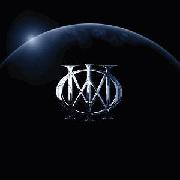
Review Summary: The more things change, the more they stay the same
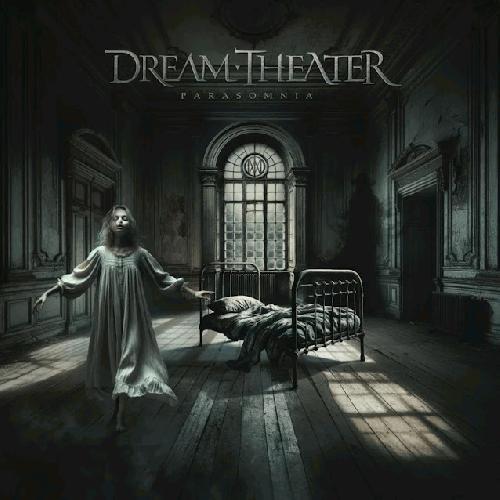
With Mike Portnoy’s return drumming up (pun intended, I am not sorry) much of the hype behind Dream Theater’s sixteenth album, it makes sense for it to feel like a homecoming. While Parasomnia isn’t the old school throwback that its cover art’s dark mirroring of the Images & Words bedroom would suggest, the presentation seemingly tries to encapsulate everything that the prog institution represents. This is taken to an amusingly literal level with the lyrics all being about sleep and dreaming, a move that I’m a little surprised they’d never actually committed to before now.
Much like Opeth’s will reading last year, Parasomnia isn’t revisiting an old school style so much as just reincorporating a few old techniques into their modern template. The musicianship and structuring sensibilities are right in line with what the band had been doing with Mike Mangini on board, the ominous mood comparable to 2019’s Distance Over Time while the exuberant playing is directly carried over from 2021’s A View From The Top Of The World. Portnoy’s unmistakably muscular beats bring the sort of bite that had been lacking since his departure and the other musicians are no doubt jazzed to play with him again, but you can tell they’re continuing on what was already built as opposed to a full reset.
That said, it’s hard to remember the last time a Dream Theater album was this emotionally-driven or committed to its atmosphere. There’s a melodramatic flair at play that hasn’t been seen since the late aughts as the thematic soundscapes throughout reinforce an appropriately nightmarish overcast while the dynamic shifts and vocal lines have a more overtly narrative bent. Moments like the disorienting ambiance on “In The Arms of Morpheus” or the dissonant riff that opens “A Broken Man” do a good job of denoting a given mood while long-form tracks like “Dead Asleep” and “The Shadow Man Incident” seem content to ride out their spooky storytelling vibes as much as any sort of showing off.
However, Parasomnia is also beset with the sort of songwriting that plateaued their other recent outings. “Midnight Messiah” comes the closest to channeling retro Dream Theater with numerous lyrical nods and charging chugs straight from Train of Thought, but something about how its structure comes together gets disjointed. The instrumental segments can be a double-edged sword, brilliantly establishing the emotions but also making it easy to lose sight of them when a random tangent pops up or a solo section goes for too long (but then I suppose that’s always been a thing with them). It probably doesn’t help that poor James LaBrie remains the band’s perennial scapegoat, his otherwise decent performances crippled by a diminished range and largely unmemorable lines.
At its core, Parasomnia is an exercise of how the more things change, the more they stay the same. It’s the best Dream Theater album since 2011’s A Dramatic Turn of Events by default and has more personality behind it than anything they’ve done in fifteen years, meriting the excitement for Portnoy coming back. But with the songwriting and style still coming off too safe and sterile, it’s also apparent that this shouldn’t be seen as some kind of magic cure-all. As much as I’d love for this to be a bizarro marriage of Scenes From A Memory-style framing and Systematic Chaos’s cheesy fun, it falls short of either aspiration. Folks beyond the diehards may wonder what the fuss is about but it’s ultimately a pretty solid listen.
I find myself wondering how Dream Theater will endure going forward. Having their longest-running lineup back together is certainly a boost of good will but the quirky sense of adventure that defined their most iconic efforts still needs to be reclaimed. Alas, it’s easy to imagine them merely coasting by on personality in the faces of continuing stagnancy and strict adherence to brand recognition. Cynicism aside, I can’t deny it’s neat to see them come full circle.