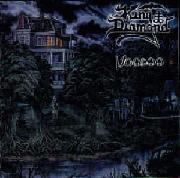
Review Summary: Low key one of King Diamond’s best albums
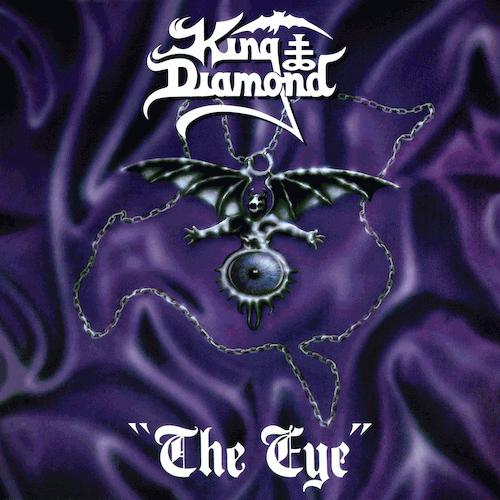
King Diamond’s core template may not change too drastically over the years, but 1990’s The Eye may be one of his more unique albums overall. You’ll certainly find the expected musical tropes, but they come with a noticeable sense of restraint as the tempos and performances are seemingly scaled back compared to the last couple albums. Fortunately the group’s signature theatrics remain undeterred; in fact, I don’t think the King has ever sounded so committed to the atmosphere as he does here.
A reverb-heavy production along with some adjustments in the band dynamic make for an interesting presentation. Much has been made of the electronic drum kit being used but I find it works well here, boasting a cool booming echo and Snowy Shaw certainly shows off some solid prowess. The heightened keyboards also give the album a more symphonic flair that goes well with the less abrasive vocals and elegantly dark guitar work. The album sounds like it was recorded in a church and I love every bit of it.
Speaking of which, the album’s French Inquisition narrative suits the music perfectly. The focus on allegedly true events from the time period results in a more solemn tone compared to the King’s eighties efforts while the fictional framing narrative of a cursed necklace’s divinations helps it fit right in with the established aesthetic. This sort of style may still lend itself to some silly moments regardless of intent, but The Eye is decidedly less campy than Them and Conspiracy.
And with the songs opting for a leaner approach comparable to Them, the songwriting is similarly tight. “Eye of the Witch” is one of the band’s more understated openers, balancing thickly lathered organs and a doomy riff set with a catchy verse/chorus stomp. “Burn” feels like a successor to “Cremation” with appropriately fiery shredding bolstered by pounding verses and complementary strings while “Two Little Girls” is a keyboard-driven track that avoids filler interlude status courtesy of its ominous melodies. “Behind These Walls” and “1642 Imprisonment” also stand out for their power metal drive while “The Trial (Chambre Ardente)” and “The Curse” make the most of their plodding murky darkness.
While The Eye tends to be overlooked in King Diamond’s overall discography, it ultimately stands out as one of his strongest albums. I find it comparable to something like Candlemass’s Chapter VI or Black Sabbath’s Tyr, admittedly dated in spots and lost in the shuffle of the contemporary zeitgeist but ultimately offering grandiose quality to those who seek it out. It offers everything that fans would come to expect from the King through a unique lens and does a splendid job of capping off their classic era before Fate would have its way…