Review Summary: I felt it growing in me, now everything is gone
Perhaps it’s inevitable to lead off a review of
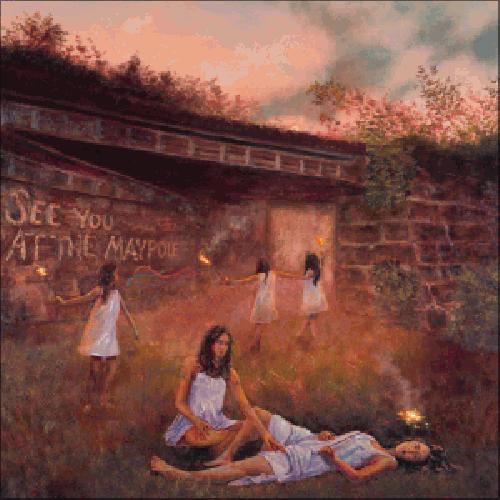
See You At The Maypole with a reference to the most striking component of its backstory - the traumatic miscarriage Half Waif’s Nandi Rose went through in 2021. It’s the type of event that is horrifyingly visceral, even from my perspective as a childless man - the experience of expecting a newborn and then having your blooming hopes ripped away. It’s undoubtedly a deeply personal tragedy, and one I feel uneasy lingering upon, but the event also deeply informs this record - a set of songs crafted in the aftermath, contemplating the unthinkable, charting an unmapped path ahead.
Indeed, sorrow looms like a specter over much of Half Waif’s fifth LP, and if you can listen to opener “Fog Winter Balsam Jade” (among other tracks) and don’t feel pierced to the heart, you’re made of sterner stuff than I. But the real triumph of this album is its ability to blend that mournfulness with vibrant depictions of the natural world, steadying in their rhythms. At times, Rose seems to feel alienated from what she observes by her grief, at others she’s able to take comfort in the beauty of an unveiling season, or a gorgeous evening, or a kingly bird. Through it all, though, there’s a poetic sense of lyricism which manages to connect the workings of a single soul with themes universal to humanity, in compelling fashion. The soundscapes are no less beautiful - heavy on lush art pop arrangements radiating a warm luminescence. Even when the songs dip into more electronic textures, there’s a sense of pastoral comfort beneath.
My first experience with Half Waif was her previous effort,
Mythopoetics, a release I found perfectly serviceable and perfectly forgettable. Oddly enough, to these ears
See You At The Maypole is far more consistent in quality, despite being by far the artist’s longest release, at seventeen tracks and nearly an hour in duration. Sure, a few of the interlude-ish offerings may’ve been trimmed without significant issue, but the standalone songs here are mostly marvelous, and a full listen is a transcendent experience. Tracks like the stunningly beautiful “Figurine”, the devastating “Sunset Hunting”, and the elegant “The Museum” are worth the price of admission, but I suspect each listener will find their own favorites. The biggest potential gripe may well be the album’s tendency to fall back into a gracefully ethereal mode with limited variation, but this is by intent - on “Slow Music”, Rose sings “
slow music, I’m gonna write the kind that captures this kind of time”, and I can’t imagine a better description of what this album manages to achieve. It’s a reflective collection ideally suited for those musing on their own losses and gathering the strength to push forward. Closer “March Grass” is fitting, then - adopting a uncharacteristically propulsive style while leaning into the album’s titular imagery, a reference to the European folk traditions celebrating the renewal of warm weather. “
See you at the maypole”, Rose sings, and it feels like an invitation to the listener, and to all those bearing their own private burdens, to take a cautious step back into truly living, not just surviving. I’ll meet you there.