Review Summary: emo, indie, epic, drunk australians, etc.
One week ago, I had never heard of Ceres. To be fair, I had heard of
a Ceres (stylised as CERES), recommended to me in a mercifully brief interaction with a very drunk Portuguese guy last summer. I like to imagine a parallel universe, perhaps full of dwarf planets, where a very drunk Australian told me about the Australian band rather than the Brazilian DJ. That interaction would probably have been more pleasant (shoutout to drunk Australians), but I probably wouldn’t have followed up on it either.
Anyway, one week ago, I had never heard of
this Ceres, and I had no idea who Tom Lanyon was. I still don’t really know all that much about the frontman, and yet, I feel like we know each other all too well.
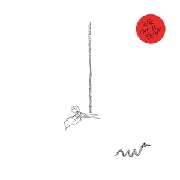
Magic Mountain (1996 - 2022) is the band’s first album in five years, and it is the most bewildering emo-tinged indie rock epic I have heard in a long time. It’s long as f
uck, traces the edges of lo-fi meanderings and nearly-questionable hook melodies alike, and somehow manages to feel more open and less intimidating than the average drunk Australian. It’s quite an accomplishment.
Three paragraphs in and I feel inclined to write “...where to start?”. It’s that kind of album: easy to describe, hard to encapsulate. In essence, there are two types of songs on
Magic Mountain: catchy indie rockers and low-key contemplative numbers. This former sonic mode puts forth the record’s most instantly memorable moments, with several songs featuring absolute earworms of choruses. However, Ceres’
catchy moments aren’t just striking because they are catchy. Lanyon is the kind of writer with the unique gift for turning dark, intimate observations into relatable and genuinely funny melodic phrases. It feels like
Magic Mountain’s coping mechanism of sorts: a record built around the singer’s nostalgia of moving back to his childhood area and trying to start a family there. It’s what allows songs like “Rhododendron” and “Want/Need” to surpass saccharinity into something that makes perfect sense - it’s 2020, the world seems to be ending as your life seems to be starting
for real, and somehow there is nothing and everything to celebrate. Why not package lyrics like “
my neighbour’s got cancer / they say she’s got a chance but the world is gonna blow up” in some of the most uplifting melodies The Lumineers could never get right? Why not embrace maximalism in a song titled “666” to shockingly great effects?
However,
Magic Mountain isn’t merely built around Lanyon moving back up a mountain and having lots of unprotected sex. It should’ve been, though: the grandiose coda “Sunshining” was supposed to be the closer to a 2021 Ceres record. Instead, the song is followed by the haunting “Holly Hill Store Est. 1920”, a lo-fi cut recorded by Lanyon moments after receiving the devastating news of a miscarriage. From this point onwards, a palpable darkness takes hold of the album: songs desperately attempt to recapture the wide-eyed nature of the first half, but instead feel dragged down by every relevant emotion. It doesn’t render the songs any less captivating, though. Quite the contrary: it allows the plentiful toned-down moments to slot in even more seamlessly. While not as instantly memorable as
Magic Mountain’s grandiose moments, they are the glue that keeps everything - including Lanyon himself - together. “Mercury in the Next Room” is a gorgeous meditation on existence, while closing cut “viv” is the only way an album as epic as this one could have ended: quietly, happily, and quietly happily.
Moreover,
Magic Mountain does not feel overbearing. In spite of its excessive runtime, the record feels rather conversational and receptive - an improbable quality possessed by drunk Australians, too. It’s more of an “hey, how’ve you been, here’s how I’ve been” rather than a straightforward trauma-dump: another aspect afforded by the record’s dynamic properties and Lanyon’s unique, oddly humorous lyrical approach. Hearing “
you had six short weeks of life in you” as a central hook in “Humming” is as harrowing as it should be, but the album does not set out to make you feel bad. Instead, it consistently readjusts its worldview as a result of such developments, while serving up excellent indie rock all throughout. On top of this, every sentiment contained within
Magic Mountain feels universally relatable, in spite of being hyper-specific to Lanyon’s life. It’s within each melodic twist that he makes his feelings make sense - for us, as listeners, but perhaps for himself as well.