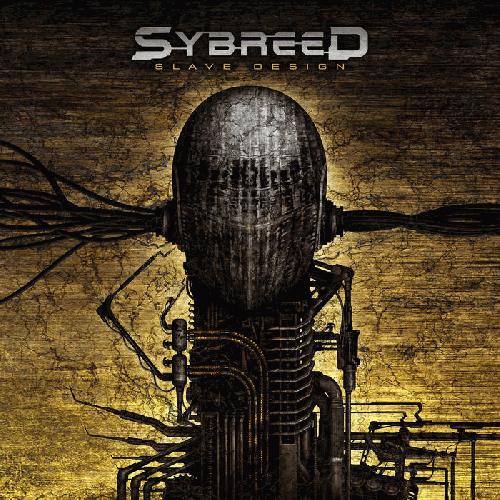
Review Summary: Slave Design's remaster enhances its distinct industrial metal sound, aging gracefully.
Sybreed’s debut,
Slave Design, has always been a favorite of mine. In 2004, the album was able to stand out by successfully expanding on the blueprint laid by classic records from Fear Factory and Strapping Young Lad, while fully embracing electro-industrial influences as well as introducing progressive elements and a strong sense of melody. It was an album that effortlessly balanced aggression with melody without ever compromising either attribute. If I had one minor complaint, it was that the production kind of fell flat compared to some of their peers (
Demanufacture and
City, in particular). Notably, the guitars and drums could have benefited from a sharper more mechanical sound, and overall, the mix was just kind of muddy. Honestly, though, the production never really bothered me after the first few listens, but that doesn’t mean there isn’t room for a (20th Anniversary) remaster.
To describe Sybreed’s sound around 2004, I’d call it a fusion of Fear Factory, Devin Townsend-style melodic screaming, the electronic melodies of Depeche Mode, and a hint of Meshuggah. What does that look like in practice? It’s the industrial metal of Fear Factory—with a mix of harsh and clean vocals, and precise double bass that locks in with the riffs—blended with Depeche Mode’s electronics, melodies, and melancholy. Add to that some of the off-kilter riffs and rhythms reminiscent of
Destroy Erase Improve-era Meshuggah, and you have
Slave Design. The track “Decoy” perfectly showcases this blend with its sharp start-stop riffs, quirky, twitchy rhythms, a prominent layer of electronics, a strong melancholic chorus, and ferocious harsh vocals. My personal favorite, however, is “Next Day Will Never Come.” It's one of the more melodic songs on the album, featuring a massive, catchy chorus, driving percussion, melodic keyboards, and a strong metallic edge. Of course, the real question is what about the 20th Anniversary remaster?
While the overall sound on the 20th Anniversary remaster isn’t a crazy significant improvement over the original, it is substantial enough to justify replacing the original in your collection. The most noticeable change is that everything feels bigger; the highs are higher, and the lows are fuller in nearly every instrumental performance. Additionally, the guitars are cleaner and less hollow, providing more separation from the bass. Overall, the updated sound creates space for nuances that were previously buried in the mix, particularly the cymbals and electronics, as well as certain instrumental frequencies. However good the remaster sounds compared to the original, it’s not until the final two re-recordings that you’re reminded that the album is still twenty-years old. “Bioactive (2024)” and “System Debaser” are on a whole other level in terms of sound quality and production, making me wish the band had re-recorded the entire album.
Sybreed’s
Slave Design remains a standout album that has aged gracefully, showcasing a unique blend of industrial metal that effortlessly merges aggression and melody. While the original production may have felt somewhat lacking compared to its peers, the recent 20th Anniversary remaster revitalizes the album with enhanced clarity and depth, allowing the intricacies of the music to shine through—though expectations of a miraculous transformation should be tempered. If the two re-recordings that close out
Slave Design demonstrate anything, it’s that new technology can only do so much to enhance a twenty-year-old album. Whether you’re a longtime fan or new to the band, the remastered version of
Slave Design is worth a listen. Even today, it stands out with its unique sound and blend of influences, now enhanced by a polished production that brings it into a new era.