Review Summary: Third time's the charm?
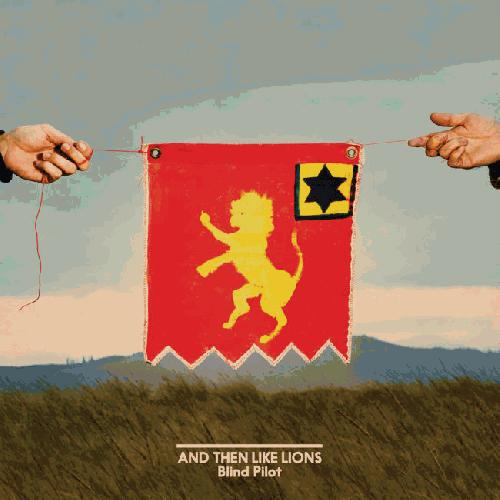
And Then Like Lions is a tough nut to crack. If Blind Pilot’s debut
3 Rounds and a Sound represented middle-of-the-road indie folk done to near-perfection, and their sophomore effort
We are the Tide was a relatively successful attempt to lean into a hook-based and more pop-adjacent style, their third LP proves much more challenging to summarize in just a few words.
A half-decade elapsed between the aforementioned
We are the Tide and the release of
And Then Like Lions, which in some respects feels a world away from its predecessor. Vocalist and songwriter Israel Nebeker lived through the passing of his father and the dissolution of a long-term relationship during those intervening years, and the seismic impacts of these events on his psyche and worldview are imprinted deeply on the ensuing record.
Likely as a consequence, this release can be characterized as Blind Pilot’s most intimate effort yet - notably, the band’s lyricism, while previously often melancholy, has never been as introspective or frequently stark as it is here. Meanwhile, the band’s talent for memorable melodies and an easy hook has receded (although not completely disappeared). Sonically, the album’s ten tracks are all over the map - offerings like “Joik #3” and “Don’t Doubt” are among the most subdued folk tunes the group has ever penned, but songs like opener “Umpqua Rushing” and the upbeat “Which Side I’m On” possess plenty of energy and even bombast. Penultimate composition “What Is Yet” deserves a mention too, as the band’s longest track to date, and also the closest Blind Pilot has ever strayed towards the grandly cosmic prog-folk sound of
Crack-Up-era Fleet Foxes (it actually predates that album by a year), even if that better-known act had already been flirting with similar sounds in previous releases.
As is perhaps implied in the last paragraph’s overview of this album’s contents, I find it to be a bit of a jumble. Indeed, I’ve long been confident in the opinion that this is Blind Pilot’s weakest LP by some margin, a position I still hold. It must be noted, though, that there are plenty of subtleties to be unearthed on this record, so much so that in the last few weeks I’ve found myself gaining new appreciation for plenty of these tracks, even after eight years of periodically revisiting this album. So, it must be stated that, relative to other Blind Pilot releases, the music here may be less immediately graspable, but the quality level remains quite high.
And Then Like Lions feels a touch scattershot in its vision - tracks like the aforementioned “Umpqua Rushing” (one of the band’s classic numbers) and the propulsive “Packed Powder” display plenty of vigor and live up to Blind Pilot’s usual standards of catchiness, but stand out sharply against a backdrop of gentler and slightly drab tracks which aren’t very minimalistic by folk standards but also don’t pack a heavy punch. It’s the latter where the album’s struggles come into real relief - stuck in a bit of a no man’s land between grander artistic pretensions and the band’s typical niche of easy-going, arguably even slightly lightweight, but nonetheless inviting and immersive indie folk. Sometimes the experimentation delivers - “What Is Yet” is lovely, after all - but the attempted harnessing of darker shades is a work in progress. Tracks like “Don’t Doubt” and “It Was Enough” are pretty, no doubt, but the lyricism, even drenched in the album’s omnipresent natural imagery, come across slightly too cheesy. Closer “Like Lions” works better, even delivering a sense of stately finality, but still persists with too much “cornball” in the recipe. It seems rather cruel to critique the album in this manner, given the direct link between Nebeker’s tragedies and the grimmer threads these songs try to weave into their fabric, but the relatively lush and vibrant soundscapes Blind Pilot traffick in often prove an uneasy pairing with their more overtly personal and sometimes bleak lyricism.
My gut tells me this review reads a bit harsh compared to my true feelings about this album, a circumstance likely attributable to the simple fact that I know Blind Pilot can (and have) done better. But, it’s important to note I still find this to be a more than serviceable indie folk record - there’s a lot of excellent songs to be found, and the weaker tracks tend to be quite good, just needing a little tweak here and there to achieve much more successful results. As a return for the band, shaking off rust after five years without a new release, it’s a fairly accomplished effort and one that manages to showcase an impressive amount of experimentation with newer twists around the edges of their sound. Indeed, for a certain type of listener, this may well be
the Blind Pilot album to beat, given its wider sonic palette and moodier vibe. But, sadly, I am not that listener, and I can only call them as I see them.