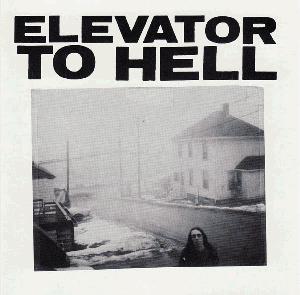
Review Summary: an essential collection of lo-fi pop and indie rock for avid Eric's Trip fans
“In came a boy with mid-length greasy hair, he had lots of songs that he wanted to share.”
And so he did. Through a stoned haze of squelching guitars and distorted synths, Rick White introduces himself with a parable of being attacked by a misanthropic bird named Roger. Roger hates the way that humans stare at him so unfriendly, so he decides to attack the boy. A barrage of panicked limbs erupts, and Roger is knocked to the ground, stunned with the taste of greasy hair in his mouth. It’s hard to tell who the narrator actually is in this story.
1993 was a big year for Rick White. With nothing more than a couple demo tapes under their belt, his band Eric’s Trip became the first group of Canadians to sign a record deal with Sub Pop, and their debut album was released to critical acclaim, but his personal life was a mess.
Love Tara (somewhat humorously named after his new girlfriend, who would play bass for Elevator) was a concept album/musical therapy session dedicated to the break up of his relationship with fellow bandmate and collaborator Julie Doiron. It was a superbly intimate record—equal parts sad and awkward—but it was surprisingly mature for a couple of twenty year old’s to hash things out like that for the world to hear, and the people loved it. Despite the bands sudden success, and the fact that he and Julie managed to stay cordial enough to tour and release two more albums together, it’s safe to say that Rick needed a secondary outlet to express himself. Thus, in 1994, Elevator To Hell was born.
Parts 1-3 plays out like a collage of hazy, drug induced scrap book musings. It’s a compilation of twenty-seven lo-fi and experimental pop, rock and folk songs that were all recorded straight to cassette on the day of their inception, without much of a second thought, and with whatever instruments that Rick could find laying about in his smoke filled bedroom. Rick’s propensity for capturing a moment and translating it to song makes being a musician look easy. He doesn’t need to spend days meticulously crafting a bridge or pre-chorus when hooks and harmonies flow out of him like water, and so he wrote and recorded to his heart’s content. His stories are simple, and brought to life by a rotating cast of drums, bass, electric or acoustic guitar, and synthesizers—all of which are cycled in and out on a whim. The only real sense of cohesion holding this collection of songs together is their eclectic charm, but that’s a huge part of the appeal. It’s a mixed bag of eccentric styles and volumes that is sometimes sweet, sometimes spooky, sometimes quiet, and sometimes so loud that every input on the tape recorder must have been clipping and peaking to god knows where (warning: listening to “Boots” may induce bleeding of the ears).
All these pot smoke allegories are not baseless, by the way. Rick states quite plainly on second track “Why I Didn’t Like August 93” that he has a problem with girls, and with drugs, and implies throughout the album that these obsessions are simply fuel for his own self destruction. This problem becomes quite apparent and tangible to our ears over the hour that we spend listening to him fawn and reflect. Catchy love songs like “Three More Weeks” and “Made For You” are contrasted by the totally bizarre percussion soundscape of “Mercyful Fate” (named after, but not sonically inspired by the heavy metal band from Denmark), or the off kilter synth pop of “Killing Myself” and “Train From You”, amongst plenty of other head scratchers. Rick might be playing pinball with his genre exploration, but these songs are held together by a peculiar sense of melody and loneliness. During seventh track “Typical, Boy Loses Girl”, Rick asks why he even bothers writing these songs, and begs to escape from himself altogether. There’s always a hint of hyperbole and dramatization in music, but he was clearly going through it while writing these songs, and I’m just glad that he was able to continue pursuing art and funnel that turmoil into creation.
Not only has Rick White released a gargantuan library of music since this came out in 1996 (his bandcamp page is currently sitting at fifty-three releases, which doesn’t even include everything), but the landscape of music itself has come a long way since lo-fidelity tape recordings infiltrated the subculture markets of the 90s. This album definitely shows it’s age with it’s DIY sound and approach, and it probably wont attract many new ears outside of avid Eric’s Trip fans or CanCon historians, but
Parts 1-3 is a special time capsule of ideas that really deserves to be uncovered. It’s the type of album that could only ever be made by a sad twenty-somethings stoner living in Moncton, New Brunswick in the 90s, and that’s why I love it. Rick White proved that you don’t need expensive equipment, or even a band, to create compelling stories, and that continues to inspire me to this day. A catchy hum along tune and a unique voice is all you really need. Oh, and maybe a side of psychoactive substances. Just don’t turn into Roger.