Review Summary: The safe word is Manalishi
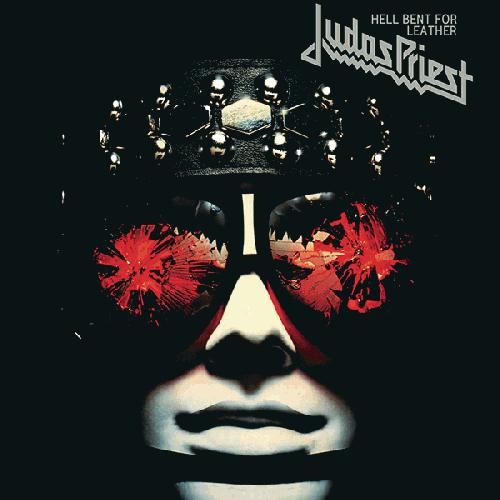
1978’s Killing Machine (Hell Bent for Leather to us Yanks) is the classic Judas Priest album that I’ve had the hardest time wrapping my head around over the years. The irony of it being one of their most accessible outings is not lost on me but I always thought it was an awkward transition, moving away from the seventies gothic toward the eighties sheen but feeling out of sorts with either aesthetic. The reality is much more nuanced amongst its extensively varied tracks, but it can still be quite a mixed bag.
Of course, I can’t say it doesn’t start off with a bang. “Delivering the Goods” kicks off at a rabble rousing pace tailor made for live opener status complete with a stomping chorus that “Rock Forever” follows up with a celebratory shuffle that feels like a tighter answer to something like “Sabbra Cadabra.” “Killing Machine” and “Running Wild” serve up their own one-two punch later on with the former’s mid-tempo pulse and the latter’s speedy exercise, but neither makes a strong enough impression to be true staples.
There’s also some strong showings of the band’s softer side in spots. “Evening Star” is like a heavy metal version of “Come Sail Away,” setting a similar narrative of self-discovery to a bunch of dynamic back and forth across its compact structure. “Before the Dawn” has a much more forlorn outlook, lamenting a wayward connection with gentle acoustics and Halford putting the lower side of his operatic range to fittingly tragic use.
The duality of “Hell Bent for Leather” and “Take On The World” might best highlight my mixed feelings on the album at large. The former is among the band’s most scorching numbers, awakening the metal world’s love for motorcycle anthems with snarling yet soaring vocals, spry speeds, impactful hits, and one of the most electrifying guitar solos you’ll ever hear. The latter directs their Queen influence toward the “We Will Rock You” ballpark, but the sturdy drum beat and earworm chorus are beset by its come together theme coming off as condescending. I don’t hate the latter as much as I used to, but the former’s sheer force highlights just how elevated it is compared to everything else here.
And then you’ve got the weird little outliers that I used to be iffy about but have more or less come around to. I wasn’t sure why their take on Fleetwood Mac’s “The Green Manalishi (With the Two Pronged Crown)” came to be such a staple when it doesn’t really have much of a chorus to it, but then you can find that blues foundation gets repurposed with the sort of diabolical flair that would give the occult metal movement its wings. “Burnin’ Up” and the closing “Evil Fantasies” feel like the next steps from “Raw Deal,” the former’s kinky funk and the latter’s honky tonk horniness make one wonder how nobody noticed the closet door seemingly wide open right in front of them.
While I can ultimately concede to Killing Machine being a pretty enjoyable effort, it still falls a little short of Judas Priest’s other seventies installments for me. This more accessible shift is natural in the band’s trajectory, but subsequent outings would put that commercialism to more effective use and its eclecticism was better utilized on something like Sin After Sin. However, it’s got some great numbers with energetic performances to go around and hindsight makes it fun to see a point when the leather daddy demeanor was so in your face that you could barely even call it subtext. It’s the sort of album that makes one wish metal could’ve been just a little gayer.