Review Summary: This latest release is full of sounds and production that the band has taken years of experience to hone in on and does not fail in this regard.
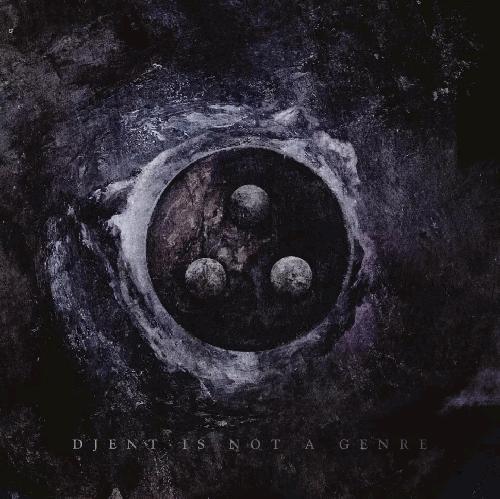
For many years it had been presumed that djent was indeed a sub-genre of progressive metal associated with acts such as Dream Theater, Meshuggah, or Animals as Leaders. Recently with the release of Periphery’s seventh studio album, Periphery V: Djent Is Not a Genre, the heavy musical style heads to trial and awaits the jury’s response. There is a certain core essence that needs to be understood about the djent pioneers leading the charge in this grand trial; they aren’t going to be bothered with backlash from anyone. It’s within this credo that the band explores various styles of sounds in their latest release that include progressive metalcore, electronic, jazz, and synth pop. Periphery showcases how unapologetic they are when venturing down these territories that explains their thesis that Djent Is Not a Genre.
Periphery V begins with “Wildfire,” an intense opener that is reflective of past album, Periphery IV: Hail Stan, with various moving sections that detail each member’s technical expertise and knowledge of their sound. The majority of the song is relatively straightforward with its heavy metal tones but throws in a classic Periphery trope seen on their Juggernaut albums with a piano/drum jazz section that features a dramatic saxophone solo. The track “Everything is Fine!” extends this style with aggressive vocals and drums, with guitar tones that one would hear on Car Bomb’s, Meta. Single tracks “Atropos” and “Zagreus” become more interesting with combination of the band’s heavy, syncopated sounds mixed with pop style charisma in various choruses and verses. The mixture works well, but may need to be digested a few times as the first experience comes off as a bit odd. “Wax Wings” and “Dying Star” are tracks that one can expect from Periphery in the way that showcase how detailed and musical the band’s performance really is when composing. “Dracul Gras” is a long-song, epic style Periphery symbol that features lyrics recounting the events of an obese Dracula hunting his victims in the night when it’s feeding time. With this track, the sound is oppressive and profound and the musical composition is as intricate as ever with a plethora of moving sections and heavy styles. The record closes on “Thanks Nobuo” that pays homage to Japanese video game composer, Nobuo Uematsu. It is an elegant closer that features various retro synth sounds that are reminiscent of the soundtrack from video game franchise, Final Fantasy (which Nobuo contributed compositions for), with syncopated guitars and drums to compliment sincere vocals and lyrics. Periphery V includes plentiful callbacks to the band’s past discography from riffs and vocals used from Periphery: Juggernaut Alpha/Omega and Periphery III as well as some main themes used in Final Fantasy VII. These callbacks are nice touches that are used appropriately on the record and is a charming sentiment from the band to their fans as it was mentioned that Periphery V would originally act as a sequel of sorts to the Juggernaut records.
Now we must address the elephant in the room from the band that tries to explain why djent is not a genre. “Silhouette” is a near five-minute pop, synth pop experience coming straight out of The 1975 catalog. In continuity, the track is completely jarring from its predecessor, “Everything is Fine!” and upon first listen, I was stunned by the polar opposite musical shift. The track itself is neither glamorous nor appalling. The pop style synths and 808 production go well with Spencer’s delicate vocals and the gentle piano/guitar melodies layered behind. The song falls short with its vanilla lyrics and vocal melodies that come off as trying too hard to be catchy. The importance of this song lies in the honesty of how staggered it is from the rest of the band’s repertoire. Lyrics, “To purge the cells of someone else, we shed our past down the wishing well,” are pretty straightforward in explaining the essence of the band’s philosophy of producing music that they care about and not being confined to a single genre or style of music.
Djent Is Not a Genre does not come without its flaws. There is an overuse of orchestral, palette cleansing outros that appear seven times out of the nine tracks featured on this album. While these stringed outros are nothing new for the band and have served wonderful musical purposes before, this time around feels more gimmicky due to lackluster transitions. In addition, lyrics brought onto this record present themselves as uninspired and vocal melodies feel forced in areas such as the verses in “Everything is Fine!” and “Thanks Nobuo.”
If Djent Is Not a Genre is Periphery’s defining statement on how they want to proceed down their journey as a band in the space of progressive metal, well fans are going to have to get used to it. This latest release is full of sounds and production that the band has taken years of experience to hone in on and does not fail in this regard. The heavier sounds harmonize with the lighter tones very well and the honest maturity that is delivered from this record gives me a newfound respect for the band and their process. I might have liked to see this album veer in a slightly different direction than what was taken, but that’s the beauty within every Periphery record, especially this one; they will never cater to what the audience wants. This latest release is a welcomed addition to Periphery’s discography and nearly four years later since Periphery IV, the wait has been well worth it.