Review Summary: Classic progressive metal that meshed the past to the future
Krallice play music I would describe as classical influenced black metal. The music, especially on this album, has a baroque feel. The song structures are more like movements too, preferring to build on themes and counterpoints until they come together in some resolutions that are both beautiful and explosive.
The six tracks are based around tremolo picked riffs, fast, articulate drumming and lockstep bass. The riffs have an elastic effect, shifting themes and tempos, bouncing off each other and circling around before coming together in unison to create some staggeringly heavy and melodic moments.
It took me quite a while to appreciate Krallice. On first listening all but a couple of tracks go by in a chaotic blur. Subsequent listens allow you to pick up on one or two little hooks. The hooks evolve with each listen, and when the songs click it’s like you’ve understood the meaning behind the chaos.
‘-‘ kicks off the album in a hurry. A violent statement of musical intent. The tremolo picked riffs segueing into a groove toward the end of the just over two minutes that it lasts.
‘Inhume’ is the first regular (with Krallice regular gets you 10 minutes plus of chaos) track on the album. It feels like an arrogant, triumphant roar. The guitars circle around a melody and play riffs upon riffs. The drumming like controlled chaos and the bass adding deep resonating counterpoints. The song spirals along until it reaches a crushing crescendo.
‘The Clearing’ is the most overtly melodic track on here, closing your eyes while listening to this track is a trip. I get images of ancient civilisations in unknown galaxies. Images transforming between ancient and foreboding architecture, to epic and chaotic battles the size of galaxies. Musically, the instruments seem to push and pull against each other, riffs tumbling out of riffs and creating a strange sensation of ebb and flow. Because the melodies take a long time to evolve, and then change direction completely, when they do coalesce it’s like a supernova.
‘Diotima’ Is the sombre morning following the assault in ‘The Clearing’. A mournful and almost mellow hymn for the war dead. The slowest track on the album, it’s a welcome break from the relentless nature of the first three tracks. It has a kind of a bridge section that is funky rhythm section with the guitars playing a cascading, classically influenced melody over the top. The most insane guitar solo which sounds like a virtuoso violin solo explodes into a pummelling section. The respite doesn’t last long. Then there’s a weird dual solo (duo?) with a counterpoint melody that’s like space lasers going all kinds of crazy awesome.
‘Litany of Regrets’ is ***ing weird. The drums syncopate, and the guitars sound like a wall of backwards noise. The melody is wrung out as a stomping, droning movement behind the noise. It breaks down into a melody for a while before the syncopated drums and noise begins again. That’s it for thirteen minutes. This track will confuse you the most. It’s going to be the track that you don’t like if there is to be one. But the way it builds to the climax is fascinating and probably worth the perseverance.
‘Telluric Rings’ is the best thing ever. A really pretty melody ushers in what could be a soundtrack to a climactic scene in a movie if movies had the balls for it. Tiny little riffs fit within huge riffs which are almost entire sections. There’s a light speed break for it which introduces the next section which is a frustrating unresolved melody fighting to get out from the abyss created by the rhythm section. The track plays out with a huge sounding lumbering bassline.
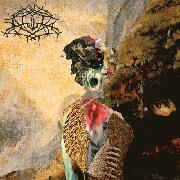
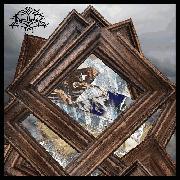
‘Dust and Light’ is the final track and one that suits the album artwork the most. It sounds cold and desolate. There’s the impression that everything is happening in space, or an enormous pitch black cavern. The song changes track about halfway through to a blossoming melody, and then locks into a blastbeat section with the riffs playing so fast they sound like a synth is playing them. It ends up being very pretty once you’ve worn away the surrounding murk.
Soundwise, this album is very well recorded and mixed. If they had gone with the typical lo-fi black metal approach, none of the subtleties would work, and the drums would not have the same pummelling effect. It’s a strange music, one that thematically has more to do with epic scores or trance inducing ambient music than metal. The only reason it’s metal is because of the mode of delivery.
A difficult and rewarding album that I am glad I invested the patience to understand. I haven’t yet scratched the surface of their other albums, but I’m now a little less bewildered by this band and look forward to the challenge.
See you!