Review Summary: The Cult goes alternative
Any change in the musical landscape always presents a certain challenge for bands that worked within out-of-date trends. It happened in the late 1970s, when punk rock with its “do-it-yourself-in-a-garage” approach served as an antipode to progressive rock, which at the time was trembling under the weight of its own ambitions and pretentiousness. Then it happened again in the early 1990s, when – in response to throngs of faceless clones with dyed hair and multicolored clothes (with only a few worthy bands lost in the mix) – the audience turned its ear towards thrash metal and grunge, which stood in stark contrast to the ever-partying phonies.
Still, The Cult always stood apart from these perturbations. During its period of commercial success, the band did not borrow a single element from popular genres, instead preferring to pave its own way and focus on a classic rock revival, which was out of favor at the time. After the second rock music revolution, they released the solid if somewhat bloated
Ceremony, whose commercial prospects were swiftly sabotaged by the arrival of new stars. Considering the issues the musicians were going through back then, it is unsurprising that it took them longer than usual to prepare a response. As a result, their new album, simply titled
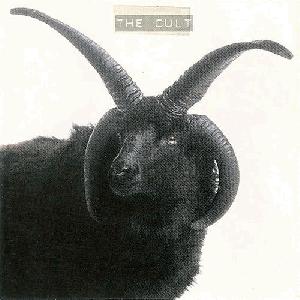
The Cult, was released in 1994.
As might be understood from the matter-of-fact title, Astbury and Duffy decided to pull themselves together and attempt to find their place in the new history of rock (although it would have been interesting if the Brits had released something like
Sonic Temple instead). Since the airwaves were dominated by sulky bands fretting over issues and anxieties (or making an impression of doing so), it is noticeable that
The Cult exhibits a similar shift. Compared to the extraverted
Ceremony, the new LP feels much more introverted. The music is moodier and has a somber atmosphere: Duffy’s guitar is far more restrained, sometimes practically taking a back seat and focusing more on rhythm, occasionally blended with electronic touches. Hard rock bursts of energy are rarer, and only now and then does the guitarist allow himself solo attacks in line with their earlier material (
Be Free). Astbury traded almost all of his mysticism and fascination with Native American culture for everyday realism, introspection, and topics of centered around directionless years (
Coming Down (Drug Tongue),
Joy), sexual abuse (
Black Sun), and the death of former bandmate Nigel Preston and other musicians (
Naturally High,
Sacred Life).
Did the new album manage to fix some of the miscalculations that bogged down
Ceremony? Yes and no. Despite the changes in sound, The Cult still preserved a certain grandiosity, and their fixation on longer tracks practically doesn’t fail them, as there is no real sense of being long-winded. The quality of the output also increased and sounds more confident, although toward the end of the LP there is a feeling of a sag, and the thought creeps in that a couple of tracks should have been left on the cutting-room floor (
Universal You and
Emperor’s New Horse are somewhat inferior to the rest) to the album’s overall benefit. Luckily, all these missteps are compensated for by energetic performances. While on
Ceremony it was Duffy and his guitar that dominated,
The Cult is Astbury’s time to shine as he pours his all into every track, elevating even the weaker moments.
More importantly, despite their flirtations with alternative rock on
The Cult, the band – commendably – managed to stay true to themselves while preserving their core features. Unfortunately, the LP went largely unnoticed, and this successful transformation of their sound failed to spark widespread interest. Perhaps that can be corrected now by looking at this strong record through the prism of retrospect.