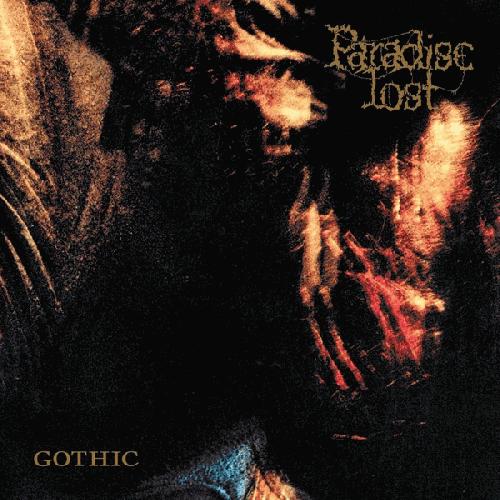
Review Summary: Paradise Lost come into their own, injecting the raw ideas of their debut with atmosphere, dynamics and variety.
The early- to mid-90s was a period of great stylistic innovation for Paradise Lost. Starting out as a straightforward death/doom outfit with their 1990 debut,
Lost Paradise, the band quickly progressed towards a highly atmospheric and melodic sound that would culminate with their 1995 magnum opus,
Draconian Times. This huge transformation over the course of 5 years required the band to take some fairly bold steps, and their second album,
Gothic, represents the first of these steps. With
Gothic, Paradise Lost took the raw sound of their debut and injected it with the atmosphere, dynamics and variety that it was often lacking, resulting in a unique album that proves to be one of the most fascinating in their discography.
Listening to
Gothic for the first time, the listener will immediately notice the differences between the album and its predecessor. The opening title track is a masterpiece – and I don’t use this term lightly – that perfectly demonstrates the dynamics and melodies that would come to define Paradise Lost’s sound. Nick Holmes’ guttural growls contrast beautifully with the ethereal singing of guest vocalist Sarah Marrion, and the deep, thick guitar riffs interweave with gorgeous, enveloping keyboard parts. The use of contrasting tempos carries over from
Lost Paradise into this album, adding another element that drives this song and many of
Gothic’s other songs forward. “Gothic” is a real tour de force, showing all of the elements that make this album great and then some; it’s one of the finest songs of the band’s career.
These ideas of dynamic contrast and atmosphere continue throughout the course of the album. While one of
Lost Paradise’s primary weaknesses was its monotony,
Gothic is a masterclass in variety, showing off many different styles and demonstrating the band’s ability to use a plethora of influences to succeed. Songs like the phenomenal “Shattered” and “Eternal” show the influence of post-punk and gothic rock, something that would be expanded on tremendously later on in the band’s career. “Angel Tears” is a fast-paced instrumental that almost sounds influenced by 70s progressive rock, and “Desolate” is a powerful orchestral conclusion that ends the album on a decidedly sinister note. Other songs, such as “Rapture” and “Falling Forever” are more reminiscent of the death/doom material of
Lost Paradise, but are more developed and successful than any of the tracks on that album. The ideas of all of these songs put together create a highly unpredictable and exciting listening experience.
Gothic is not without its faults; the lead guitar work is, like on
Lost Paradise, fairly poor, heralding several off-key leads and solos that can detract from the album’s otherwise very convincing atmosphere. The musicianship is also loose, which some listeners may find charming but which also results in some awkward transitions and clumsy-sounding sections – this problem would gradually come to be corrected as the band became more experienced and confident. However, despite these fairly small issues,
Gothic is easily the most successful album of Paradise Lost’s early period. In its short 40-minute runtime, it covers a lot of ground, demonstrating a great variety of musical influences, an impressive versatility in drawing original material from these influences, and a sense of real inspiration that resulted in some of the band’s very best material to date.
Gothic is essential listening for any Paradise Lost fan, and it is counted among their classic releases by many fans with good reason. It’s one of the most intriguing examples of doom metal from the early 90s, and you would be doing yourself a disservice not to listen to it.