Review Summary: A solid debut that showcases a much more raw and simple side of Paradise Lost’s music.
Back in 1990, Paradise Lost were a very different band than the one we know today, or even the one that came to fruition in the mid-90s. While most fans of the band probably think of their sound as being highly melodic, dynamic and textured, they actually started in a much more straightforward and simple way than those fans may expect. When they started out, Paradise Lost were pioneers of a new style of metal known as death/doom, which is basically exactly what it sounds like: a combination of the slow, powerful riffs of doom metal and the faster tempos and harsh vocals of death metal. The band released three albums in this distinctive style before moving towards a more melodic and gothic rock-influenced sound in their peak period. Of these first three albums, the debut,
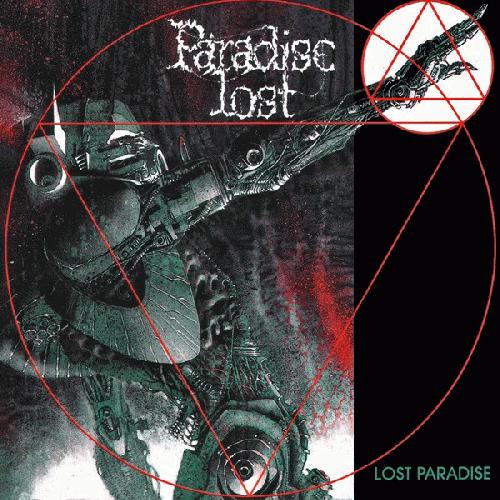
Lost Paradise, demonstrates the purest incarnation of their innovative death/doom style.
The thesis of
Lost Paradise is fairly simple: growling vocals, off-key lead guitar work, thick, heavy riffs, and an alternation between slow and fast tempos. With the exception of the atmospheric opening track, these ideas are fairly constant throughout the course of the album, with the only real dynamic contrast existing in the tempo changes within and between the songs. The album is at its best when these contrasts are used to their full potential; songs like “Deadly Inner Sense” and “Breeding Fear” manage to be perfectly entertaining songs due to their effective use of these contrasting tempos. The lead guitar work throughout the album is noticeably weak – something that would hold Paradise Lost back until
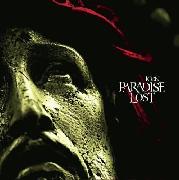
Icon in 1993 – and thus the stronger moments on
Lost Paradise are when the riffs take the forefront of the songwriting. The album really works well when it’s at its purest and heaviest; something that fans of later Paradise Lost may find hard to stomach. The production will probably not appeal so much to those fans either, its murky, dark sound not offering much in the way of the atmospheric clarity that makes later releases by the band so effective.
This isn’t to say that
Lost Paradise is a bad album. It’s overall quite competent in doing what it sets out to do – creating a heavy, uncompromising sound that combines elements of death metal and doom metal in effective ways. However, the album is very limited in its appeal, particularly to fans of Paradise Lost’s later work – the atmospheric, melodic sound that the band has honed for years is nowhere to be found on this album.
Lost Paradise will probably appeal most to metal purists who may not even enjoy the unique sound on the band’s later releases, because its straightforward, satisfying heaviness was never recreated on any subsequent Paradise Lost album. For the rest of us, this album is probably best appreciated as an early demonstration of Paradise Lost’s potential, and as an essential part of the beginning of a style that would bring forward some of the most innovative and fascinating records in the genre. It’s a solid debut album, and an album that demonstrates an interesting side of the band’s music that has since long been forgotten – do with it what you will.