Review Summary: Although not a step forward for Thrice, this album finds the band revisiting their older sound and reinventing it.
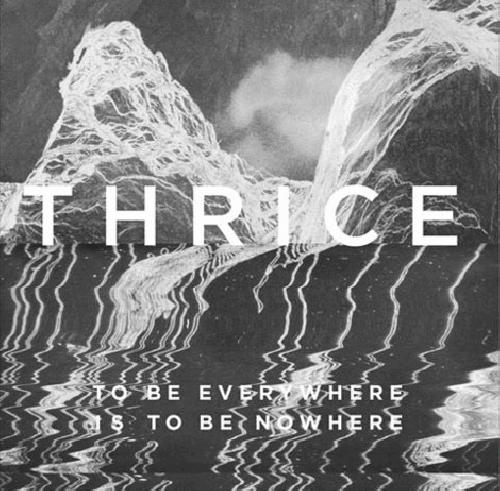
Thrice, following a 3 year hiatus, reunited in 2015 to perform a number of festivals, as well as record a follow up to their 2011 album Major/Minor. This was an album that found the band taking their sound into a grunge/mainstream rock territory that, although proved to produce some truly emotional and well-written songs, did not take their sound in any new experimental territory, something which the band consistently did from their debut, all the way to the Alchemy Index albums (one might even argue that even Beggars took the band into a bluesy territory, which the band had not genuinely experimented with before.) To Be Everywhere Is To Be Nowhere, the follow up album, was released this year.
To be fair, this is an album that I spent FAR too much time building up in my head. After a 5 year hiatus, I couldn't begin to imagine the sonic experimentation that might be held within this album. This album was coincidentally released on my high school graduation date, and I couldn't think of any better way to soundtrack a major step in my life than with new music from a band that I have loved since I was 9. Following the first few listens, I was very pleased to find that my favorite band had produced a well written album with some truly great songs that utilized the bands' strengths to their full extent. But I couldn't help thinking that this album was a signal of a band that had found a sweet spot in their songwriting, which would bar experimentation on further releases. The songs seemed far too familiar.
This isn't to say the album is bad in any way. I genuinely enjoyed it. Hurricane is a truly remarkable track, and Blood on the Sand and Black Honey are respectable singles that showcase the band's mainstream rock leanings. Many of the tracks bear resemblance to older Thrice tracks, with the closer Salt and Shadow bearing similarities to the Water EP, and The Window utilizing the band's common use of odd time signatures that was prevalent on Vheissu. The bluesy "Wake Up" could have been taken off of the Beggars album, and the anthemic ballads "Stay With Me" and "The Long Defeat" are reminiscent of Major/Minor's more sensitive moments.
This album, although not a step forward for Thrice in experimentation, could be looked at as a "Best Of" album with songs you've never heard before. Thrice revisits many of their older stylings and reinvents them in a way that hopes to sound fresh, but falls slightly short in comparison to the rest of their discography.