Review Summary: #Blessed
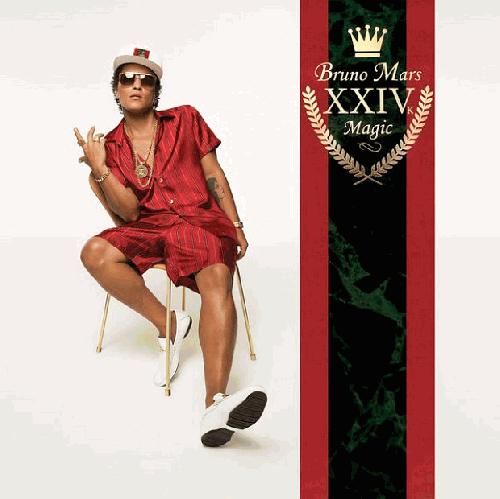
24k Magic is quite a head-scratching career move for Bruno Mars. Through the perspective of one of pop music’s household names, releasing a record that could possibly compromise your position as ‘top dog’ on the pop music totem pole is a risk that nearly no artist complacent in the cozy little home they call the Billboard Hot 100 is willing to take. Even with his reputation as a hit song powerhouse, and stepping off the pedestal of owning 2015’s biggest hit - “Uptown Funk” - Bruno Mars barely breached the top 5 with “24k Magic”. Even worse, a lukewarm listener turnout led to Bruno Mars falling down the charts in the course of a single week. However, this failure (compared to previous releases, that is) was ultimately a good thing. It showed hope for a Bruno Mars that didn’t show care for his image or keeping tabs on current trends; just one Bruno Mars who genuinely cared about making a pop record worth caring about.
What separates
24k Magic from the rest of his expansive discography is that this album is free of all negative connotation associated with the Bruno Mars brand name. The cheap, plastic production and obnoxiously sappy attitude of
Doo-Wops & Hooligans and the careless trend hopping of
Unorthodox Jukebox are completely removed. In its place is an over-the-top “80s throwback” pop record that has more than enough self-awareness on Mars’ end to flawlessly pull off the cheesy attitude that the style demands. Stylistically speaking,
24k Magic borrows from the pages that made “Uptown Funk” and “Treasure” stand out hits and completely renovates them with a slick overhaul in design.
Bruno Mars’ charismatic performance, never shying away from cheesy one-liners and a confident, sexy attitude results in a vessel that can channel these influences flawlessly while finding room to develop his own personality as a boxed up “tough guy” with a heart of gold. He plays a very specific character on this record, a figure who comes alive through party anthems like “24k Magic” and “Chunky”. The vulgarity of an easygoing “on top of the world” attitude, where Bruno Mars makes it explicitly clear that he’s a “dangerous man” and a “gangster” with the crave for sex, while equally contradicting himself with his dorky appearance, emotional dependency on an unspecified girl he just met, and overwhelmingly cheesy quips (like the #blessed line) creates an endearing image that doesn’t take itself seriously, but has the skill and charisma to be commendable nonetheless.
Influences from the likes of James Brown, Michael Jackson, and even contemporary ‘90s boy bands such as Boyz II Men are present through the record’s leaning towards vintage instrumental sampling. The album finds a perfect mixture of ’70s soul-pop and the artificial field of ‘80s synthpop, topped off with modern day trends of electropop and unconventional songwriting trends that have found their way through mainstream recognition. With the exception of “Perm” a confusingly out of place guitar slapper reeking of James Brown worship, the rest of this record finds excellent breeding ground to explore the “80s throwback” trend by emphasizing a more modernly developed backbone. “That’s What I Like”, a sweet, laid-back track, incorporates a chilly, synth kick similar to a future bass track while “Finesse” rips its drum machine straight from an ‘80s pop track. And the closest this album gets to being shamelessly ‘80s is with “Calling All My Lovelies”, packaged tightly with each artificial, hissy snare, electro-bass riff, and skittery “night time” synths.
What is possibly the record’s crowning achievement, above all other accomplishments, are the ballads. What were once sour spots and studies in insufferable songwriting with the Twilight-branded “It Will Rain” and the infamous hit single “When I Was Your Man”, have been swapped out with boy band emulation and genuinely heartfelt performances. With the sexy, slow moving “Versace On The Floor”, which is quick to establish itself as an unashamed sex ballad, and “Too Good to Say Goodbye”, the record’s closing track that brings out the moody “lost love” concept, and pulls it off beautifully with a low-key synthesizer and the added meat of backing vocalists and violins to give the track the sadder atmosphere it aims for while still keeping tempo lively.
The full care and attention to songwriting on this record, making sure all elements of worship and modern trend hopping are consistent and work together, and finding a level of self-aware comedy inside of confidently spoken lyrics, make this record a complex piece of genuinely fun pop music that has simply been missing from a mainstream market that has been favoring cynicism all year. Bruno Mars finds his stride and mojo on
24k Magic. By letting himself go loose in the ‘80s worship nirvana, he finds himself at his most focused and best composed in his entire career. It’s obvious that this was the record that he was destined to make since day one, and we can only rejoice knowing he has finally come to that realization. While it’s unfortunate that chart performance suggests that this record will go down as the black sheep in Bruno Mars’ discography, this record will prevail as not only one of the best pop records of the year, but quite possibly the entire decade.