Review Summary: A revived gem.
All too often classical enthusiasts characterize classical music as uniquely white, and while most of the composers who have contributed to the evolving genre are indeed white, they've dismissed the extraordinary creations of composers of African descent, whose classical timeline comes second only to whites, even if only due to exposure. As early as the eighteenth century, Joseph “Black Mozart” Bologne, born before Mozart, composed several symphonies, symphonies concertantes, and violin concertos that received widespread acclaim in the classical community of the time. In the last century, any recognition black composers received has more or less disappeared. Other groups, specifically East Asians, have emerged as the dominant influences, next to whites, in current discussions of classical music. Meanwhile, because black musicians have created a musical niche in jazz, blues, soul and more recently, funk, hip-hop, and rap, black artists outside of those genres have lost relevancy in other musical spaces, particularly classical.
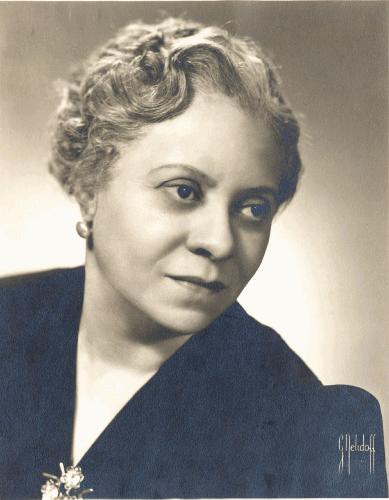
Florence Price's “Piano Concerto in One Movement (in D Minor),” first premiered in Chicago in 1934 where she played as the solo pianist. After the 1930s, orchestras stopped playing the piece. It only reappeared in late 2011 after composer Trevor Weston was asked to revive the orchestral part of the piece, which had been lost after years of neglect.
The concerto has the same energy and sincerity of many late Romantic concertos; the typical expansion of form and pattern, disregard for rigid constraints, and emotionally-driven expression. In the Romantic period, you'll see more composers attach ideology, philosophy, and personal experiences to the stuff they're composing, consequently making the audience less concerned with the effectiveness of structure and more concerned with the effectiveness of feeling and image.
The piece is split into three sections; the first section begins with an effective but modest brass and woodwind introduction, which quickly fades away to make room for pianist Karen Walwyn, who delivers the first of several dynamic and varied solo performances. She sets the tone of the piece with expansive melodies and crisp scales. The first section evenly accommodates the orchestra and the piano, both having time to shine. The interspersed climactic cymbals, starting at 3:15 create a cinematic effect, with the cymbals pointedly recurring like theme music might in a film. At 4:30, the piano changes in pace and purpose, continuing the story, but less erratically before transitioning into the second section, which begins at 7:44. It is sadder, softer and slower, with the piano moving to the forefront. Throughout, the piano maintains a nostalgic yet hopeful sound. The melody is improvisational in character, never having sour or dissonant notes. The third section is the surprise; it is unexpectedly playful, exhibiting a syncopated, rag-timey rhythm. The piano and orchestra play off each other seamlessly, and the section ends with the patriotic, classic sounding drumroll-five-chords-plus-cymbal finish.
To me, “Piano Concerto in One Movement,” feels distinctly American. Some have said Price's African ancestry might have influenced the African rhythms at the end of the piece, and it probably did, but in the same way Russian American composers might draw on Russian styles, they're ultimately American, feeding into the American body of work, regardless of background. We take away from Price if we attach this black cultural marker onto her work, as if it somehow makes her work inherently different from that of white American composers. Unfortunately, “Piano Concerto in One Movement” was probably revived for the sake of promoting diversity rather than for the power, sensitivity, and energy present in the piece, which, if you didn't already know, is absolutely lovely, and should have more recognition than it has... as should most of her work.
New Black Music Repertory Ensemble: https://www.youtube.com/watch?v=tZ54dddRI08