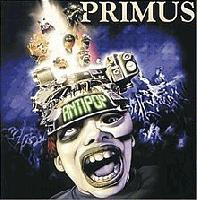
Review Summary: IX: For all of the creative and historical negativity that it represents, Antipop is actually a pretty solid album from Primus.
The 90’s introduced many angry teenagers to the up-and-coming genre of nu-metal. It was a desire to fundamentalize metal, ripping out the pages of Slayer solos and Dio vocals, a paradigm shift that launched the careers of bands like Korn, Deftones and Limp Bizkit. As nu-metal sunk its teeth into the mainstream, Primus was experiencing their own changes. After the mediocre
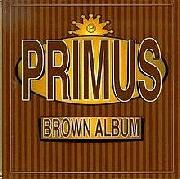
Brown Album, Primus dizzied their way to the end of the decade with the LP
Antipop. In one of the most startlingly out-of-place moves in their career, Primus threw their prog past behind them and embraced this budding genre of nu-metal. It was discomforting for all three members and it led to the band breaking up in 1999. But ignore the stigma of nu-metal and Primus’ past for just a second.
Antipop, for all of the creative and historical negativity that it represents, is actually a pretty solid album from Primus.
Antipop is one of Primus’ most bizarre records. I know that’s odd to say, considering the band’s history, but it’s a statement I stand by.
Antipop is unsettlingly different. It doesn’t sound much like Primus at all. Of all of the records Primus has released since their debut in 1989,
Antipop sounds the least like a Primus album, and the source of this difference comes from an unexpected place. It comes from guitarist Larry “Ler” LaLonde.
Antipop is widely considered to be Primus pandering to the growing nu-metal genre of the late 90’s, and there’s no better example of this creative direction than Larry LaLonde’s guitar work. There’s no loose prog, no Satriani-esque solos to speak of.
Antipop is extremely riff-driven, the antithesis of LaLonde’s guitar work. Key examples are the main single “Lacquer Head” (produced by Limp Bizkit frontman Fred Durst), which has a chugging, infectious riff in the chorus. The same can be said with the title track, an accessible, but pedestrian track (a thick irony considering the song’s message of “going against the grain”). LaLonde doesn’t sound like he’s in a comfortable place on
Antipop. His virtuosity sounds wasted on tracks that are too basic and fundamental for his skillset, leaving his guitar work flat and muted.
Nu-metal influences have also caused the vocals to suffer as well. Les Claypool has always been a diverse vocalist, one who uses rhythm, tone and dynamic in unpredictable ways. On
Antipop, Claypool is loud. There are no airy snarls or under-breath whispers. It’s all just Claypool wailing.
Antipop tries to show a loud and up-front Primus, and that’s never been their style. The nu-metal influences change a considerable amount of Primus’ key features. The record continues this trend of straightforward metal with a focus on radio-friendly accessibility, another key element of the nu-metal craze. Very few of the tracks follow Primus tradition of challenging the status quo, with the only major left-turn coming from the lyrics. Say goodbye to the loopy twists of
Pork Soda or
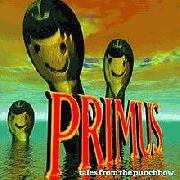
Tales From the Punchbowl;
Antipop is about delivering metal on the spot without a trace of buildup to speak of.
But here’s the weirdest part of
Antipop: on the whole, it’s not that terrible of an album. Not at all. It’s miles better than
The Brown Album, and if you can ignore how un-Primus it is, you’ll find some damn good tracks. This is helped out by the multiple guests, like Rage Against the Machine’s Tom Morello on “Mama Didn’t Raise No Fool,” a groovy and almost funky jam. James Hetfield of Metallica and Jim Martin (formerly of Faith no More) step in for “Eclectic Electric”, which mixes up thrash riffs and Claypool’s iconic bass slaps. There are very brief moments of classic Primus identity, like “Natural Joe”, whose smashing bass rhythms harken back to
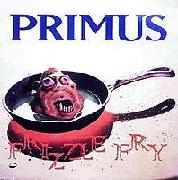
Frizzle Fry, and “Coattails of a Dead Man”, a somber crooner with Tom Waits returning as a guest. Overall, though,
Antipop changes the course of Primus entirely, but in doing so, opens more doors for the band to pass through.
Considering the creative shift that
Antipop represents, it’s relieving to know that Primus didn’t continue down the nu-metal route for future records, but even with that confusing identity, the LP is a surprising one. It’s a jagged, slamming riff-fest that abandons so many of Primus’ key elements, but somehow manages to offer some well-written and enjoyable tracks. Beyond the slim pickings of Primus-esque tunes like “Coattails of a Dead Man” are jams that are accessible and heavy at the same time, with Claypool belting out a call on every one. The level of conflicting views
Antipop created eventually led to Primus’ breakup, but as the closing door on the 90’s era of Primus, it manages to alienate many, while standing on its own as an enjoyable little diversion for one of alternative rock’s most prolific oddities.