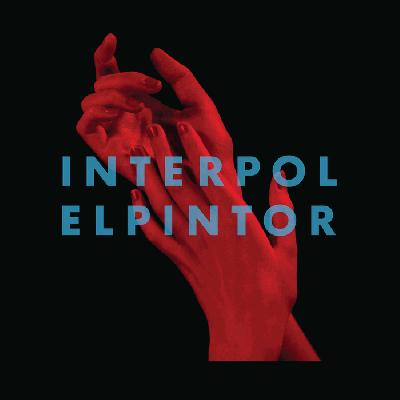
Review Summary: New York cares. So should we still.
In a sense, Interpol's previous self-titled album was simultaneously a misnomer and the perfect title. Eponymous LPs are generally taken as statements of intent, from a group unified in sound and purpose. With the quartet's internal relationships becoming more tenuous and their musical tendencies rapidly diverging, releasing 'Interpol' was a sign that the original era of Interpol had ended, with a new period immediately marked by the sizable hole left by the enigmatic and magnetic Carlos Dengler.
Where Paul Banks and co. would go from album four was answered with live renditions of "Anywhere" and "My Desire", songs reminiscent of Antics outtakes, highlighting what the public has largely come to expect from the now trio from New York: Daniel Kessler's signature cutting guitar, Sam Fogarino's insistent drumming, and the languid yet strangely expressive vocals of Banks. Yet the difference is in the bass; Handled by the lead singer, the bass lines are less labyrinthine and disco-esque, handled with more of a propulsive nature, as is readily heard in the band's direct first single, "All The Rage Back Home". As Kessler's sweet, descending opening riff gives way to soaring tremolos in the chorus, Banks' simple basslines actually keep the momentum going on the lion's share of the ten songs heard on El Pintor, an album that stands as the band's best work since Antics.
Lyrically, Banks is dealing with familiar territory, as themes of despair and remaining stagnant pop up in several places within the album. "It's time for a change of heart," Banks pleads on "My Desire", as Fogarino's hi-hat pattern and Kessler's flighty guitar part gradually build to a satisfying climax. Songs such as "My Blue Supreme" (with the frank lyric "There's someone that I'm dying to be") and the aptly titled "Everything Is Wrong" visit similar desires, yet are replete with an energy and driving force that Interpol's previous two releases often lacked. "*** the ancient ways/ They are heretofore/ Show no claim", Banks croons on "Ancient Ways", the album's most relentless, teeth-bearing and surprising track. Kessler lets loose an almost grunge-like guitar line and Fogarino beats out his most intense drumming since the outro in "Obstacle 1". Yet the song's astounding success rests in Alan Moulder's superb mixing, allowing a song that easily could have been repetitive and stale to reveal subtle changes in instrumentation and balance.
The album ends on a predictably somber note, with the dark yet elegant one-two of "Tidal Wave" and "Twice as Hard". Yet the final track caps off a direct and energetic set from New York's princes of doom, a group that many may have written off. By replacing the at times empty sprawl of Our Love To Admire and taming the experimental tendencies of their self-titled album, Interpol have created ten tracks that find the band beginning to reclaim the ground that once unequivocally owned. Fans of their immaculate debut may continue to yearn for a sequel to Turn On The Bright Lights, an document of post 9-11 paranoia and New York City's resilience. But Interpol have charted a new trajectory known only to the three members currently in the lineup, and while their niche can be limited, they still have their impeccable musicianship and ability to surprise. *** the ancient ways. The new Interpol have arrived.