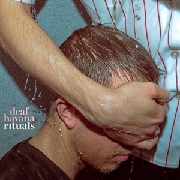
Review Summary: Confessional rock that still rocks.
What is young adulthood? It can be a time of great hope and optimism for the future, but it can also be filled with heartache and uncertainty, and a loss of direction and purpose that, left unchecked, can lead us to the darkest corners of our minds. There comes a time for many when we are forced to tally the sum of our dreams and ambitions and the reality of our often mundane, predictable lives, and the answer is often not what we expected - or hoped - to find. These are the moments that Deaf Havana tackle head-on in their latest full-length,
Old Souls. The British sextet has seen many changes in their own relatively brief career, as they evolved from a post hardcore unit based around former co-frontman Ryan Mellor’s screams and James Veck-Gilodi’s soulful choruses on debut
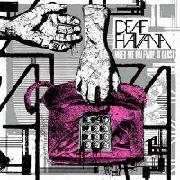
Meet Me Halfway, At Least to a power pop four-piece that drew their inspiration from Jimmy Eat World on
Fools and Worthless Liars. Now they have expanded their sound even further on
Old Souls, drawing from classic rock and folk to create an album worthy of its weighty lyrical motifs.
The record opens with “Boston Square”, which immediately suggests a new track for the band, as it draws from gritty working-man rock, particularly the riffs and sound of Bruce Springsteen. However, the song takes a dark turn, as it is centered around a childhood friend of frontman James Veck-Gilodi who committed suicide. James’ memories of his lost friend pour out in almost confessional lyrics, such as this standout line:
“I thought I saw your reflection
In the window of a passing car
But I guess I was wrong
All I am is wrong these days”
While the lyrics are often rather plain when taken by themselves, so much of their power comes with the emotion and conviction behind their delivery, as well as the music that backs them up. James’ confessional style suits the themes well, such as on album highlight “Everybody’s Dancing and I Want To Die”, in which he reminisces on a lonely adolescence filled with awkwardness over a catchy melody evocative of Vampire Weekend. The album follows a pattern of detailing many key moments in James’ life, particularly the low points where he felt the most aimless and unsure of the future. Several themes recur on multiple tracks, hinting at a possible drinking problem and an absent father. The concept of contrasting dark, melancholy lyrics with up-tempo, anthemic music returns on single “22”, in which James sings of blasting “Springsteen in his headphones” and a girl who ages him. Lost friendship takes center stage on the folk-tinged “Saved”, as James reminisces about a friend whose life took an unexpected turn after he fathered a child in college, and in “Mildred”, as brother Matthew Veck-Gilodi takes center stage, singing about a childhood friend who moved away in one of the album’s catchiest choruses.
The album slowly builds to a stirring climax in the poignant, powerful closer “Caro Padre”. Hints dropped throughout the album of an absent father are explored in depth here, as James reveals a deep connection to the parent who abandoned him, whose ghost seems to haunt his every wrong move. The song begins slow and bare before building and exploding into a crescendoing wave of emotion. It is a fitting end to an album that is rooted in the barest confessional lyrics and unfettered emotions, and documents moments in a directionless, confused life in minute detail to powerful effect. While Deaf Havana have retained the best elements of their previous works,
Old Souls marks several steps forward for the band in terms of both sound and songwriting ability, full of many poignant moments without neglecting well-crafted songs and catchy hooks. After each album showcasing a dramatic stylistic evolution, it will be especially intriguing for the band’s growing fanbase to see where they are headed next.