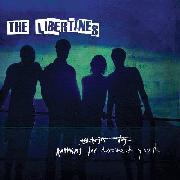
Review Summary: For Tomorrow: A Guide to Contemporary British Music, 1988-2013 (Part 64)
The English have a love/hate relationship with The Strokes’
Is This It.
On one hand, they love it. It’s everything English music aspires to. Cool, effortless, danceable, commercially appealing, leather clad, and young. The songs are short, swearing is restrained, and it contains a deceptive melodic appeal underneath easy grooves.
On the other hand, they hate it because they didn’t make it.
Yes, pity the poor NME editors that had to see an American album sit atop the British newsstand regular end of the decade list.
Is This It’s garage rock tactics were always more enthusiastically received by the UK than the USA and its arrival upon their shores triggered a “Return to Rock!” hoo-rah that was custom built (by hype rags like the NME) to fly in the face of obnoxious, overproduced American rock music. So with
Is This It a firmly American creation and in 2002 along came The Libertines with their answer (and the NME’s second best album of the decade)
Up the Bracket.
Fronted by the notorious Pete Dohrety, The Libertines had the effortless cool that The Strokes had but
Up the Bracket differs from
Is This It in very distinct ways that make the two more complementary than simple parallels. Where
Is This It was all tight hooks, clearly telegraphed melodies, and rigid song structure,
Up the Bracket speeds through its 12 tracks with a rehearsal room energy. Doherty sounds like he’s making up the album’s melodies on the spot while Carl Barât and John Hassal machine gun their way through their guitar and bass parts respectively. The whole thing would probably be a total mess if it wasn’t for the band’s anchor, drummer Gary Powell. Where the rest of the band is loose, Powell maintains a rigid beat played with military precision, matching the rest of the group in speed but keeping them in line with the never wavering accuracy of his playing.
So in the great 2002 cool standings, The Libertines had a distinct edge on The Strokes in that they were genuinely unpredictable. The Strokes were the expensive haircuts and designer leather jackets swaggering out of NYU, The Libertines were the ruffians waiting in the alley to snatch those jackets and show up later at their favorite bar later wearing them.
Up the Bracket’s jittery swing has more in common with ska than the mannered 60’s rock of their counterparts. Opener “Vertigo” comes stumbling forward on a rickety guitar part and dry handclaps but quickly tightens up to reveal the band’s wealth of talents and ideas. Throughout
Up the Bracket these guys just sound so excited to be heard. Doherty has an incredible knack for writing great melodies and hooks while making the whole affair sound utterly effortless. Tracks like “Death on the Stairs” and the band’s eternal anthem “Time for Heroes” are bursting with fantastic melodic turns and hooks without ever making a big deal about them. The latter even cuts a few nerves lyrically, hitting upon the sly observation about “stylish kids in the riot” before leaving it alone for a yelped proclamation of love. They’re there to be discovered, not flaunted. And when the band makes a sudden, sharp turn into delicate balladry on “Radio America”? It fits them very naturally, revealing their core strengths lie in melody, not surface level aesthetics.
It takes a whole lot of raw talent to make something as secretly masterful as this. The Libertines play every song on
Up the Bracket like they don’t know the microphones are on. It sounds like it was all done with no rehearsal, but it probably took a lot of rehearsal to make it sound that way. This constant contrast, of careful craft hidden behind ameture antics, means
Up the Bracket survives The Libertine’s ascendance to NME darlings and fiery breakup (and inevitable reunion) to retain the jolting amounts of fun it exudes. Time hasn’t stripped the polish off of
Up the Bracket because there wasn’t much there to begin with.
Up the Bracket sounds like a group of guys having a great time making music and everything else that followed was just a lucky accident.